


Publications
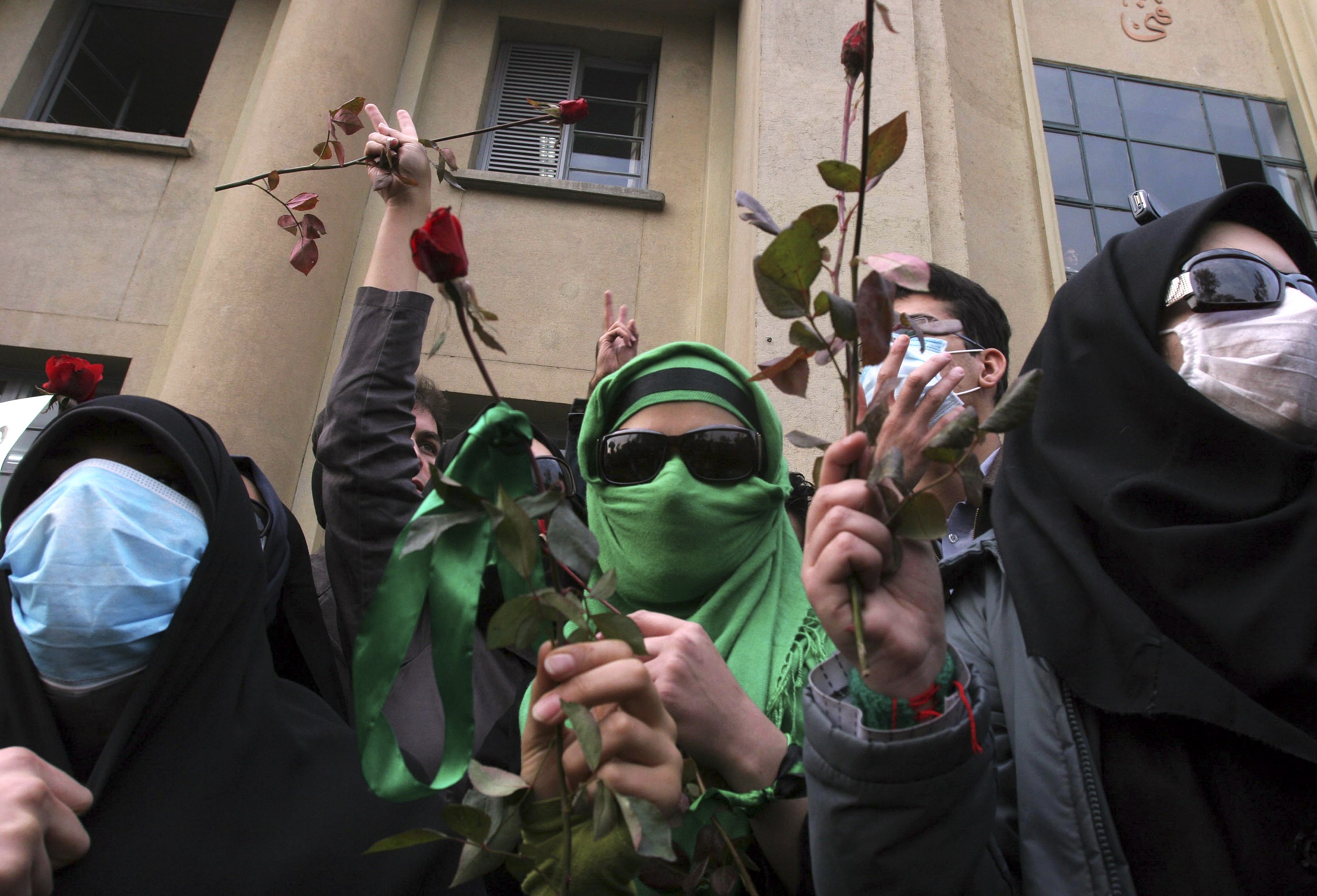
After hardline candidate Ebrahim Raisi won the presidential elections in Iran, the dispute among Iranian reformists has sharpened. Some contend that “the bloc for change” must shift its approach and promote a strategy that will return the voters to the polls. Others argue that any political effort is destined for failure, as the hardline establishment will undoubtedly be victorious. Is Iran’s political reform movement on its deathbed?
INSS Insight No.1501, July 26, 2021
Follow us on GoogleThe victory of Ebrahim Raisi in Iran’s presidential elections has reawakened the internal debate among Iranian reformists concerning the state and future of the reform movement. A number of leading reformists are blaming the movement’s failure on mistaken strategy, and are calling for change, return to the movement’s fundamental principles, and restoration of its base of public support. On the other hand, others are blaming the failure on circumstances beyond the reformists’ control, and continue to support a strategy based on participation in elections and willingness to work with pragmatic conservatives. It is very doubtful, however, whether the reformists will be able to take advantage of the renewed takeover by the hardliners and chart a way out of the impasse that they have reached, given the ongoing political repression and the loss of public confidence in the two main political camps. The lack of an attractive alternative to conservative hegemony, combined with the continued failure of the authorities to provide solutions popular grievances, is liable to further erode public confidence in the political system, strengthen the radical movements advocating revolutionary change, and jeopardize the regime’s long-term stability.
The victory of Ebrahim Raisi in Iran’s presidential elections in June 2021 has reawakened the internal debate among reformists in the country about the state and the future of the reform movement, and the chances of making progress toward political, civil, and social reform, however limited. Although Raisi's victory was expected, the disqualification of most of the candidates, including former Majlis (Iranian parliament) Speaker Ali Larijani, and Eshaq Jahangiri, President Rouhani's first deputy, by the Guardian Council provided additional proof of the regime's determination to ensure hardline hegemony in all state institutions, and suppress any alternative political power base. Furthermore, the resounding defeat of the former Governor of the Iranian Central Bank, Abdolnaser Hemmati, who was supported by some of the reformists and finished the elections in only third place, with less than 10 percent of the vote, indicated their failure to recruit public support for a candidate believed to be the "least of all evils."
Shortly after the end of the election campaign, different approaches were sounded among the reformists about the state of the reform movement. The responses to the election results reflected profound internal disagreement about the reasons for the failure and the political strategy that should now be adopted. A number of key reformists have blamed the movement's failure on the unsuccessful policy of its leaders themselves. They hold that the reformers should institute processes of change in the movement, return to the movement's fundamental principles, and restore its base of public support. In contrast, others portray the reformists as victims of political, economic, and international circumstances beyond their control, and argue that the political strategy followed in the recent election campaigns, based on active participation in the elections and willingness to work with pragmatic conservatives, was correct.
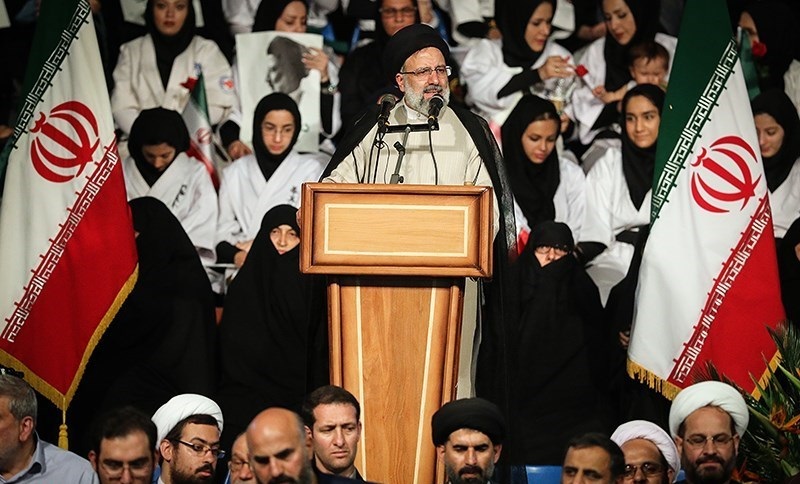
Saeed Hajjarian, one of the leading thinkers in the reform movement, was among the first to respond to the election results. A few days after Raisi's victory, Hajjarian announced, "Reformism through the ballot box is dead." He continued, on his Twitter account, "But before we bury it, we must perform an autopsy and find the cause of death. Did it die of old age, or are there fingerprints of a murderer or murderers?" Hajjarian, who expressed opposition in recent years to reformists participating in the elections, thus contended that in the absence of free elections, reformists should shift the focus of their activity from the political sphere to the public and civil struggle.
A similar opinion was advocated by the spokeswoman of the Reformist Front Azar Mansouri, who before the presidential elections denied any possibility of active participation in the elections. Mansouri severely criticized the attitude of reformists willing to support any candidate whatsoever under any conditions, accusing them of deviating from the basic principles of the reform movement, and of responsibility for the loss of public support. She added that if the reformists want to restore their public standing, especially in advance of the parliamentary elections scheduled for two years from now, they must renew their connection with the general public and the various social groups.
Hossein Marashi, speaker of the Executives of Construction Party, which is identified with the centrist faction of the reform movement, took a different tack. He denounced Hajjarian's stance, and defended his party's decision to participate in the elections by supporting Hemmati. He argued that participating in the elections was the sole possible strategy for the reformists, and that supporting public protests, which jeopardize Iran's security and stability, is not a good option. He stated that he saw no particular problem in the reformists' defeat, because there are always winners and losers in the political game. He blamed their failure in the parliamentary elections in February 2020 and in the recent presidential elections on the flawed policy of President Rouhani, and on the maximum pressure policy of former United States President Donald Trump, which caused a deep economic crisis and aggravated public dissatisfaction in Iran.
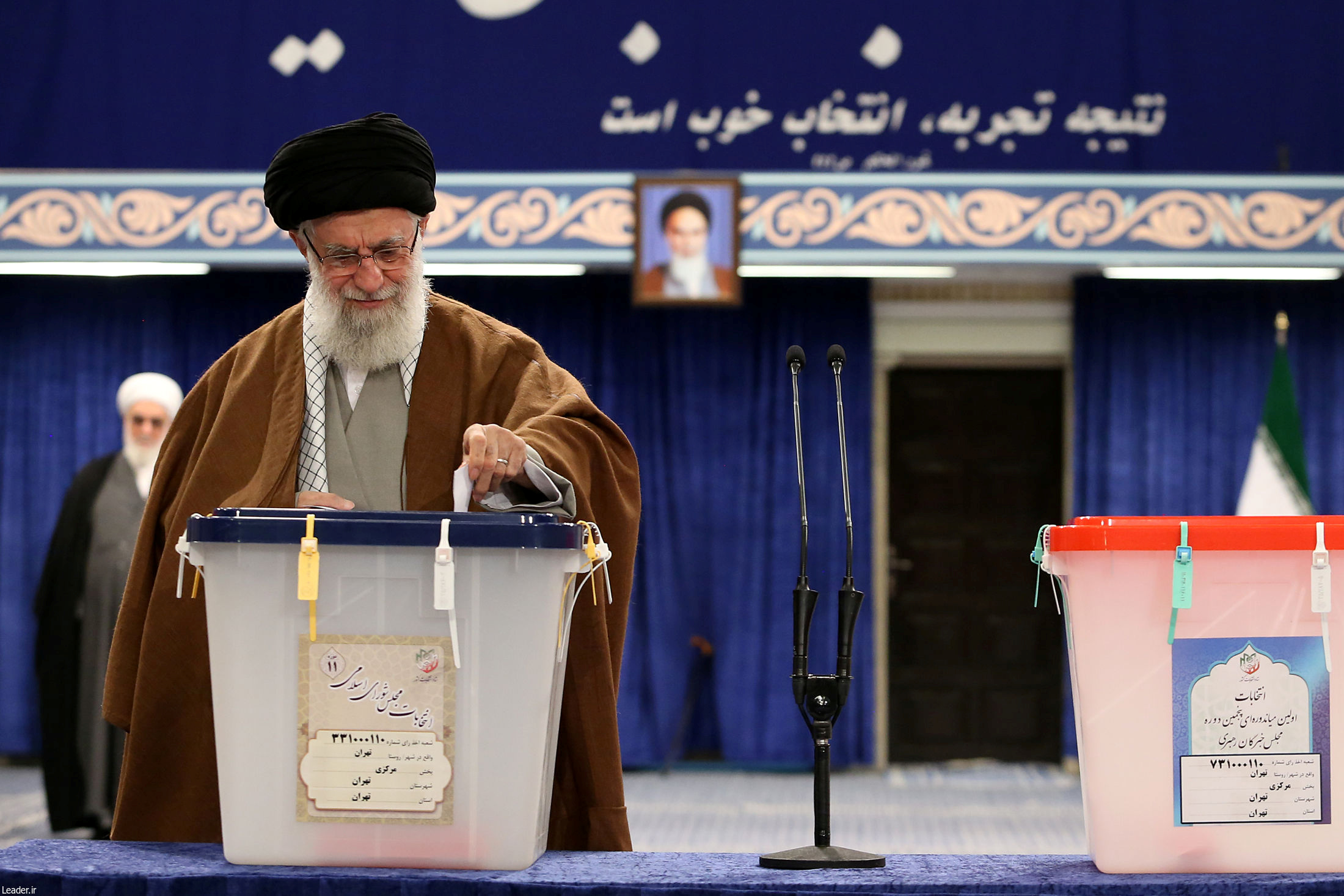
Mohammad Ali Abtahi, chief of staff for former Iranian President Mohammad Khatami, also stated in an interview that the election results should not be viewed as a failure of the reformists. He asserted that reformists who failed to fulfill their principles because of the restrictions and pressure imposed on them should be distinguished from the reformist thought, which a majority of the public still supports. He said that people in Iran were well aware of the risks for the stability and territorial integrity of their country incurred by the extremist position advocating the overthrow of the regime, and therefore continue to support the reformists advocating peaceful and gradual change.
One of the most prominent calls for stocktaking among reformists came from Faezeh Hashemi, daughter of late Iranian President Akbar Hashemi Rafsanjani. Hashemi, who in recent years has become one of the regime’s severest critics, said in an interview with reformist daily Arman-e Melli that the reformists should get the message that most Iranians delivered by not participating in the elections – i.e., their rejection of the regime's current policy on internal and external issues. She said that despite the reformists' repeated failures, many of them refuse to recognize their mistakes and continue to blame their situation on the hardliners. She emphasized that the reformists must realize that the main goal is the implementation of reforms, not political survival.
The debate underway in the reform camp since the elections constitutes a direct continuation of the ongoing debate with regard to its future course, following its failure to make any progress in even limited civil reforms. The prolonged political repression since the outbreak of unrest following the 2009 presidential elections (the "Green Revolution") posed a dilemma to the reformists on the question of their participation in elections. In the 2013 presidential elections, they decided to support Rouhani, despite his identification with the conservative establishment, in recognition of the limits of their power and their preference for a coalition with pragmatic conservative candidate over a boycott of the elections, which was liable to result in the election of a hardline or populist president like Mahmoud Ahmadinejad. They adopted a similar strategy in the 2016 parliamentary elections by uniting in a coalition of President Rouhani's supporters. The reformists thereby signaled their acceptance of the need to settle – at least in the short term – for an improvement in the economic situation, greater openness to the West, and a gradual and limited reduction in interference by the government in people's daily lives.
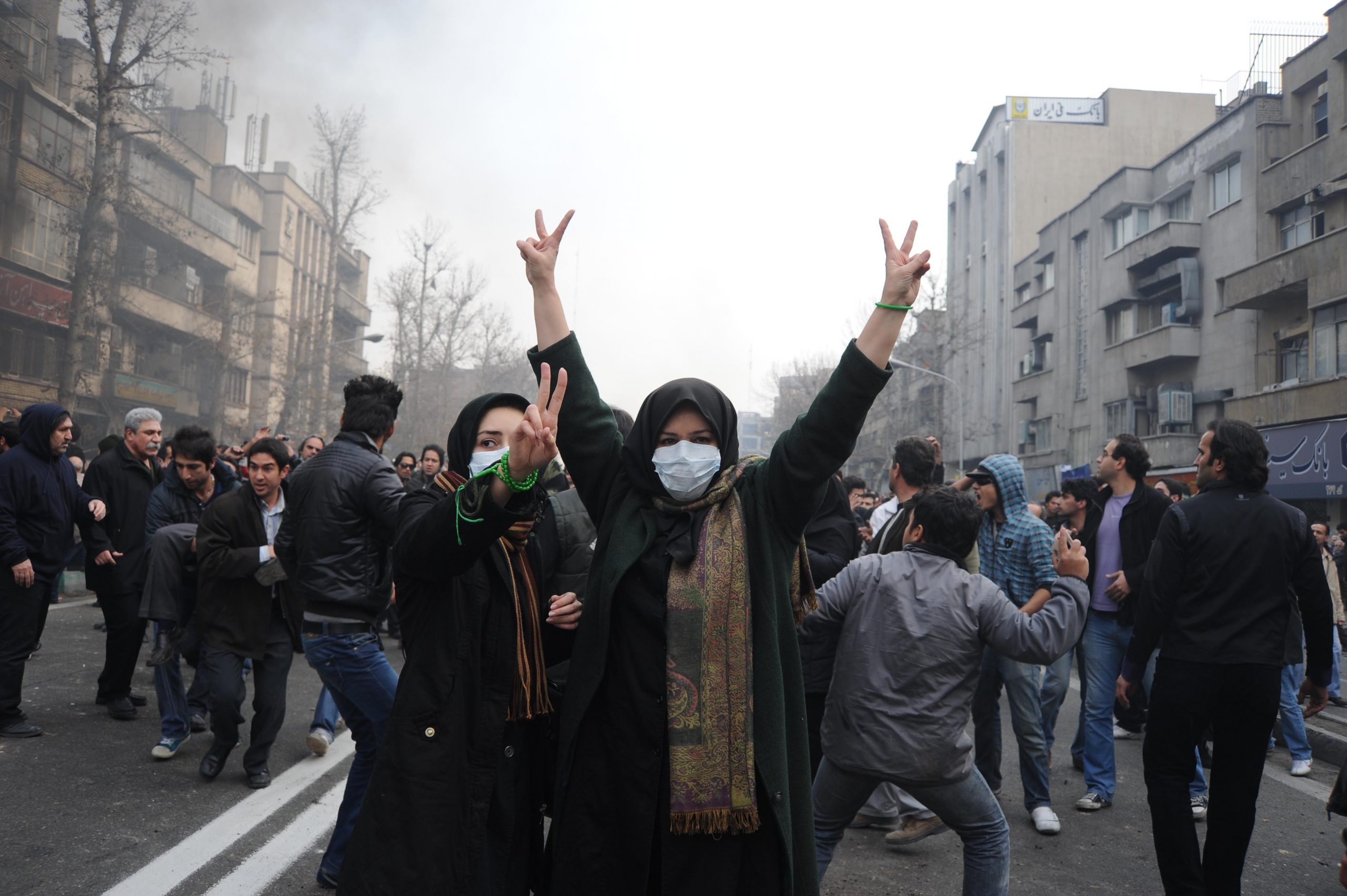
In view of the disappointment with President Rouhani's failure to fulfill his campaign promises, and the waves of protest that began in Iran starting in late 2017, the profound debate among the reformists about the movement's future was renewed. Indeed, despair increased among the reformists in the recent election campaign. In an article published in the reformist newspaper Shargh in September 2020, political commentator and regime critic Sadegh Zibakalam compared the reformers to a patient in need of a respirator in order to stay alive until the elections, and predicted that even a miracle could not prevent their defeat, because they had lost their public support.
The internal debate also bespeaks growing fear on the part of all factions of the Iranian establishment of the increasing influence of radical and subversive elements challenging the regime's very existence by means of a violent struggle. This discourse reflects a broad consensus about the need for change in the reform movement, and for sharpening its messages in a way that will enable it to distinguish itself from both the hardliners and the advocates of regime change. At the same time, the reformists increasingly recognize that they must put greater emphasis on economic matters and on the need to promote social justice in order to attract broader public support, especially among the disadvantaged social layers.
Given past experience, it is very doubtful whether the reformists will be able to take advantage of Raisi's victory in the elections and the renewed takeover by the hardliners, and chart a way out of the impasse that they have reached, given the ongoing political repression and the loss of public confidence in the two main political camps. At this stage, it appears that the regime is successfully maintaining enough power to enable it to survive the challenges before it, and to suppress the potential threat to its stability. At the same time, the absence of an attractive alternative to the hardline hegemony, combined with the regime's ongoing failure to provide a solution to the people's distress, is likely to erode public trust in the political system, accelerate extremist trends, and over time jeopardize the stability of the regime.