


Publications
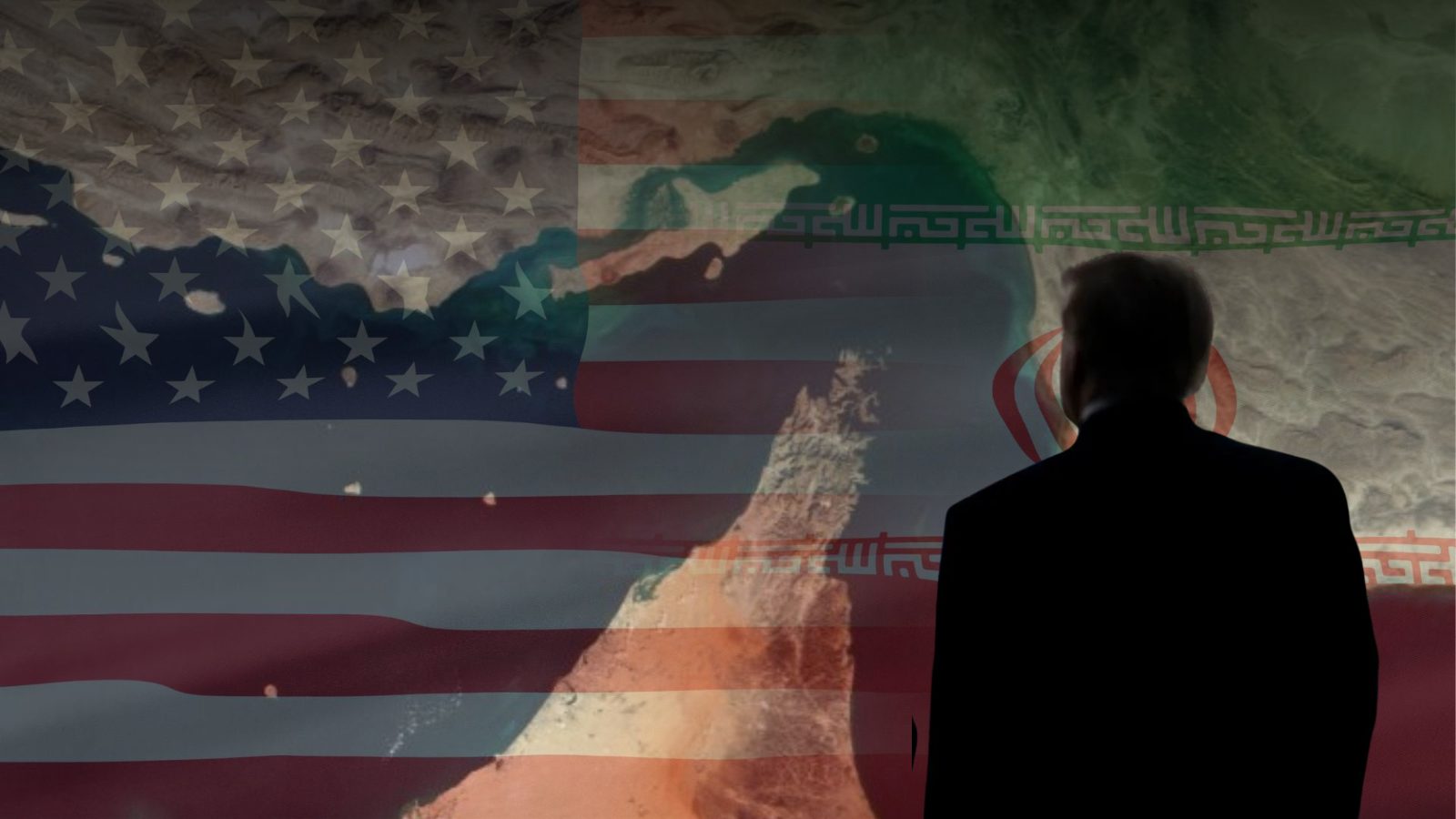
Escalation in the Gulf: What is the current state of the intensifying conflict between Iran and the United States, what is driving Trump’s strategy, and how should Israel act as long as it remains outside the conflict?
INSS Insight No. 2175, July 26, 2026
Follow us on GoogleThe confrontation between the United States and Iran surrounding the Strait of Hormuz has entered a more dangerous phase than before. The American move, which initially focused on targeting maritime and military infrastructure in the area of Bandar Abbas and applying concentrated pressure on Tehran, has expanded following the Iranian response against vessels, U.S. military bases, and the Gulf states. Washington seeks to combine cumulative military pressure with maintaining an open diplomatic channel; to deny Iran the ability to turn Hormuz into a permanent leverage for extortion; to restore deterrence; and to return Iran to negotiations from a weakened position. However, President Trump has no good options. Limited pressure has thus far failed to lead to Iranian concessions, while expanding the campaign could draw the United States into a prolonged conflict. Conversely, a rapid agreement might focus solely on the Strait of Hormuz and the cessation of attacks on American targets while once again deferring any resolution of the nuclear issue. From Jerusalem’s perspective, the continuation of U.S. pressure without an agreement serves Israeli interests at this stage, as it erodes Iranian capabilities and strengthens bargaining leverage over Tehran. Nevertheless, Israel should not rush to expand its military involvement. It must first reach an explicit understanding with Washington regarding the campaign’s objectives and end state, ensuring that hostilities are not ended without a credible military or diplomatic response to the nuclear program. Otherwise, Israel could find itself joining the campaign, bearing its costs, and discovering that Trump has brought it to a halt after securing a limited agreement regarding Hormuz.
The Current Situation
The escalation in the confrontation between the United States and Iran is clearly evident on the ground. Following Iranian attacks against vessels in the Strait of Hormuz, Washington returned to striking inside Iran, revoked sanctions relief related to oil exports, and resumed enforcement measures against Iranian ports. Initially, the campaign focused on coastal defense systems, command facilities, missile and drone sites, and maritime surveillance infrastructure in the Bandar Abbas region and Qeshm Island. According to U.S. Central Command (CENTCOM), the goal was to strike capabilities threatening commercial shipping in the Strait.
Iran responded by widening the scope of attacks and threats. It continued targeting vessels, launched missiles and drones toward U.S. targets, and threatened bases, energy infrastructure, and the Gulf states. By doing so, Tehran sought to make clear that the strikes in Bandar Abbas were not a localized operation that could be contained, but rather an attempt to deprive Iran of the most important strategic asset remaining in its hands.
The Iranian response forced Washington to expand its operations. Even before the Iranian strike in Jordan which resulted in U.S. casualties, the administration had increased the scope and depth of its strikes and begun deploying additional fighter aircraft and aerial refueling tankers to the region. The goal of this reinforcement was not only to continue striking infrastructure linked to Hormuz, but also to provide the president with a broader range of military options should Iran continue to escalate. Thus, the attack in Jordan did not trigger the escalation, but it rendered a significant American response all but inevitable, underscoring the need to punish Iran and restore deterrence.
At the same time, Iran acted to broaden the pressure zone beyond the Gulf. According to media reports, Tehran instructed the Houthis to prepare to target shipping in Bab al-Mandab should the United States strike Iran's electrical infrastructure. The Houthis positioned missiles and drones near shipping lanes in the Red Sea and subsequently declared a naval blockade against Saudi Arabia following a Saudi airstrike on the Sanaa airport—an operation approved by Washington. In response, the Houthis launched an attack against Abha International Airport, a major transportation hub in the Asir province of southern Saudi Arabia, near the Yemeni border. The significance of this move is a dual threat against the region's two primary energy arteries, Hormuz and the southern entrance to the Red Sea, expanding the risk to states and markets beyond the immediate theater of conflict.
These developments unfolded against the backdrop of the collapse of the Memorandum of Understanding (MoU) between Iran and the United States, signed on June 17. The MoU was intended to reopen the Strait to shipping without transit fees and to establish a 60-day negotiation period during which the parties were expected to discuss a permanent agreement. However, ambiguity regarding the management of the Strait, the implementation of commitments, and the regional context allowed each side to interpret the agreement differently. Washington viewed it as a temporary lull that would enable a transition to a broader agreement; Tehran regarded it as the basis for negotiations over its role in governing the Strait and the future maritime order.
As a result, the dispute is not merely about freedom of navigation. It touches upon the question of who sets the rules in the Strait of Hormuz: whether the Strait will return to being an open international waterway without conditions, as the United States demands, or whether Iran will gain recognized standing in managing traffic and even collect transit fees. Tehran has already established the Persian Gulf Straits Authority (PGSA) as part of its attempt to transform its military control into a permanent institutional framework.
The American Strategic Logic
Current U.S. policy relies on the following central pillars:
- Rejecting an Iranian-led maritime order: The immediate objective is to prevent Tehran from turning the Strait of Hormuz into a permanent mechanism for extortion. Washington seeks to restore the principle of free and secure transit and to reject any settlement that would grant Iran unilateral authority over the Strait. This is an attempt to alter the status quo created during the war, in which Iran demonstrated its ability to dramatically reduce maritime traffic and raise the cost of conflict for the United States and its partners.
- Protecting U.S. forces and partners and restoring deterrence: American operations no longer focus solely on protecting vessels. The expansion of Iranian strikes to include U.S. bases and Gulf states, particularly the deadly strike in Jordan, requires the administration to demonstrate that attacks on Americans will exact a heavy price. Without a significant response, Tehran may conclude that American fears of a broader war enable it to expand its attacks and force a U.S. withdrawal. The American escalation is therefore also intended to restore deterrence and U.S. credibility vis-à-vis forces on the ground, Gulf states, and the American public.
- Coercion through cumulative pressure: The administration does not necessarily expect a single strike to bring about a change in Iranian behavior. The underlying logic is to create cumulative pressure: eroding military infrastructure, impairing the ability to employ missiles and drones, restricting oil exports, enforcing the blockade, and raising the cost of every additional attack. Through this combination, the administration seeks to present Tehran with a choice: continue the conflict under increasingly harsh conditions, or agree to return to negotiations with some of its leverage compromised. In this sense, military force is not viewed as an end in itself, but as a means to improve the terms of the next deal.
- Maintaining an open diplomatic track: Despite the expansion of strikes, Trump’s stated preference remains reaching an agreement. Even after the collapse of the ceasefire, the United States and Iran continued to exchange messages via Oman, Qatar, and Pakistan, with discussions focusing on free and safe passage through the Strait of Hormuz. As of July 21, mediators proposed an additional ten-day ceasefire in an attempt to revive the Memorandum of Understanding.
It appears that the president's preferred model is therefore the application of force, the creation of pressure, and reaching an agreement that he can present as a victory. He is not interested, at least at this stage, in a war aimed at conquering Iran or bringing about regime change through American military force.
- Avoiding a Prolonged Military Commitment: Trump seeks to maintain broad freedom of action without committing to a ground campaign or a long-term presence. This preference aligns with his view that the United States should leverage its military superiority to achieve a swift political outcome, while avoiding wars of attrition and costly nation-building projects.
This gives rise to the central contradiction in the strategy: Washington seeks to force a significant shift in Iran’s behavior, but is not necessarily willing to pay the price required if pressure from the air and sea proves insufficient.
Why Is the American Strategy Struggling to Achieve Its Objectives?
The central difficulty stems from the gap in strategic value that each side attributes to the Strait of Hormuz. For the United States, the Strait is an important interest tied to freedom of navigation, regional credibility, and the stability of energy prices. For Iran, it is one of the last remaining leverage assets enabling it to compensate for its military weakness, the damage to its proxy network, and the decisive American advantage in conventional warfare.
An Iranian concession regarding its status in the Strait would be perceived in Tehran as the loss of its primary strategic achievement in the war. Therefore, raising the price does not necessarily lead to compromise. It may reinforce the Iranian leadership’s assessment that it must escalate in order to prove that the United States is incapable of guaranteeing freedom of navigation or regional stability.
Iran also seeks to expand the scope of the conflict. Rather than dealing solely with American strikes in the coastal region, it is threatening U.S. bases, energy infrastructure, and additional shipping routes. Its goal is to disperse the American effort, increase the number of states concerned about a continued campaign, and generate pressure on Washington from its regional partners.
At the same time, the Gulf states themselves face a dilemma. They require American protection and the opening of the Strait of Hormuz, but they do not want the bases, ports, desalination plants, and energy infrastructure on their territory to become targets. From their perspective, a demonstration of American dominance is no substitute for stability. As the campaign expands, they are likely to step up mediation efforts and press Trump to settle for a partial arrangement.
Furthermore, if the Houthis carry out their threats and significantly disrupt shipping in the Red Sea and Bab al-Mandab, or expand their attacks on infrastructure in Saudi Arabia, the conflict may draw additional regional actors more deeply into the conflict. Such a development would particularly intensify Pakistan's dilemma, since it serves as a key mediator in the crisis while simultaneously bound to Riyadh by a mutual defense agreement, under which it maintains forces and military capabilities on Saudi soil. If Saudi Arabia expands its military operations and requests Pakistani assistance, Islamabad will find it difficult to continue presenting itself as a neutral and credible mediator. While this would not necessarily bring its mediation efforts to an end, it would narrow its maneuvering space and heighten the tension between its commitment to Saudi security and its desire to avoid a direct confrontation with Iran.
The economic dimension also works against American freedom of action. Decreased shipping traffic through the Strait of Hormuz, concerns over disruptions in Bab al-Mandab, and rising energy prices are creating domestic political pressure, particularly ahead of the midterm elections. As of the week ending July 17, inventory in the U.S. Strategic Petroleum Reserve (SPR) fell to approximately 311 million barrels—the lowest level since at least 1983. The decline is a result of the extensive release of inventory during the campaign, as part of a U.S. and international program aimed at reducing the impact of supply disruptions on energy prices. The release of these reserves, alongside increased U.S. oil production, declining Chinese demand, and the expanded use of alternative export routes, helped prevent a prolonged oil price spike beyond the peak of roughly $126 per barrel. However, the depletion of reserves progressively restricts the administration's room for maneuver in the event of a prolonged campaign or further escalation in shipping disruptions. Consequently, the more the American public feels the effects of the war through higher fuel prices and inflation, the wider the gap will grow between the desire to project resolve and the need to reach an agreement.
American Dilemmas
In its decision-making process, the American administration faces the following dilemmas:
- Between a deterrent response and uncontrollable escalation: Following the attack on American soldiers in Jordan, refraining from a broad response is not a viable option for the administration. However, any expansion of target sets increases the likelihood of further Iranian retaliation. Striking electrical infrastructure, energy facilities, or highly sensitive sites could lead to broader damage in the Gulf states and the realization of the threat against Bab al-Mandab. The administration is therefore required to apply enough force to restore deterrence, but not to the extent that it turns the campaign into a regional war with no clear exit strategy.
- Between coercion and negotiation: The American strategy assumes that military pressure will improve the chances of reaching an agreement. However, the more this pressure is perceived in Tehran as an attempt to deprive it of its primary strategic asset, or as a threat to regime survival, the more it may actually harden its stance and narrow the room for compromise. Force is supposed to bring Iran back to the negotiating table, but using it too broadly could convince Tehran that negotiations are merely another stage in the effort to weaken it.
- Between the Strait of Hormuz and the nuclear program: The current crisis focuses American attention on freedom of navigation, force protection, and energy prices. The nuclear program, defined at the outset of the war as a central objective, has been pushed to a secondary priority at this stage. The danger is that Trump may agree to a settlement that opens the Strait of Hormuz and ends attacks on Americans, but postpones addressing Iran's stockpile of enriched uranium, the restoration of its nuclear facilities, and Iran’s nuclear breakout capability. Tactical success in the maritime crisis could therefore come at the expense of the long-term strategic challenge.
- Between American freedom of action and partnership needs: Washington seeks to demonstrate that it dictates the pace of the campaign, yet it relies on regional states for bases, air defense, intelligence, and logistics. The more directly Iran threatens these partners, the more protection they demand, while simultaneously becoming less willing to support an expansion of the war. Saudi Arabia and the Gulf states might support measures that ensure freedom of navigation, but oppose a campaign aimed at conquering islands, causing extensive damage to civilian infrastructure, or bringing about regime change. This gap narrows the practical options available to the United States.
- Between a quick achievement and a stable settlement: Trump needs an achievement that can be explained to the public: reopening the Strait, lowering oil prices, and ending attacks on Americans. However, an agreement reached too quickly risks leaving the root causes of the crisis unaddressed and granting Iran a significant role in managing the Strait of Hormuz. The dilemma is whether to settle for a ceasefire that produces immediate calm, or to insist on a more comprehensive arrangement at the cost of prolonging the war and risking escalation. At the same time, the importance of the aforementioned oil reserves was reflected in President Trump’s remarks during the G7 summit, where he claimed that the United States has only about four weeks' worth of oil left in its strategic reserves.
U.S. Courses of Action
In light of the above, the following are the options facing the administration:
1) Continuation of Pressure and Strikes in the Current Format
The United States can continue daily strikes inside Iran targeting command networks, coastal defense, missiles, drones, and surveillance facilities, alongside sanctions and blockade enforcement. The advantage of this option is that it maintains military pressure without requiring a decision on a ground campaign or seizing territory. It also allows Trump to calibrate the intensity of the strikes in response to the Iranian reaction and leave the door open for negotiations. Its disadvantage is that experience to date does not indicate that Iran is prepared to concede. The continued exchange of strikes could develop into a war of attrition in which both sides pay a price, but the strategic reality remains unchanged.
2) Expansion of Enforcement and Maritime Escorts
A second option is to expand efforts under Project Freedom and provide permanent escorts for ships, increase maritime and air presence, and act systematically against any Iranian means threatening shipping. Such a move could reduce Iran's ability to enforce transit rules and gradually restore the confidence of shipping companies. It would also clarify that the United States does not recognize the authority of the PGSA or Iranian fee collection. However, escorting ships over time will require significant resources and will not necessarily prevent attacks using missiles, drones, mines, and small craft. Iran might respond by expanding strikes against bases and infrastructure of the Gulf states or by activating the Houthis in the Red Sea. Thus, a move designed to resolve the Hormuz crisis could expand it into another regional arena.
3) Transition to a Broad Offensive Campaign
A third option is to significantly expand the target list: striking energy, electrical, and transportation infrastructure, deepening attacks against Bandar Abbas and the islands controlling the Strait, and even considering the temporary seizure of strategic assets. Such a move could severely damage Iranian capabilities and demonstrate that its attempt to control Hormuz threatens its vital assets. It could also provide Washington with new bargaining chips.
However, the price is likely to be high. Action against strategic islands or facilities could require a ground component, expose American forces to significant casualties, and necessitate a prolonged presence. In addition, it is likely to trigger widespread Iranian strikes against civilian infrastructure in the Gulf. Without a defined diplomatic goal, such an expansion risks intensifying the war without guaranteeing a better outcome.
4) A Ceasefire and a Revised Settlement
The fourth option, likely preferred by Trump, is to reach a new ceasefire that would ensure free and secure transit, the cessation of attacks against American forces, and an agreed-upon mechanism for oversight and incident management in the Strait. Such a settlement could halt the deterioration, reduce energy prices, and provide the administration with a political achievement. It would also allow a return to discussions on a broader agreement.
The difficulty lies in bridging the fundamental gap: the United States demands free transit without conditions, whereas Iran seeks recognition of its role in managing the Strait. Another ambiguous agreement might merely postpone the next crisis. Furthermore, a settlement focusing solely on Hormuz could leave the nuclear program, missile development, and regional activity unaddressed.
Implications for Israel
The current situation, in which the United States continues to exert military pressure on Iran but has not yet reached an agreement, serves Israeli interests at this stage. The fighting is eroding Iranian capabilities and strengthening the leverage over Tehran, without requiring Israel to bear the costs of the escalation directly. However, the value of this situation for Israel depends on the campaign not ending with a limited settlement that focuses on the Strait of Hormuz and the cessation of attacks on American forces, without addressing the nuclear issue.
Therefore, Israel should refrain from expanding its military involvement as long as an explicit agreement has not been reached with Washington regarding the campaign’s objectives, its end state, and the conditions under which fighting will cease. Israeli involvement might deepen the damage inflicted on Iran, but it does not guarantee that Trump will continue the campaign until a resolution to the nuclear issue is achieved. There is a risk that Israel will enter the conflict and bear its costs, only for the administration to halt its operations following a partial agreement regarding Hormuz.
Any expansion of Israeli involvement must be contingent on an American commitment that the campaign will not end without a credible military or diplomatic solution to the nuclear issue. Such a solution must address Iran's stockpile of enriched uranium, establish an effective monitoring mechanism, and prevent the restoration of its nuclear infrastructure. While it is not necessary to resolve all of these issues in a single agreement, a maritime settlement must not become a substitute for addressing the nuclear threat.
Israel's primary task is to utilize the current phase to influence Washington’s objectives, rather than rushing to join the campaign before there is a clear understanding of what constitutes a sufficient achievement and what conditions will guarantee that the fighting is not brought to a halt before the nuclear threat has been addressed.
Conclusion
The American strategy seeks to use military superiority to deprive Iran of its achievements in the Strait of Hormuz and bring it back to the negotiating table. However, the value Tehran places on its control of the Strait, its ability to expand the campaign, and the casualties inflicted on American forces reduce the chances that limited pressure will succeed.
President Trump effectively has no good options. Continued strikes risk turning into a war of attrition; a significant expansion could draw the United States into a campaign it does not want; and a rapid settlement might grant Iran some of the achievements it seeks to institutionalize. Consequently, at a stage where neither side is willing to back down, the likely direction in the near term is a further escalation of the conflict.
Nevertheless, Trump’s fundamental inclination remains reaching a deal rather than waging war to a decisive outcome. If a diplomatic opening emerges that allows him to present the resumption of shipping and the cessation of attacks on Americans as a victory, he may quickly transition from escalation to settlement. The challenge for the United States is to ensure that the next agreement is not merely another lull in the fighting, but rather a framework that prevents Iran from continuing to determine the rules of the game, while also addressing the issues sidelined during the Hormuz crisis, foremost among them the nuclear program.
For Israel, the task is not to push the administration into a broader war, but to influence its objectives and end conditions. It must be prepared both for a further escalation and a rapid pivot by Trump toward an agreement, while ensuring that, in either scenario, the nuclear threat and its strategic interests are not pushed to the margins.