


Natural Gas in the Eastern Mediterranean: Economic Impacts and Strategic Implications | INSS
go to header go to content go to footer go to search
INSS logo The Institute for National Security Studies, Strategic, Innovative, Policy-Oriented Research, go to the home page
INSS
Tel Aviv University logo - beyond an external website, opens on a new page
  • Campus
  • Contact
  • עברית
  • Support Us
  • Research
    • Topics
      • Israel and the Global Powers
        • Israel-United States Relations
        • Glazer Israel-China Policy Center
        • Russia
        • Europe
        • Antisemitism and Delegitimization
      • Iran and the Shi'ite Axis
        • The Campaign Against Iran and the Shiite Axis
        • Iran
        • Lebanon and Hezbollah
        • Syria
        • Yemen and the Houthi Movement
        • Iraq and the Iraqi Shiite Militias
      • Conflict to Agreements
        • Israeli-Palestinian Relations
        • Hamas and the Gaza Strip
        • Peace Agreements and Normalization in the Middle East
        • Saudi Arabia and the Gulf States
        • Turkey
        • Egypt
        • Jordan
      • Israel’s National Security Policy
        • Military and Strategic Affairs
        • Israel's Security Strategy
        • Societal Resilience and the Israeli Society
        • Jewish-Arab Relations in Israel
        • Climate, Infrastructure and Energy
        • Terrorism and Low Intensity Conflict
      • Cross-Arena Research
        • Data Analytics Center
        • Law and National Security
        • Advanced Technologies and National Security
        • Foreign Information Manipulation and Interference
        • Economics and National Security
    • Projects
      • Preventing the Slide into a One-State Reality
      • India-Middle East-Europe Economic Corridor (IMEC)
  • Publications
    • -
      • All Publications
      • INSS Insight
      • Policy Research and Papers
      • Special Publication
      • Strategic Assessment
      • Technology Platform
      • Memoranda
      • Posts
      • Books
      • Archive
  • Database
    • Surveys
    • Spotlight
    • Maps
    • Dashboards
  • Events
  • Team
  • About
    • Vision and Mission
    • History
    • Research Disciplines
    • Chairman of the Board
    • Board of Directors
    • Fellowship and Prizes
    • Annual Reports
    • Internships
  • Media
    • Communications
    • Video gallery
    • Press Releases
  • Podcast
  • Newsletter
  • Campus
Search in site
  • Research
    • Topics
    • Israel and the Global Powers
    • Israel-United States Relations
    • Glazer Israel-China Policy Center
    • Russia
    • Europe
    • Antisemitism and Delegitimization
    • Iran and the Shi'ite Axis
    • The Campaign Against Iran and the Shiite Axis
    • Iran
    • Lebanon and Hezbollah
    • Syria
    • Yemen and the Houthi Movement
    • Iraq and the Iraqi Shiite Militias
    • Conflict to Agreements
    • Israeli-Palestinian Relations
    • Hamas and the Gaza Strip
    • Peace Agreements and Normalization in the Middle East
    • Saudi Arabia and the Gulf States
    • Turkey
    • Egypt
    • Jordan
    • Israel’s National Security Policy
    • Military and Strategic Affairs
    • Israel's Security Strategy
    • Societal Resilience and the Israeli Society
    • Jewish-Arab Relations in Israel
    • Climate, Infrastructure and Energy
    • Terrorism and Low Intensity Conflict
    • Cross-Arena Research
    • Data Analytics Center
    • Law and National Security
    • Advanced Technologies and National Security
    • Foreign Information Manipulation and Interference
    • Economics and National Security
    • Projects
    • Preventing the Slide into a One-State Reality
    • India-Middle East-Europe Economic Corridor (IMEC)
  • Publications
    • All Publications
    • INSS Insight
    • Policy Research and Papers
    • Special Publication
    • Strategic Assessment
    • Technology Platform
    • Memoranda
    • Posts
    • Books
    • Archive
  • Database
    • Surveys
    • Spotlight
    • Maps
    • Dashboards
  • Events
  • Team
  • About
    • Vision and Mission
    • History
    • Research Disciplines
    • Chairman of the Board
    • Board of Directors
    • Fellowship and Prizes
    • Internships
    • Annual Reports
    • Privacy Policy and Terms of Use
  • Media
    • Communications
    • Video gallery
    • Press Releases
  • Podcast
  • Newsletter
  • Campus
  • Contact
  • עברית
  • Support Us
bool(false)

Publications

Home Publications Memoranda Natural Gas in the Eastern Mediterranean: Economic Impacts and Strategic Implications

Natural Gas in the Eastern Mediterranean: Economic Impacts and Strategic Implications

Follow us on Google
Roby Nathanson
Hadar Weisman
Amit Loewenthal
Recent findings of natural gas in the Eastern Mediterranean, are expected not only to affect the energy market, but may also be considered a game-changer with geo-strategic, environmental and social implications. The Friedrich-Ebert-Stiftung, the Macro Center for political Economics and the INSS organized a conference in the framework of the Israeli-European Policy Network, on June 5-6, 2013 in Tel-Aviv. It included many international experts from the region and the EU and focused on the different implications of the natural gas findings.

This publication summarizes the main conclusions of this conference.

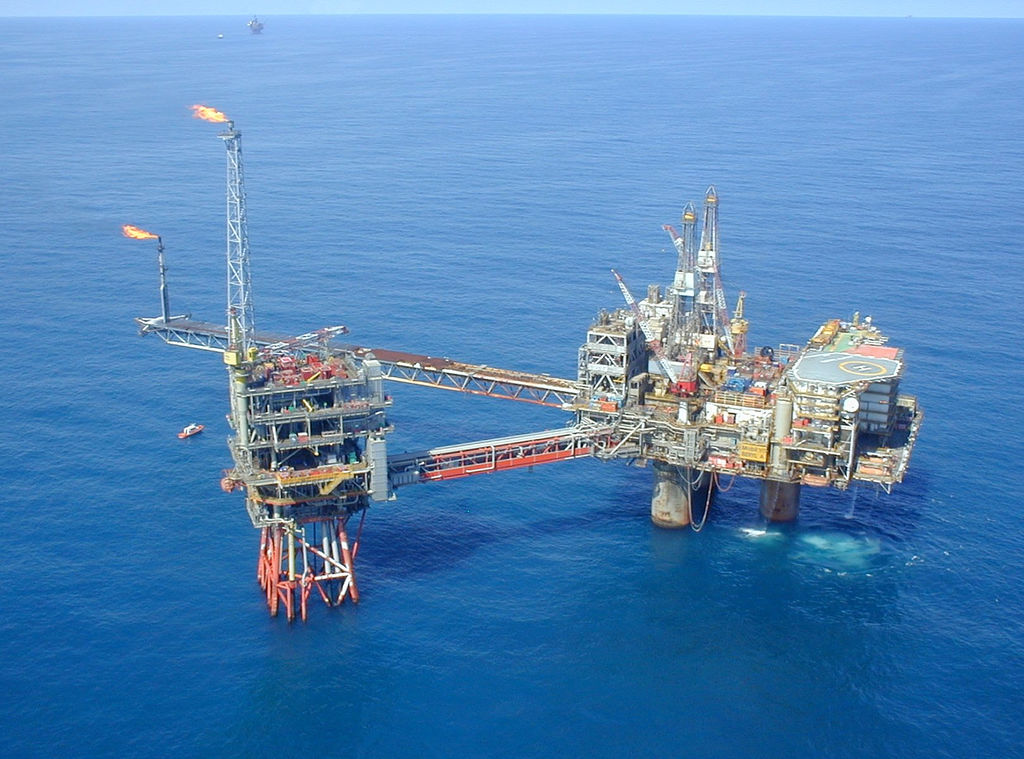
Countries that have, until now, been dependent on energy imports are thrust with the opportunity to develop massive gas fields, increase their energy security and even export natural gas to other regions due to the recent findings in the Eastern Mediterranean. The discoveries are expected not only to affect the energy market, but may also be considered a game-changer with geo-strategic, environmental and social implications.

Since natural gas is already showing signs of having dramatic impact on the region and public discourse, the Friedrich-Ebert-Stiftung, the Macro Center for political Economics and the Institute for National Security Studies organized a conference in the framework of the Israeli-European Policy Network. The conference, titled "Natural Gas in the Eastern Mediterranean: Economic Impacts and Strategic Implications" took place on June 5-6, 2013 in Tel-Aviv. It included many international experts from the region and the EU and focused on the different implications of the natural gas findings. This publication summarizes the main conclusions of this conference.

While horizontal drilling and hydraulic fracturing have been used for decades, recent refinements have made the production of natural gas from a number of shale and other geological formations less costly. As a result, exploration and production steadily increased in recent years, with explosive growth in specific regions. Since the 2008-2009 recession, the growth of natural gas production has been regarded by some as a highly positive development as it can increase employment and economic diversification while bringing lower energy prices to consumers. However, many are concerned about the impacts that sudden economic expansion can have on communities.

The first section in this publication describes the economic considerations should be in the forefront and the ways they should be addressed when forming policies. These include, among others, export quantities, determining local gas needs, and the management of the sovereign wealth fund. The second section deals with the various environmental implications natural gas production, and how to manage them, as well as the opportunities that arise in the clean energy sector.

The last section discusses the challenges and opportunities these discoveries raise the regional sphere, as well as presents an overview of the situation of other gas producing countries in the Eastern Mediterranean – where a regional cooperation can be formed, and what obstacles need to be overcome for this to occur.

The opinions expressed in INSS publications are the authors’ alone.
Publication Series Memoranda
TopicsClimate, Infrastructure and Energy

Events

All events
Israel’s National Security Conference
27 July, 2026
10:00 - 14:00

Related Publications

All publications
REUTERS (modified by INSS)
The Day After Hormuz: Can the Gulf Free Itself from the Chokepoint?
Is a True Alternative to the Strait of Hormuz Attainable?
16/09/26
Shutterstock
Red Sun: Solar Energy as China's Strategic Tool in the Middle East
Are Chinese investments in solar energy in the Middle East a response to market demand or part of a calculated geopolitical strategy, and what is their significance for Israel?
07/06/26
Shutterstock
Securing Israel’s Electricity System: Renewable Energy, Decentralization, and Climate Security
Over the past decade, the amount of natural gas in electricity generation in Israel increased significantly, while the use of coal and diesel declined. Alongside the economic and environmental advantages, the use of natural gas raises new issues of electricity security and systemic robustness, because it is supplied through only two pipelines from the offshore reservoirs to the coast, without any storage capacity within Israel. Moreover, gas-based production is concentrated at a small number of production sites, and the transmission of electricity to consumers depends on the reliability of the national transmission system. This dependence on a few sources and on a limited transmission route creates a growing risk to the reliability of supply, particularly in security or climate emergencies.
28/12/25

Stay up to date

Registration was successful! Thanks.
  • Research

    • Topics
      • Israel and the Global Powers
      • Israel-United States Relations
      • Glazer Israel-China Policy Center
      • Russia
      • Europe
      • Antisemitism and Delegitimization
      • Iran and the Shi'ite Axis
      • The Campaign Against Iran and the Shiite Axis
      • Iran
      • Lebanon and Hezbollah
      • Syria
      • Yemen and the Houthi Movement
      • Iraq and the Iraqi Shiite Militias
      • Conflict to Agreements
      • Israeli-Palestinian Relations
      • Hamas and the Gaza Strip
      • Peace Agreements and Normalization in the Middle East
      • Saudi Arabia and the Gulf States
      • Turkey
      • Egypt
      • Jordan
      • Israel’s National Security Policy
      • Military and Strategic Affairs
      • Israel's Security Strategy
      • Societal Resilience and the Israeli Society
      • Jewish-Arab Relations in Israel
      • Climate, Infrastructure and Energy
      • Terrorism and Low Intensity Conflict
      • Cross-Arena Research
      • Data Analytics Center
      • Law and National Security
      • Advanced Technologies and National Security
      • Foreign Information Manipulation and Interference
      • Economics and National Security
    • Projects
      • Preventing the Slide into a One-State Reality
      • India-Middle East-Europe Economic Corridor (IMEC)
  • Publications

    • All Publications
    • INSS Insight
    • Policy Research and Papers
    • Special Publication
    • Strategic Assessment
    • Technology Platform
    • Memoranda
    • Database
    • Posts
    • Books
    • Archive
  • About

    • Vision and Mission
    • History
    • Research Disciplines
    • Chairman of the Board
    • Board of Directors
    • Fellowship and Prizes
    • Internships
    • Annual Reports
    • Support
    • Privacy Policy and Terms of Use
  • Media

    • Communications
    • Video Gallery
    • Press Release
    • Podcast
  • Home

  • Events

  • Database

  • Team

  • Contact

  • Newsletter

  • עברית

INSS logo The Institute for National Security Studies, Strategic, Innovative, Policy-Oriented Research, go to the home page
40 Haim Levanon St. Tel Aviv, 6997556 Israel | Tel 03-640-0400 | Fax 03-744-7590 |
Developed by Daat ,Yael Group.
Accessibility Statement
This site is protected by reCAPTCHA and the Google Privacy Policy and Terms of Service apply.