The Upheaval in Egypt | INSS
go to header go to content go to footer go to search
INSS logo The Institute for National Security Studies, Strategic, Innovative, Policy-Oriented Research, go to the home page
INSS
Tel Aviv University logo - beyond an external website, opens on a new page
  • Campus
  • Contact
  • עברית
  • Support Us
  • Research
    • Topics
      • Israel and the Global Powers
        • Israel-United States Relations
        • Glazer Israel-China Policy Center
        • Russia
        • Europe
      • Iran and the Shi'ite Axis
        • Iran
        • The Israel–Iran War
        • Lebanon and Hezbollah
        • Syria
        • Yemen and the Houthi Movement
        • Iraq and the Iraqi Shiite Militias
      • Conflict to Agreements
        • Israeli-Palestinian Relations
        • Hamas and the Gaza Strip
        • Peace Agreements and Normalization in the Middle East
        • Saudi Arabia and the Gulf States
        • Turkey
        • Egypt
        • Jordan
      • Israel’s National Security Policy
        • Military and Strategic Affairs
        • Societal Resilience and the Israeli Society
        • Jewish-Arab Relations in Israel
        • Climate, Infrastructure and Energy
        • Terrorism and Low Intensity Conflict
      • Cross-Arena Research
        • Data Analytics Center
        • Law and National Security
        • Advanced Technologies and National Security
        • Cognitive Warfare
        • Economics and National Security
    • Projects
      • Preventing the Slide into a One-State Reality
      • Contemporary Antisemitism in the United States
      • Perceptions about Jews and Israel in the Arab-Muslim World and Their Impact on the West
  • Publications
    • -
      • All Publications
      • INSS Insight
      • Policy Papers
      • Special Publication
      • Strategic Assessment
      • Technology Platform
      • Memoranda
      • Posts
      • Books
      • Archive
  • Database
    • Surveys
    • Spotlight
    • Maps
    • Dashboards
  • Events
  • Team
  • About
    • Vision and Mission
    • History
    • Research Disciplines
    • Board of Directors
    • Fellowship and Prizes
    • Internships
    • Newsletter
  • Media
    • Communications
    • Video gallery
    • Press Releases
  • Podcast
  • Newsletter
  • Campus
Search in site
  • Research
    • Topics
    • Israel and the Global Powers
    • Israel-United States Relations
    • Glazer Israel-China Policy Center
    • Russia
    • Europe
    • Iran and the Shi'ite Axis
    • Iran
    • The Israel–Iran War
    • Lebanon and Hezbollah
    • Syria
    • Yemen and the Houthi Movement
    • Iraq and the Iraqi Shiite Militias
    • Conflict to Agreements
    • Israeli-Palestinian Relations
    • Hamas and the Gaza Strip
    • Peace Agreements and Normalization in the Middle East
    • Saudi Arabia and the Gulf States
    • Turkey
    • Egypt
    • Jordan
    • Israel’s National Security Policy
    • Military and Strategic Affairs
    • Societal Resilience and the Israeli Society
    • Jewish-Arab Relations in Israel
    • Climate, Infrastructure and Energy
    • Terrorism and Low Intensity Conflict
    • Cross-Arena Research
    • Data Analytics Center
    • Law and National Security
    • Advanced Technologies and National Security
    • Cognitive Warfare
    • Economics and National Security
    • Projects
    • Preventing the Slide into a One-State Reality
    • Contemporary Antisemitism in the United States
    • Perceptions about Jews and Israel in the Arab-Muslim World and Their Impact on the West
  • Publications
    • All Publications
    • INSS Insight
    • Policy Papers
    • Special Publication
    • Strategic Assessment
    • Technology Platform
    • Memoranda
    • Posts
    • Books
    • Archive
  • Database
    • Surveys
    • Spotlight
    • Maps
    • Dashboards
  • Events
  • Team
  • About
    • Vision and Mission
    • History
    • Research Disciplines
    • Board of Directors
    • Fellowship and Prizes
    • Internships
    • Privacy Policy and Terms of Use
  • Media
    • Communications
    • Video gallery
    • Press Releases
  • Podcast
  • Newsletter
  • Campus
  • Contact
  • עברית
  • Support Us
bool(false)

Publications

Home Publications Chapters The Upheaval in Egypt

The Upheaval in Egypt

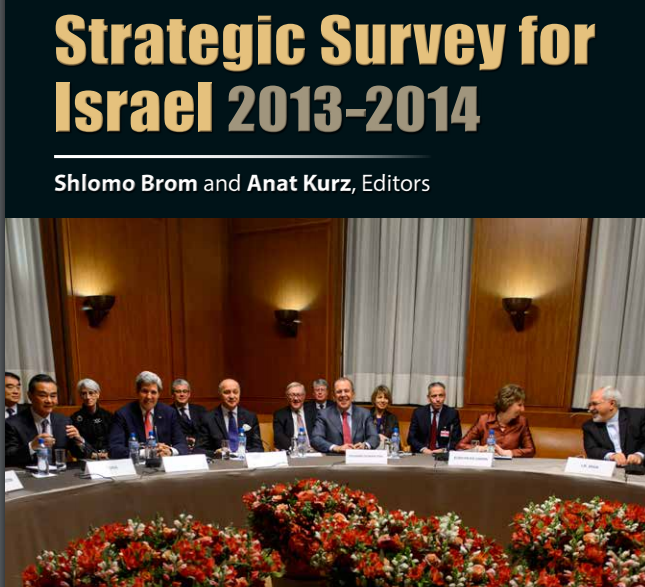
in Strategic Survey for Israel 2013-2014, eds. Shlomo Brom and Anat Kurz , Tel Aviv: Institute for National Security Studies, 2014

Ephraim Kam
In the more than two generations since the Free Officers Revolution in Egypt in 1952, the Egyptian regime has been relatively stable. This stability rested on the combination of a strong leader, the army’s support for the regime in exchange for significant benefits, and support for the opposition, which was perceived as dangerous to the regime. Several elements in this general picture of stability posed a threat to the regime: economic distress created perpetual potential for unrest, which indeed erupted for short periods from time to time, and the Islamic opposition occasionally constituted a danger to the regime, as in the murder of President Sadat and the wave of terrorist attacks carried out by its radical wing, mainly in the 1990s. The regime, however, was able to cope with these threats and maintain its control.The overthrow of the Mubarak regime ended this period of stability, and ushered in a period of uncertainty in Egypt.

The opinions expressed in INSS publications are the authors’ alone.
Publication Series Chapters
TopicsEgypt

Events

All events
Iran in Africa: Global Reach Regional Impact and Israeli Implications
26 October, 2025
14:00 - 17:00

Related Publications

All publications
The Egyptian Agenda and Relations with Israel in the Shadow of the War in the Gaza Strip
The main foreign policy issue that has preoccupied Egypt recently has been the war in the Gaza Strip. Egypt’s policy toward the war in particular, and toward Israel in general, should be assessed in light of two central factors: first, the prolonged war and its severe consequences in the Gaza Strip—an area that directly borders Egypt; and second, the war’s contribution to the growing prominence of the Palestinian issue on Egypt’s national agenda, which resonates deeply within Egyptian public opinion. In this sense, this current situation is unprecedented in the 45 years of peace between Egypt and Israel. The war has posed a significant test for Egyptian–Israeli relations. At the same time, Egypt’s leadership has had to consider its domestic political and economic agenda—already burdened with challenges—as it formulated its policy toward both the war and Israel. Understanding these two dimensions—Egypt’s position on the Palestinian issue and its internal challenges—helps explain Egypt’s policy toward Israel and the likely implications for relations between the two countries. The analysis and insights presented in this article are based on official statements, as well as commentary and reporting by Egyptian analysts and journalists during the period under review.
23/11/25
shutterstock
The Muslim Brotherhood’s Influence Campaign in Egypt
What means does the Muslim Brotherhood use to influence the Egyptian regime, and what are the implications of these actions?
30/09/25
The Gulf States Buy Influence in Egypt and Jordan
The massive acquisitions by the wealthy Gulf states in Egypt and Jordan have given them a significant foothold in both countries — a development that also impacts Israel, presenting both opportunities and risks
09/07/25

Stay up to date

Registration was successful! Thanks.
  • Research

    • Topics
      • Israel and the Global Powers
      • Israel-United States Relations
      • Glazer Israel-China Policy Center
      • Russia
      • Europe
      • Iran and the Shi'ite Axis
      • Iran
      • The Israel–Iran War
      • Lebanon and Hezbollah
      • Syria
      • Yemen and the Houthi Movement
      • Iraq and the Iraqi Shiite Militias
      • Conflict to Agreements
      • Israeli-Palestinian Relations
      • Hamas and the Gaza Strip
      • Peace Agreements and Normalization in the Middle East
      • Saudi Arabia and the Gulf States
      • Turkey
      • Egypt
      • Jordan
      • Israel’s National Security Policy
      • Military and Strategic Affairs
      • Societal Resilience and the Israeli Society
      • Jewish-Arab Relations in Israel
      • Climate, Infrastructure and Energy
      • Terrorism and Low Intensity Conflict
      • Cross-Arena Research
      • Data Analytics Center
      • Law and National Security
      • Advanced Technologies and National Security
      • Cognitive Warfare
      • Economics and National Security
    • Projects
      • Preventing the Slide into a One-State Reality
      • Contemporary Antisemitism in the United States
      • Perceptions about Jews and Israel in the Arab-Muslim World and Their Impact on the West
  • Publications

    • All Publications
    • INSS Insight
    • Policy Papers
    • Special Publication
    • Strategic Assessment
    • Technology Platform
    • Memoranda
    • Database
    • Posts
    • Books
    • Archive
  • About

    • Vision and Mission
    • History
    • Research Disciplines
    • Board of Directors
    • Fellowship and Prizes
    • Internships
    • Support
    • Privacy Policy and Terms of Use
  • Media

    • Communications
    • Video Gallery
    • Press Release
    • Podcast
  • Home

  • Events

  • Database

  • Team

  • Contact

  • Newsletter

  • עברית

INSS logo The Institute for National Security Studies, Strategic, Innovative, Policy-Oriented Research, go to the home page
40 Haim Levanon St. Tel Aviv, 6997556 Israel | Tel: 03-640-0400 | Fax: 03-744-7590 | Email: info@inss.org.il
Developed by Daat A Realcommerce company.
Accessibility Statement
This site is protected by reCAPTCHA and the Google Privacy Policy and Terms of Service apply.