


Publications
Spotlight, November 8, 2026
Follow us on GoogleIn the first week of November 2026, the United States maintained a force posture in the Middle East that is similar at sea to that of March 2026, but thinner in the air. Two aircraft carriers, 11 destroyers and a cruiser are operating in the Arabian Sea, with two more destroyers in the Red Sea (and three operating under the US Sixth Fleet in the Mediterranean); in the air, by contrast, no forward-deployed bombers have been reported, there are no F-22s in theater, and no new fighter arrivals were reported between November 1 and 7. Meanwhile, the reinforcement of air defenses has continued: a Patriot system was moved to Israel, dozens of transport flights have landed at Ovda Airbase since mid-October, and CENTCOM has received more than 24,000 counter-drone systems this year. At the same time, Washington extended its blockade of Iran from sea to land, while Iran sent a proposal on the nuclear file through Qatar.
Background: Coercion alongside Diplomacy
The US naval blockade of Iranian ports has now lasted more than 100 days and, according to US Central Command (CENTCOM), has denied Iran more than $25 billion in crude oil exports. Alongside the blockade, the United States carries out limited strikes whenever Iran fires at US aircraft. One of the most recent was reported on November 2, when a US aircraft struck an IRGC air-defense site on Qeshm Island after a missile was fired at it; Iran blamed the United States, while Pentagon officials described the strike as defensive. Iran, for its part, threatens to widen its retaliation beyond the Middle East if attacked.
Over the past week, Washington extended its coercion campaign beyond the sea. On November 7, CENTCOM commander Adm. Brad Cooper ordered the establishment of Task Force Iron Gate, a staff of about 20 military and civilian personnel in Tampa that will work with other US agencies to stop advanced weapons, dual-use technology, sanctioned materials and revenue from crossing Iran’s land borders and the Caspian Sea. However, it is an interagency staff rather than a new deployment, and it therefore does not change the force posture in theater. In parallel, coercion is also being applied through intelligence channels: the State Department’s Rewards for Justice program offers up to $20 million and possible relocation for information on Iran’s nuclear program, its facilities, equipment and personnel, or the movement of any of them.
In Washington, signals of an approaching decision are accumulating. President Trump met with his national security team on November 5, for the first time since the midterm elections, and said afterwards that a decision would come soon (“You’ll know soon enough”), even though he had earlier told the Financial Times that there were no immediate plans to strike. According to a US official who spoke with Axios, CENTCOM is finalizing preparations to resume major operations but has not received a new directive. In addition, US officials have cited the dark nights around the November 9 new moon as favorable for operations, and according to reports, the ideal window to resume operations opens later this month.
Diplomacy is proceeding alongside the military preparations. According to a senior Iranian official who spoke with Reuters, Iran sent the United States a nuclear proposal through Qatar but made any discussion of it conditional on Washington first meeting seven demands, including oil-sanctions relief, an end to the blockade and the release of frozen funds. Qatar, for its part, is pressing for an interim agreement, after the interim agreement reached in June collapsed within a short time.
Naval Forces: At March Levels, for Now
At sea, the US posture resembles that of March. About 17 warships are operating in the CENTCOM area of responsibility: the aircraft carriers USS George Washington (with Carrier Air Wing 5) and USS George H.W. Bush (with Carrier Air Wing 7), 13 destroyers, one cruiser and the expeditionary sea base USS Miguel Keith. Eleven of the destroyers and the cruiser are in the Arabian Sea and two destroyers are in the Red Sea, while three additional destroyers operate in the Mediterranean, outside the CENTCOM area. In total, then, 16 destroyers and one cruiser carrying the Aegis naval defense system, which is capable of intercepting ballistic missiles, are deployed in the region.
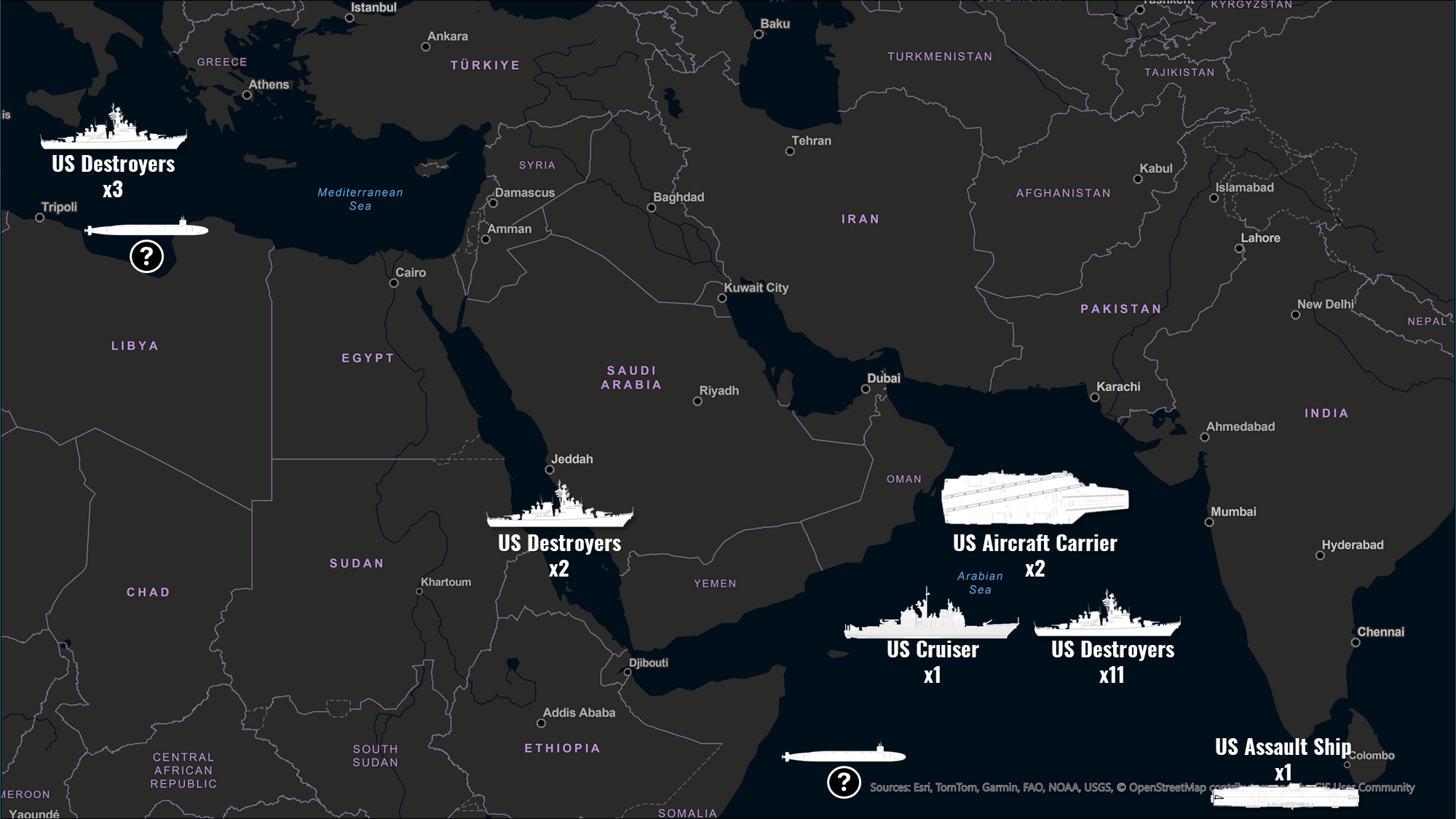
Figure 1: US naval forces deployed in the Mediterranean, the Red Sea, the Arabian Sea
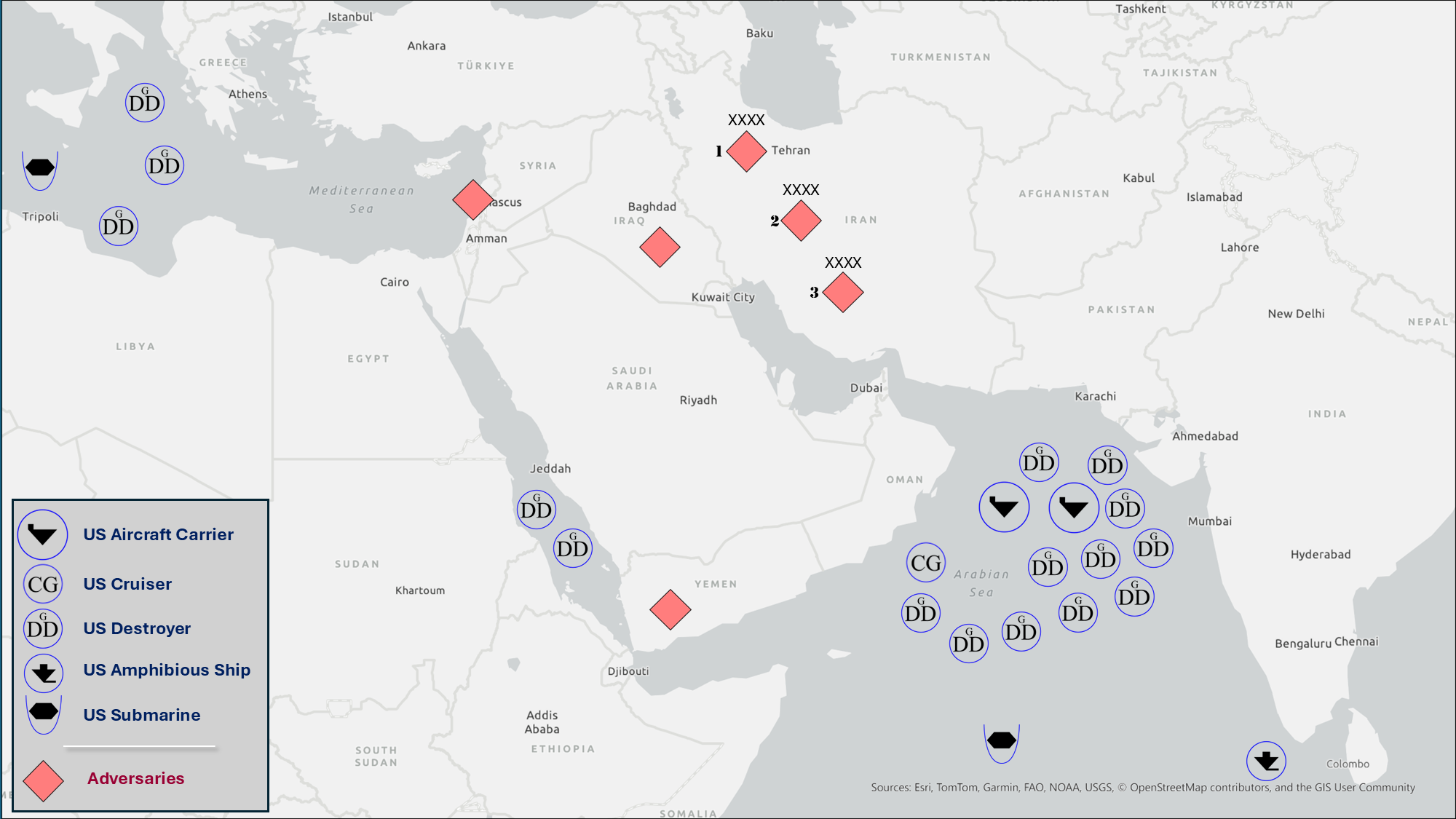
Figure 2: Tactical Map of US aircraft carriers, destroyers, cruisers, amphibious ships and possible submarines, alongside adversary forces in the region
In addition, the USS Boxer Amphibious Ready Group, with the 11th Marine Expeditionary Unit and F-35B aircraft, has moved to the Indian Ocean, whereas no US submarines have been reported in theater, although they are likely present. Further forces are expected later this month: the USS Theodore Roosevelt Carrier Strike Group was in Singapore on November 6 and is expected in theater by mid-November at the earliest, and the USS Makin Island Amphibious Ready Group, with the 13th Marine Expeditionary Unit, is at Yokosuka, Japan (Exercise Malabar). However, according to US Naval Institute (USNI) reporting, Theodore Roosevelt is slated to relieve George Washington, and a New York Times report likewise indicated that the current concentration of carriers is temporary. Accordingly, only if Theodore Roosevelt arrives as a reinforcement rather than a relief will US naval strength exceed its March level.
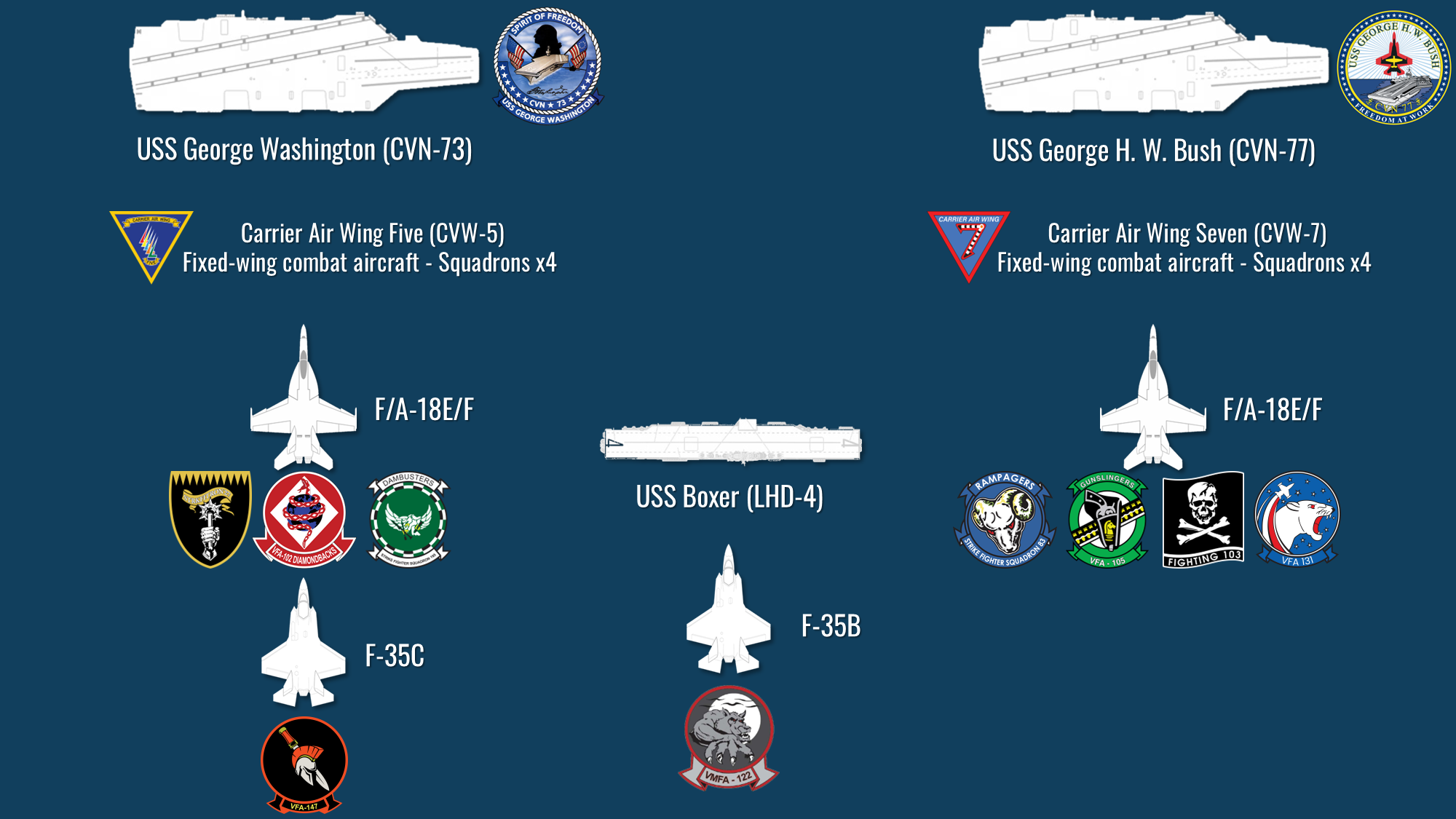
Figure 3: The aircraft carriers USS George Washington and USS George H.W. Bush with the strike fighter squadrons of Carrier Air Wings 5 and 7, and the amphibious assault ship USS Boxer with F-35B aircraf
Air Power: Thinner, but the Infrastructure Is in Place
Land-based strike aviation is thinner than in March (~200). F-16C, F-35A and F-15E fighters from (at least) six US Air Force wings are operating in the area, along with an unknown number of A-10Cs; however, there have been no F-22s in theater since the summer, and no fighter or bomber arrivals were reported between November 1 and 7. The most notable gap is in bombers: in March, 18 bombers (12 B-1Bs and six B-52Hs) flew back home from RAF Fairford in the United Kingdom, whereas the base has been empty since the last B-1Bs left on October 4–5. No bombers have been reported at Diego Garcia either, although activity at that base was not observed from open sources, and the only B-52 seen in Europe during this period flew a US Strategic Command exercise over the Norwegian Sea on October 24.
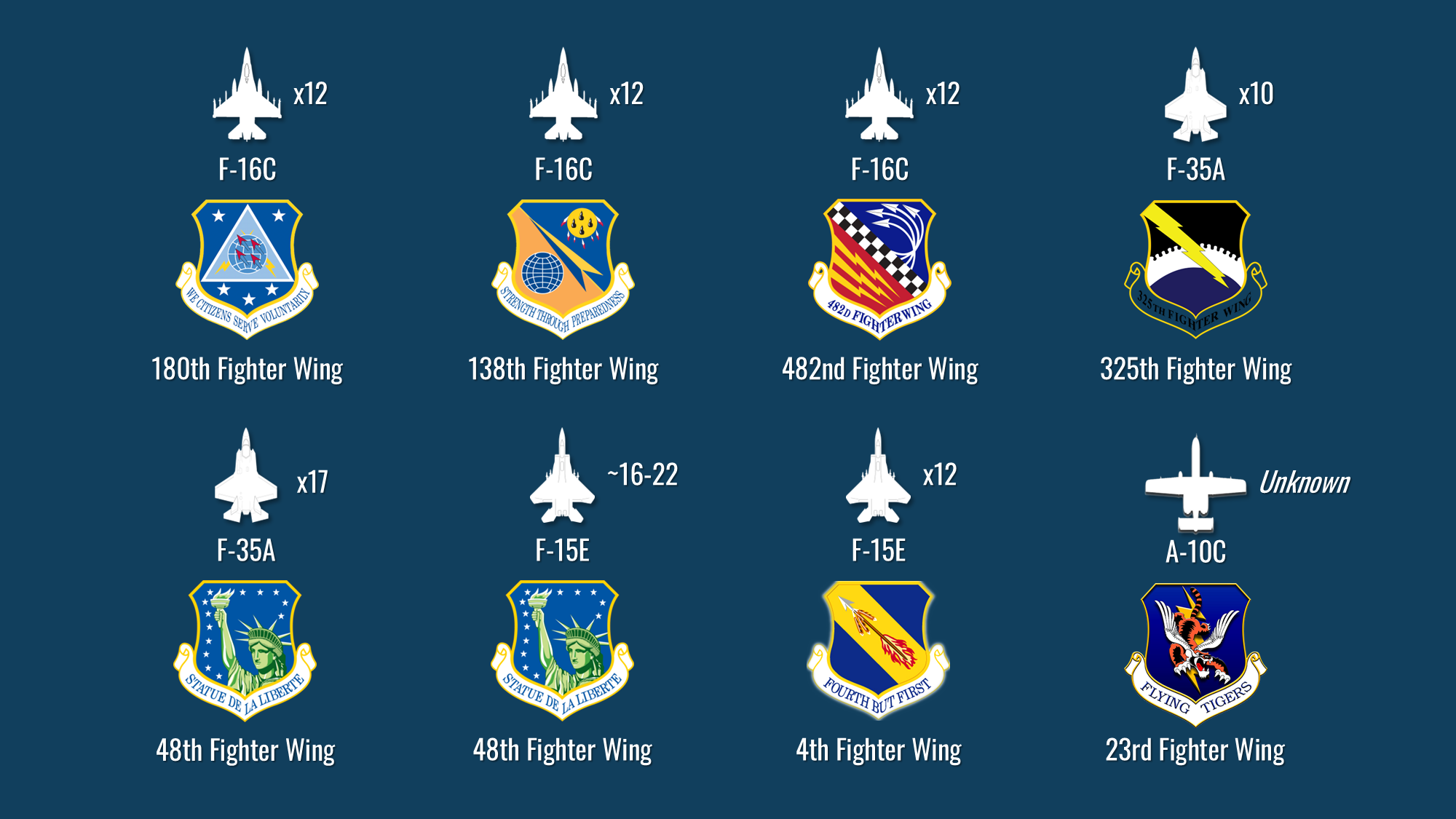
Figure 4: US Air Force fighter aircraft in theater, by wing and number of aircraft
By contrast, the aerial refueling network required for a large-scale operation is already in place: about 200 KC-135 and KC-46 tankers from seven wings are operating across Europe and the CENTCOM area. This network extends the range and endurance of fighters and bombers and allows aircraft from widely separated bases to take part in the same operation and reach distant targets. In addition, an airborne intelligence, command-and-control and communications layer is deployed in theater, including at least two RC-135W electronic intelligence aircraft, about six E-3 airborne warning and control aircraft, about five E-11A communications relay aircraft, and P-8A maritime patrol aircraft. US personnel in the theater as a whole are assessed at about 50,000.
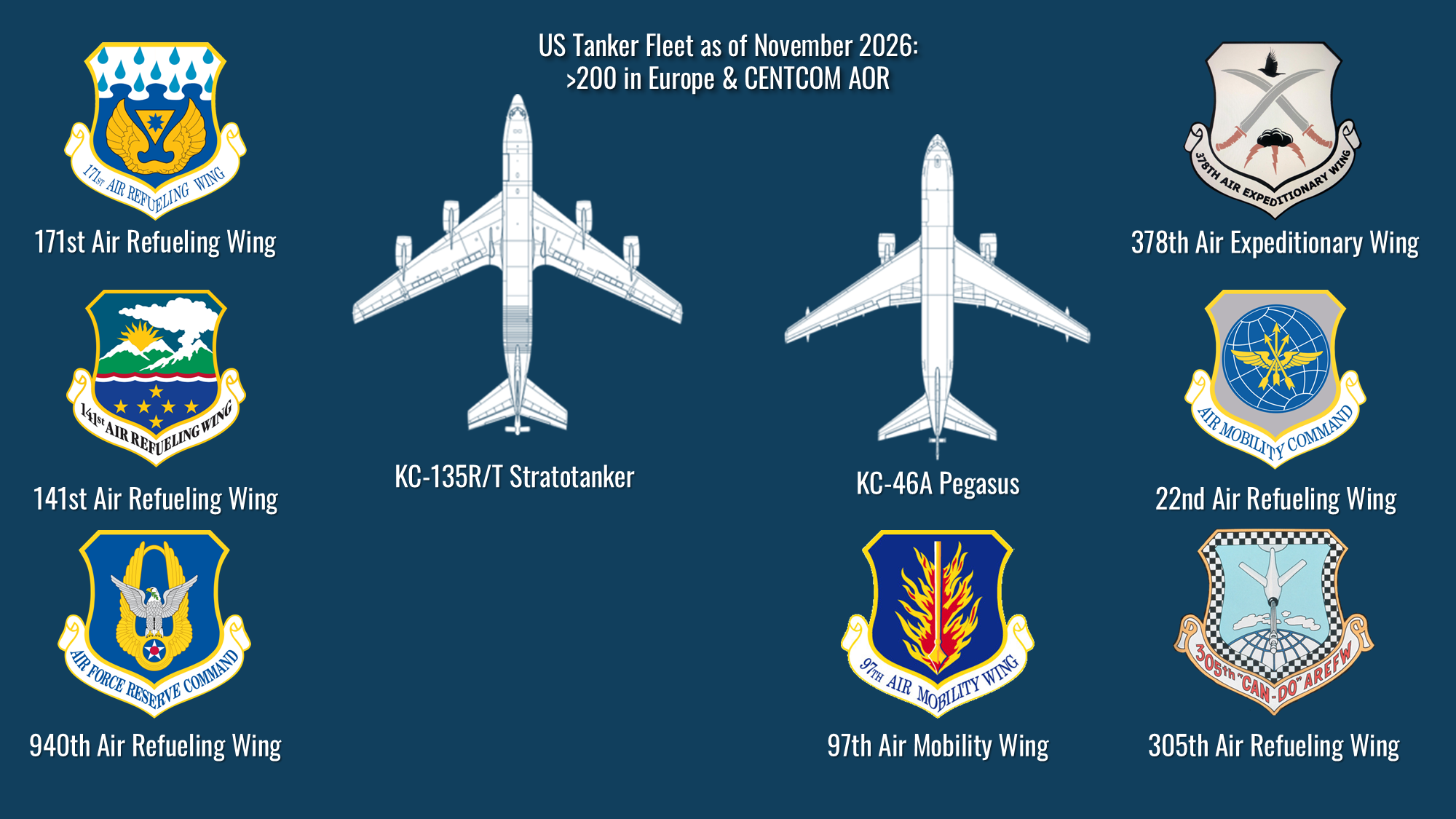
Figure 5: KC-135 and KC-46 tankers in Europe and the CENTCOM area, and the wings that operate them
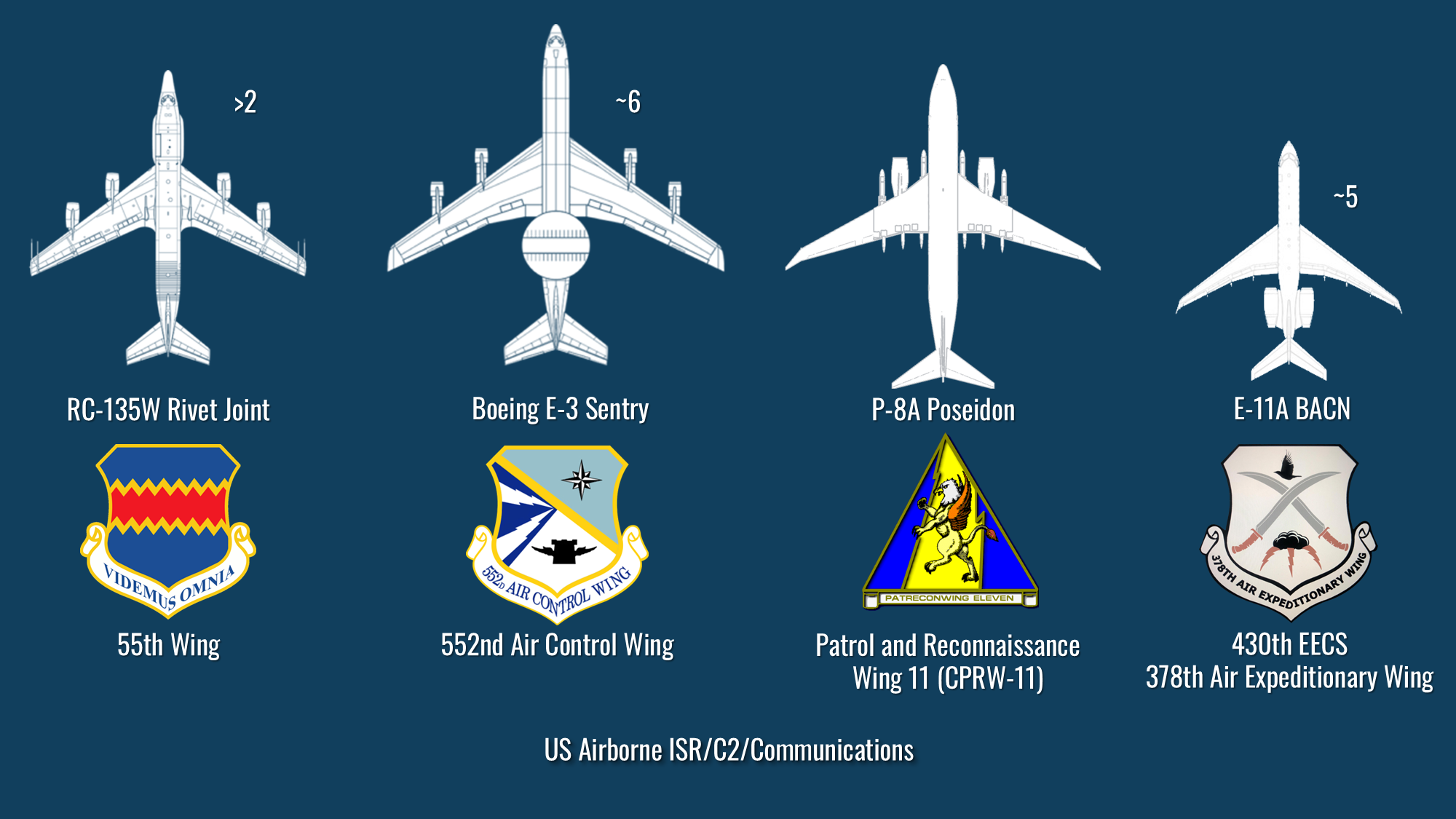
Figure 6: US airborne intelligence, command-and-control and communications aircraft in theater, by type and unit
Air Defenses Are Thickening
Most of the movements recorded in recent weeks have, notably, been defensive. According to flight-tracking sites, at least 16 US C-17 transport aircraft have landed at Ovda Airbase since mid-October, including 11 from Fort Bliss, Texas, between October 27 and November 2, and about 16 more flights reportedly flew the same route on November 3. Fort Bliss is home to US Army air-defense units, and in parallel the United States moved a Patriot system to Israel and pulled personnel from bases seen as vulnerable. However, the flight records do not show what the aircraft carried, so the link between these flights and the reinforcement of air defenses is only a possibility.
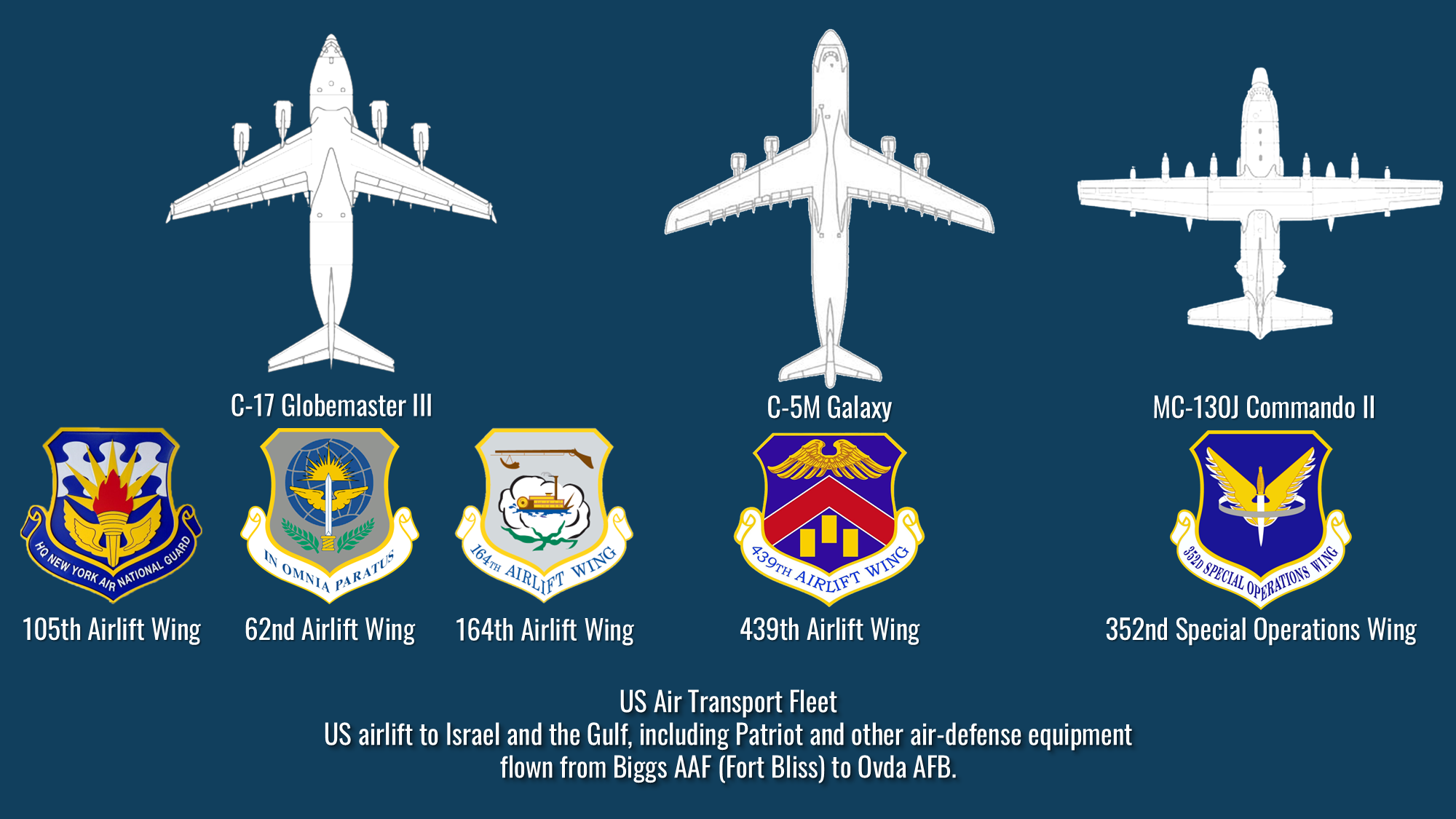
Figure 7: C-17, C-5M transport aircraft and the wings that operate them, used in the airlift to Israel and the Gulf, and MC-130J aircraft for special missions.
According to the INSS Data Center’s assessment, 7-9 US Patriot batteries are now deployed in the region, including additions in Israel, Saudi Arabia (protecting an oil site) and Qatar (protecting a gas site), while none are deployed in Iraq; in the upper tier, 2-3 THAAD batteries are estimated, at least one of them in Israel and one in Jordan. Alongside these systems, the cheap layer of defense is growing fastest: according to the Pentagon’s unmanned-systems office (DRPM-UxS), more than 25,000 systems have been delivered to CENTCOM in 2026, including over 24,000 counter-drone systems, over 1,300 LUCAS one-way attack drones, already used in the Strait of Hormuz, and over 100 unmanned surface and underwater vehicles.
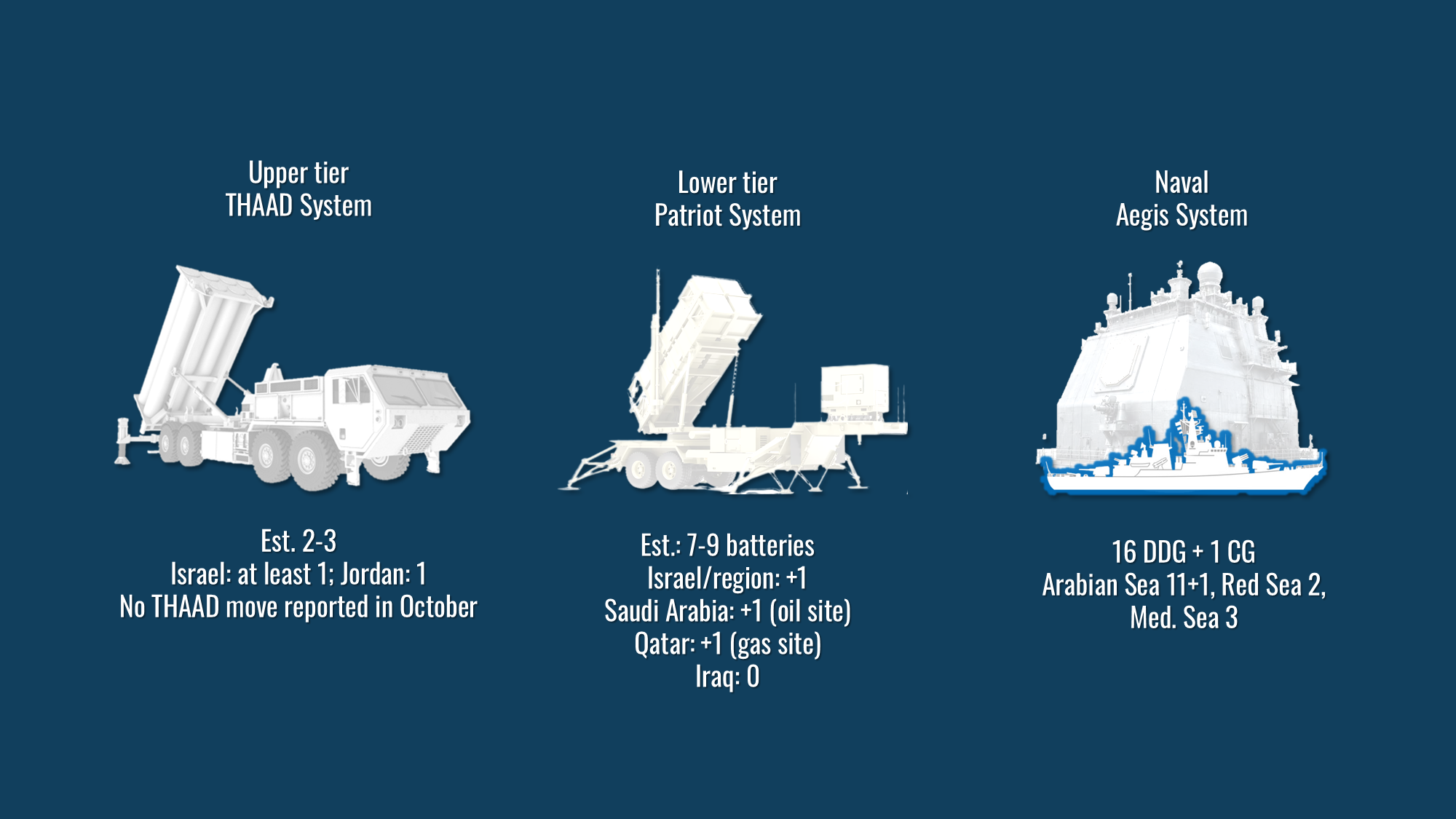
Figure 8: Missile defense systems in the region - THAAD (upper tier), Patriot (lower tier) and Aegis (naval) - and their deployment by country and area
Comparison with March 2026
Naval strength stands at roughly its March level, while land-based air power and the allied presence in the Mediterranean are smaller. According to the INSS Data Center’s assessment, an air campaign on the scale of March would require the redeployment of bombers and fighters to the theater, and possibly a third carrier air wing.
Sources
Based on open-source intelligence (OSINT) assessments and media reporting. To view the regularly updated interactive map, click here.
______________________
For additional details, please contact Stéphane Cohen at stephanec@inss.org.il