


Publications
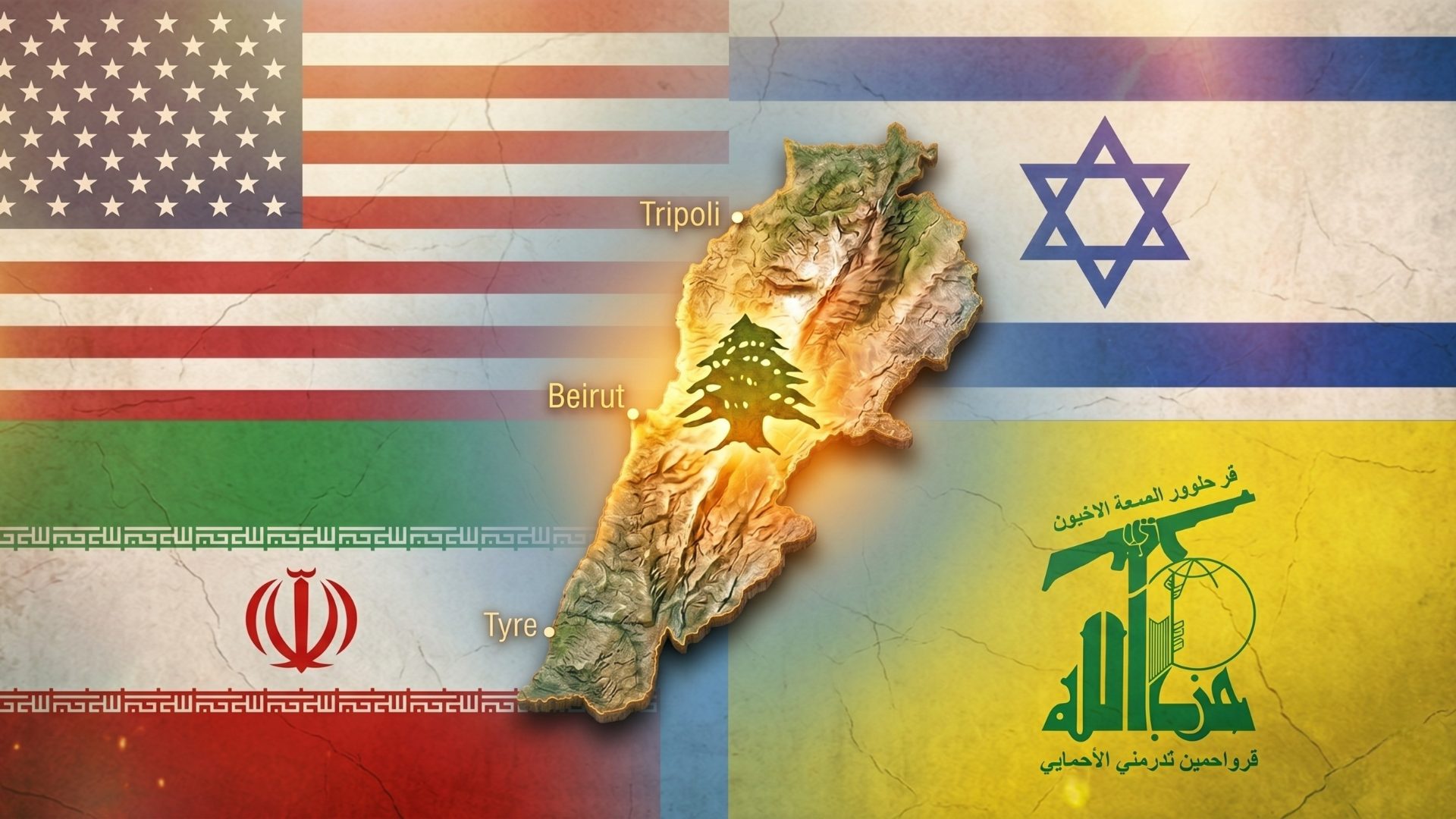
The test of the Lebanese arena from the perspectives of the United States, Iran, Lebanon, Hezbollah, and Israel
INSS Insight No. 2153, June 11, 2026
Follow us on GoogleThe Israeli strike in Beirut following Hezbollah’s rocket fire on northern Israel, and the subsequent round of exchanges between Israel and Iran, illustrate both the complexity of the American effort to curb escalation and Israel’s challenge of separating the Lebanese arena from Iran. The Trump administration sought to advance a renewed agreement between Israel and Lebanon, strengthen the Lebanese government, restrict Hezbollah’s freedom of action, and preserve maneuver space regarding Tehran. However, it failed to prevent an Israeli strike in Beirut aimed at exacting a price from Hezbollah, which within hours led to a direct confrontation between Israel and Iran. This situation highlighted Israel’s central challenge vis-à-vis Washington — to seek the approval for targeted enforcement in Lebanon, while the administration continues to apply pressure on Iran to advance an agreement and prevent another regional escalation.
The Sequence of Events: From Fragile Ceasefire to Regional Escalation
In late May and early June, two main factors contributed to the intensification of Hezbollah’s attacks on northern Israel. First, the restraint imposed on Israeli military activity by U.S. President Donald Trump — particularly regarding strikes in Beirut’s Dahiyeh district — aimed at stabilizing the ceasefire and enabling progress in negotiations toward an agreement with Iran. Second, a series of Hezbollah’s tactical successes using FPV drones, which inflicted lethal damage on IDF soldiers. This situation became intolerable from Israel’s perspective and led to Israeli statements on June 1 that if Hezbollah’s attacks continued, Israel would strike the Dahiyeh district. Trump quickly intervened to prevent this, following an Iranian threat that such a strike would lead to the suspension of talks. The following day, a de-facto equation was established: Israel would refrain from striking Dahiyeh as long as Hezbollah refrained from attacking targets in Israel.
At the same time, the American administration worked to advance direct talks between Israel and Lebanon, and on June 3 the fourth round of talks concluded with a joint statement announcing a renewed agreement on a conditional ceasefire. This diplomatic effort was intended to serve a dual American objective: halting the military deterioration between Israel and Hezbollah and stabilizing the northern border, while simultaneously creating conditions for progress in the broader American effort vis-à-vis Iran. However, it soon became clear that this was a fragile framework that did not align with realities on the ground. Hezbollah Secretary-General, Naim Qassem, rejected the outcome of the meeting, and Hezbollah’s fire toward northern Israel continued. This led to a measured Israeli strike in the Dahiyeh district on June 7, followed by a short round of mutual strikes between Iran and Israel (June 7–8), which was halted by American intervention.
This sequence of events demonstrates that the arrangement in Lebanon is not merely a test of enforcement vis-à-vis Hezbollah, but also a test of the ability of the United States and Israel to prevent the linkage of arenas — a linkage that is highly important for Iran and Hezbollah. From Israel’s perspective, the strike in Beirut’s Dahiyeh district was intended to prevent the consolidation of a restrictive equation and to signal that Hezbollah violations would carry a cost. From the perspective of Iran and Hezbollah, the intention was the opposite — to leverage the linkage of arenas in order to constrain IDF operations in Lebanon and establish an equation limiting Israel’s freedom of action.
The American Perspective: Preventing Escalation Before Achieving Decisive Outcomes
From the perspective of the Trump administration, Lebanon is an important objective in its own right: Washington seeks to stabilize the northern border, strengthen the Lebanese government, limit Hezbollah’s operational space, and prevent deterioration into a regional war. At the current stage, however, Lebanon is also subordinated to Trump’s broader effort to end — or at least manage — the conflict with Iran. Against the backdrop of American frustration over the deadlock in talks with Tehran, the administration seeks to prevent the Lebanese arena from becoming a front that could undermine its approach toward the Islamic Republic, deepen regional uncertainty, and impose political and economic costs.
This is why Washington rushed to frame the outcome of the talks between Israel and Lebanon as a renewed ceasefire agreement. Earlier, Trump intervened to prevent a large-scale Israeli strike in Beirut and even presented this as a direct achievement of his engagement with both Israel and Hezbollah. Trump claimed that he had communicated with Hezbollah through “highly placed Representatives” and that the organization had agreed to halt its fire. At the same time, Israeli officials noted that the strike in the Dahiyeh district had been postponed at the request of the United States, which was advancing a ceasefire initiative.
Recent developments reinforce the administration’s concern that the Lebanese arena could undermine its Iran strategy. Accordingly, Washington is likely to continue prioritizing de-escalation over the full application of military pressure on Hezbollah. However, this approach also carries risks: if de-escalation translates primarily into restraining Israel rather than enforcing constraints on Hezbollah and Iran, it will encourage the Iranian axis to use Lebanon as a veto mechanism against Israeli freedom of action.
The Lebanese Perspective: Desire For an Agreement Without Enforcement Ability
The American framework, as reflected in the joint statement issued at the end of the fourth round of talks between Lebanon and Israel, was based on a clear logic: the governments of Lebanon and Israel would commit to a ceasefire; Hezbollah would be required to cease its attacks and withdraw its forces from southern Lebanon; the Lebanese Armed Forces would assume greater security responsibility; and talks between Israel and Lebanon would continue toward a broader agreement. The United States presented this statement as a step toward strengthening Lebanese sovereignty and transferring security responsibility to the Lebanese state.
However, the weakness of the American assumption was evident from the outset: the understanding was reached between Israel and the Lebanese government — which seeks an arrangement but lacks the capacity to implement it — while the key actor capable of enforcing a ceasefire, Hezbollah, is not a formal party to it. In practice, the Lebanese government is required to deliver an outcome it is likely unable to impose: halting Hezbollah’s activity in the south and subordinating the security arena to state sovereignty. Thus, while strengthening the Lebanese government is a critical American objective, Beirut’s ability to enforce the arrangement on Hezbollah remains highly limited.
This is the American dilemma: to strengthen the Lebanese government, Washington must treat it as the primary political party for the arrangement. But to achieve actual calm, it must take Hezbollah’s position into account. This gap is the source of the framework’s weakness. The outcome of the recent short exchange between Israel and Iran further sharpened this dilemma, given Iran’s intervention in support of Hezbollah and its desire to sabotage the Washington talks and establish an equation whereby Israeli action in Lebanon could trigger a direct Iranian response.
Hezbollah’s Perspective: Opposition to a Constraining Agreement
Trump’s statement that his administration had communicated with Hezbollah via intermediaries marked a departure from established policy. This reflects characteristic Trumpian pragmatism: if Hezbollah is the actor capable of halting the fire, then it must be engaged — even indirectly. However, this move exposes an internal contradiction: Washington seeks to strengthen Lebanese sovereignty and push Hezbollah out of southern Lebanon, yet in moments of crisis it turns to the very non-state actor that undermines that sovereignty.
Hezbollah’s rejection of the framework complicates the implementation of Trump’s strategy. The organization demands a complete ceasefire and restrictions on IDF freedom of action, similar to the reality that preceded operation “Roaring Lion.” Hezbollah also continues to link a ceasefire in Lebanon to an American agreement with Iran, in order not to face Israeli and American pressure alone. In addition, Hezbollah does not recognize the direct talks between Israel and Lebanon and seeks to prevent them from becoming a track that could constrain its activity, advance efforts to disarm it, and erode its independent standing in Lebanon. The organization opposes any political arrangement and seeks to preserve its status as an indispensable actor in any security arrangement.
The Iranian Perspective: Protecting Hezbollah and Using It as Leverage in Negotiations
From the American perspective, Hezbollah’s stance is more than a tactical obstacle — it undermines the core assumption that the Lebanese government, Hezbollah, and Iran can be treated as separate actors. Washington seeks to engage Beirut, restrain Hezbollah, and advance talks with Tehran in parallel. However, reality shows that it is difficult to manage these arenas simultaneously when Iran and Hezbollah are actively working to link them.
The connection to Iran is a key factor. Hezbollah has long served as Tehran’s primary deterrent asset against Israel. Even after suffering significant damage to its capabilities, it remains a key component of Iran’s ability to disrupt arrangements, apply indirect pressure, and deter Israel and the United States from further steps. From Iran’s perspective, an arrangement in Lebanon that pushes Hezbollah out of the south and restricts its operational freedom would constitute a strategic blow to its network of proxies. Conversely, if every Israeli action in Lebanon triggers an Iranian threat or response, Tehran will succeed in turning Lebanon into a veto card against Israeli freedom of action.
Israel’s Challenges: Action in Lebanon Without an Iranian Front
From Israel’s perspective, the central objective in its dialogue with Washington should be to anchor a clear distinction between Israeli enforcement actions in Lebanon and escalation with Iran. Israel should argue that targeted action in response to Hezbollah attacks on its territory — or to an emerging threat from the organization — should not be perceived as a violation of the American approach toward Iran, but rather as a condition for its success. If Hezbollah can continue attacking Israel while knowing that any Israeli response will trigger American pressure due to fears of Iranian escalation, the arrangement in Lebanon will collapse and Hezbollah will effectively gain immunity.
Israel should ask the administration to formulate “rules for separating the arenas”: an understanding that targeted Israeli responses in Lebanon to Hezbollah violations will not be considered legitimate grounds for an Iranian response; an American commitment to convey this clearly to Tehran; and a gradual response mechanism in which responsibility for preventing escalation rests first and foremost with Hezbollah and Iran — not only with Israel. At the same time, Israel must avoid public threats against Beirut or Iran that are not coordinated in advance with Washington. Such statements could leave Israel facing a poor choice: to carry out a threat that would harm the American effort, damage Israel’s image, increase the risk of escalation, and strain bilateral relations, or to retreat from it and grant Hezbollah and Iran a psychological victory.
Ultimately, the latest round demonstrated that Lebanon is not merely a ceasefire test, but a test of the American and Israeli ability to prevent Iran and Hezbollah from linking the arenas. The Trump administration seeks to prevent escalation and preserve the possibility of an agreement with Tehran. Israel seeks to maintain freedom of action against Hezbollah and prevent its recovery. These objectives do not necessarily contradict one another, but they will require clear understandings between Jerusalem and Washington: Hezbollah violations must carry a cost; and any Iranian attempt to use Lebanon as a veto mechanism must be met with a clear American message. Only in this way can the arrangement in Lebanon be transformed from a mechanism for restraining Israel into one that actually constrains Hezbollah and Iran. The latest round between Israel and Iran demonstrates that without such understandings, Iran and Hezbollah will seek to turn the very American fear of regional escalation into a mechanism that limits Israel in Lebanon.