


Iran's Regional Status: Expanding Influence alongside Weakness | INSS
go to header go to content go to footer go to search
INSS logo The Institute for National Security Studies, Strategic, Innovative, Policy-Oriented Research, go to the home page
INSS
Tel Aviv University logo - beyond an external website, opens on a new page
  • Campus
  • Contact
  • עברית
  • Support Us
  • Research
    • Topics
      • Israel and the Global Powers
        • Israel-United States Relations
        • Glazer Israel-China Policy Center
        • Russia
        • Europe
        • Antisemitism and Delegitimization
      • Iran and the Shi'ite Axis
        • Operation Roaring Lion
        • Iran
        • Lebanon and Hezbollah
        • Syria
        • Yemen and the Houthi Movement
        • Iraq and the Iraqi Shiite Militias
      • Conflict to Agreements
        • Israeli-Palestinian Relations
        • Hamas and the Gaza Strip
        • Peace Agreements and Normalization in the Middle East
        • Saudi Arabia and the Gulf States
        • Turkey
        • Egypt
        • Jordan
      • Israel’s National Security Policy
        • Military and Strategic Affairs
        • Societal Resilience and the Israeli Society
        • Jewish-Arab Relations in Israel
        • Climate, Infrastructure and Energy
        • Terrorism and Low Intensity Conflict
      • Cross-Arena Research
        • Data Analytics Center
        • Law and National Security
        • Advanced Technologies and National Security
        • Foreign Information Manipulation and Interference
        • Economics and National Security
    • Projects
      • Preventing the Slide into a One-State Reality
      • India-Middle East-Europe Economic Corridor (IMEC)
  • Publications
    • -
      • All Publications
      • INSS Insight
      • Policy Research and Papers
      • Special Publication
      • Strategic Assessment
      • Technology Platform
      • Memoranda
      • Posts
      • Books
      • Archive
  • Database
    • Surveys
    • Spotlight
    • Maps
    • Dashboards
  • Events
  • Team
  • About
    • Vision and Mission
    • History
    • Research Disciplines
    • Chairman of the Board
    • Board of Directors
    • Fellowship and Prizes
    • Annual Reports
    • Internships
  • Media
    • Communications
    • Video gallery
    • Press Releases
  • Podcast
  • Newsletter
  • Campus
Search in site
  • Research
    • Topics
    • Israel and the Global Powers
    • Israel-United States Relations
    • Glazer Israel-China Policy Center
    • Russia
    • Europe
    • Antisemitism and Delegitimization
    • Iran and the Shi'ite Axis
    • Operation Roaring Lion
    • Iran
    • Lebanon and Hezbollah
    • Syria
    • Yemen and the Houthi Movement
    • Iraq and the Iraqi Shiite Militias
    • Conflict to Agreements
    • Israeli-Palestinian Relations
    • Hamas and the Gaza Strip
    • Peace Agreements and Normalization in the Middle East
    • Saudi Arabia and the Gulf States
    • Turkey
    • Egypt
    • Jordan
    • Israel’s National Security Policy
    • Military and Strategic Affairs
    • Societal Resilience and the Israeli Society
    • Jewish-Arab Relations in Israel
    • Climate, Infrastructure and Energy
    • Terrorism and Low Intensity Conflict
    • Cross-Arena Research
    • Data Analytics Center
    • Law and National Security
    • Advanced Technologies and National Security
    • Foreign Information Manipulation and Interference
    • Economics and National Security
    • Projects
    • Preventing the Slide into a One-State Reality
    • India-Middle East-Europe Economic Corridor (IMEC)
  • Publications
    • All Publications
    • INSS Insight
    • Policy Research and Papers
    • Special Publication
    • Strategic Assessment
    • Technology Platform
    • Memoranda
    • Posts
    • Books
    • Archive
  • Database
    • Surveys
    • Spotlight
    • Maps
    • Dashboards
  • Events
  • Team
  • About
    • Vision and Mission
    • History
    • Research Disciplines
    • Chairman of the Board
    • Board of Directors
    • Fellowship and Prizes
    • Internships
    • Annual Reports
    • Privacy Policy and Terms of Use
  • Media
    • Communications
    • Video gallery
    • Press Releases
  • Podcast
  • Newsletter
  • Campus
  • Contact
  • עברית
  • Support Us
bool(false)

Publications

Home Publications Chapters Iran's Regional Status: Expanding Influence alongside Weakness

Iran's Regional Status: Expanding Influence alongside Weakness

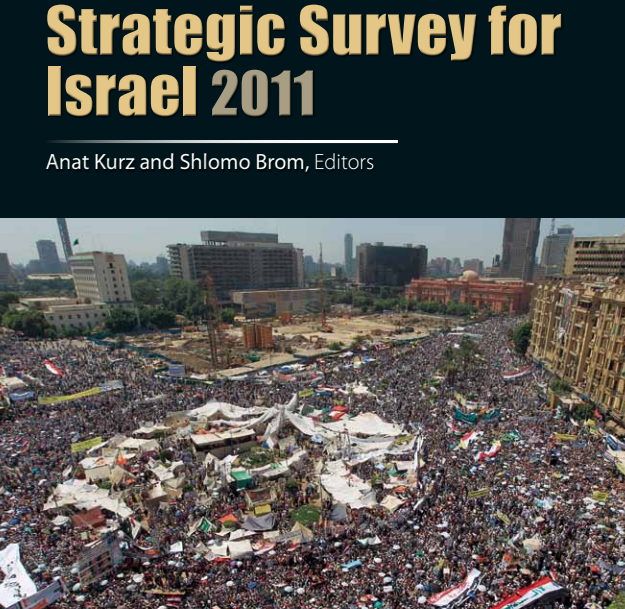
in Strategic Survey for Israel 2011, eds. Anat Kurz and Shlomo Brom, Tel Aviv: Institute for National Security Studies, 2011

Follow us on Google
Ephraim Kam

Important changes in Iran’s regional status in recent years have in many ways expandedIran’s influence in the Middle East and accelerated its drive to confirm its status as a regional power with a leading role in the Muslim world. This ambition rests on Iran’ss being a key country in the region, positioned at an important geo-strategic junction and boasting an ancient culture and imperial past. Iran’s territory and its population are among the largest in the Middle East. It has great economic potential and the capability of building impressive military power, including nonconventional capabilities. The aspiration to regional hegemony is also driven by the regime’s threat perception, shaped by the trauma of the Iran-Iraq War, the American threat to its strategic power, and concern over the security of Iran’s oil production and exports.


The opinions expressed in INSS publications are the authors’ alone.
Publication Series Chapters
TopicsIran

Events

All events
Iran, US, Israel, and the Global Jewish Community
10 March, 2026
12:00 - 13:00
Shutterstock

Related Publications

All publications
Reuters (modified by INSS)
Live Dashboard: The Hormuz Crisis - Global Economic Impact
This dashboard report presents ten charts documenting the global economic effects of the closure of the Strait of Hormuz. From surging oil, gas, and jet fuel prices, to disruptions in aluminum and fertilizer supply chains, and mounting pressure on the global food price index, the charts together point to a single vulnerability in the global economy that evolved into a catalyst for a multidimensional crisis. The charts will be updated weekly and will continue tracking effects likely to persist well after the fighting subsides, as disruptions to global supply chains do not disappear the day after a ceasefire.
31/05/26
Nir Alon/ZUMA Press Wire via REUTERS
“Operation Roaring Lion”: Summary of the First Phase
“Operation Roaring Lion,” the war against Iran and its proxies, has not yet reached its conclusion. Although the final outcome remains unclear and the current situation may soon shift, the campaign’s distinctive characteristics allow for an interim assessment. This is the most extensive war fought in the Middle East since the Second Gulf War, and the first in which Israel is fighting as an active partner in a coalition with the United States. While its global implications have yet to fully emerge, it is already clear that the war carries significant implications for the Gulf States, the global energy market, Israel’s international standing, and great-power competition.
17/05/26
REUTERS (modified by INSS)
More Than a Mediator: The Egyptian Stake in Ending the War with Iran
Why and how Cairo worked to achieve and maintain the U.S.-Iran ceasefire — and what conclusions should be drawn in Israel?
17/05/26

Stay up to date

Registration was successful! Thanks.
  • Research

    • Topics
      • Israel and the Global Powers
      • Israel-United States Relations
      • Glazer Israel-China Policy Center
      • Russia
      • Europe
      • Antisemitism and Delegitimization
      • Iran and the Shi'ite Axis
      • Operation Roaring Lion
      • Iran
      • Lebanon and Hezbollah
      • Syria
      • Yemen and the Houthi Movement
      • Iraq and the Iraqi Shiite Militias
      • Conflict to Agreements
      • Israeli-Palestinian Relations
      • Hamas and the Gaza Strip
      • Peace Agreements and Normalization in the Middle East
      • Saudi Arabia and the Gulf States
      • Turkey
      • Egypt
      • Jordan
      • Israel’s National Security Policy
      • Military and Strategic Affairs
      • Societal Resilience and the Israeli Society
      • Jewish-Arab Relations in Israel
      • Climate, Infrastructure and Energy
      • Terrorism and Low Intensity Conflict
      • Cross-Arena Research
      • Data Analytics Center
      • Law and National Security
      • Advanced Technologies and National Security
      • Foreign Information Manipulation and Interference
      • Economics and National Security
    • Projects
      • Preventing the Slide into a One-State Reality
      • India-Middle East-Europe Economic Corridor (IMEC)
  • Publications

    • All Publications
    • INSS Insight
    • Policy Research and Papers
    • Special Publication
    • Strategic Assessment
    • Technology Platform
    • Memoranda
    • Database
    • Posts
    • Books
    • Archive
  • About

    • Vision and Mission
    • History
    • Research Disciplines
    • Chairman of the Board
    • Board of Directors
    • Fellowship and Prizes
    • Internships
    • Annual Reports
    • Support
    • Privacy Policy and Terms of Use
  • Media

    • Communications
    • Video Gallery
    • Press Release
    • Podcast
  • Home

  • Events

  • Database

  • Team

  • Contact

  • Newsletter

  • עברית

INSS logo The Institute for National Security Studies, Strategic, Innovative, Policy-Oriented Research, go to the home page
40 Haim Levanon St. Tel Aviv, 6997556 Israel | Tel: 03-640-0400 | Fax: 03-744-7590 |
Developed by Daat ,Yael Group.
Accessibility Statement
This site is protected by reCAPTCHA and the Google Privacy Policy and Terms of Service apply.