Technology and Intelligence: Changing Trends in the IDF’s Intelligence Process in the Post-Information Revolution Period | INSS
go to header go to content go to footer go to search
INSS logo The Institute for National Security Studies, Strategic, Innovative, Policy-Oriented Research, go to the home page
INSS
Tel Aviv University logo - beyond an external website, opens on a new page
  • Campus
  • Contact
  • עברית
  • Support Us
  • Research
    • Topics
      • Israel and the Global Powers
        • Israel-United States Relations
        • Glazer Israel-China Policy Center
        • Russia
        • Europe
        • Antisemitism and Delegitimization
      • Iran and the Shi'ite Axis
        • Operation Roaring Lion
        • Iran
        • Lebanon and Hezbollah
        • Syria
        • Yemen and the Houthi Movement
        • Iraq and the Iraqi Shiite Militias
      • Conflict to Agreements
        • Israeli-Palestinian Relations
        • Hamas and the Gaza Strip
        • Peace Agreements and Normalization in the Middle East
        • Saudi Arabia and the Gulf States
        • Turkey
        • Egypt
        • Jordan
      • Israel’s National Security Policy
        • Military and Strategic Affairs
        • Societal Resilience and the Israeli Society
        • Jewish-Arab Relations in Israel
        • Climate, Infrastructure and Energy
        • Terrorism and Low Intensity Conflict
      • Cross-Arena Research
        • Data Analytics Center
        • Law and National Security
        • Advanced Technologies and National Security
        • Foreign Information Manipulation and Interference
        • Economics and National Security
    • Projects
      • Preventing the Slide into a One-State Reality
  • Publications
    • -
      • All Publications
      • INSS Insight
      • Policy Papers
      • Special Publication
      • Strategic Assessment
      • Technology Platform
      • Memoranda
      • Posts
      • Books
      • Archive
  • Database
    • Surveys
    • Spotlight
    • Maps
    • Dashboards
  • Events
  • Team
  • About
    • Vision and Mission
    • History
    • Research Disciplines
    • Chairman of the Board
    • Board of Directors
    • Fellowship and Prizes
    • Internships
  • Media
    • Communications
    • Video gallery
    • Press Releases
  • Podcast
  • Newsletter
  • Campus
Search in site
  • Research
    • Topics
    • Israel and the Global Powers
    • Israel-United States Relations
    • Glazer Israel-China Policy Center
    • Russia
    • Europe
    • Antisemitism and Delegitimization
    • Iran and the Shi'ite Axis
    • Operation Roaring Lion
    • Iran
    • Lebanon and Hezbollah
    • Syria
    • Yemen and the Houthi Movement
    • Iraq and the Iraqi Shiite Militias
    • Conflict to Agreements
    • Israeli-Palestinian Relations
    • Hamas and the Gaza Strip
    • Peace Agreements and Normalization in the Middle East
    • Saudi Arabia and the Gulf States
    • Turkey
    • Egypt
    • Jordan
    • Israel’s National Security Policy
    • Military and Strategic Affairs
    • Societal Resilience and the Israeli Society
    • Jewish-Arab Relations in Israel
    • Climate, Infrastructure and Energy
    • Terrorism and Low Intensity Conflict
    • Cross-Arena Research
    • Data Analytics Center
    • Law and National Security
    • Advanced Technologies and National Security
    • Foreign Information Manipulation and Interference
    • Economics and National Security
    • Projects
    • Preventing the Slide into a One-State Reality
  • Publications
    • All Publications
    • INSS Insight
    • Policy Papers
    • Special Publication
    • Strategic Assessment
    • Technology Platform
    • Memoranda
    • Posts
    • Books
    • Archive
  • Database
    • Surveys
    • Spotlight
    • Maps
    • Dashboards
  • Events
  • Team
  • About
    • Vision and Mission
    • History
    • Research Disciplines
    • Chairman of the Board
    • Board of Directors
    • Fellowship and Prizes
    • Internships
    • Privacy Policy and Terms of Use
  • Media
    • Communications
    • Video gallery
    • Press Releases
  • Podcast
  • Newsletter
  • Campus
  • Contact
  • עברית
  • Support Us
bool(false)

Publications

Home Publications Cyber, Intelligence, and Security Technology and Intelligence: Changing Trends in the IDF’s Intelligence Process in the Post-Information Revolution Period

Technology and Intelligence: Changing Trends in the IDF’s Intelligence Process in the Post-Information Revolution Period

Cyber, Intelligence, and Security, Volume 3, No. 2, October 2019

עברית
Jasmin Podmazo

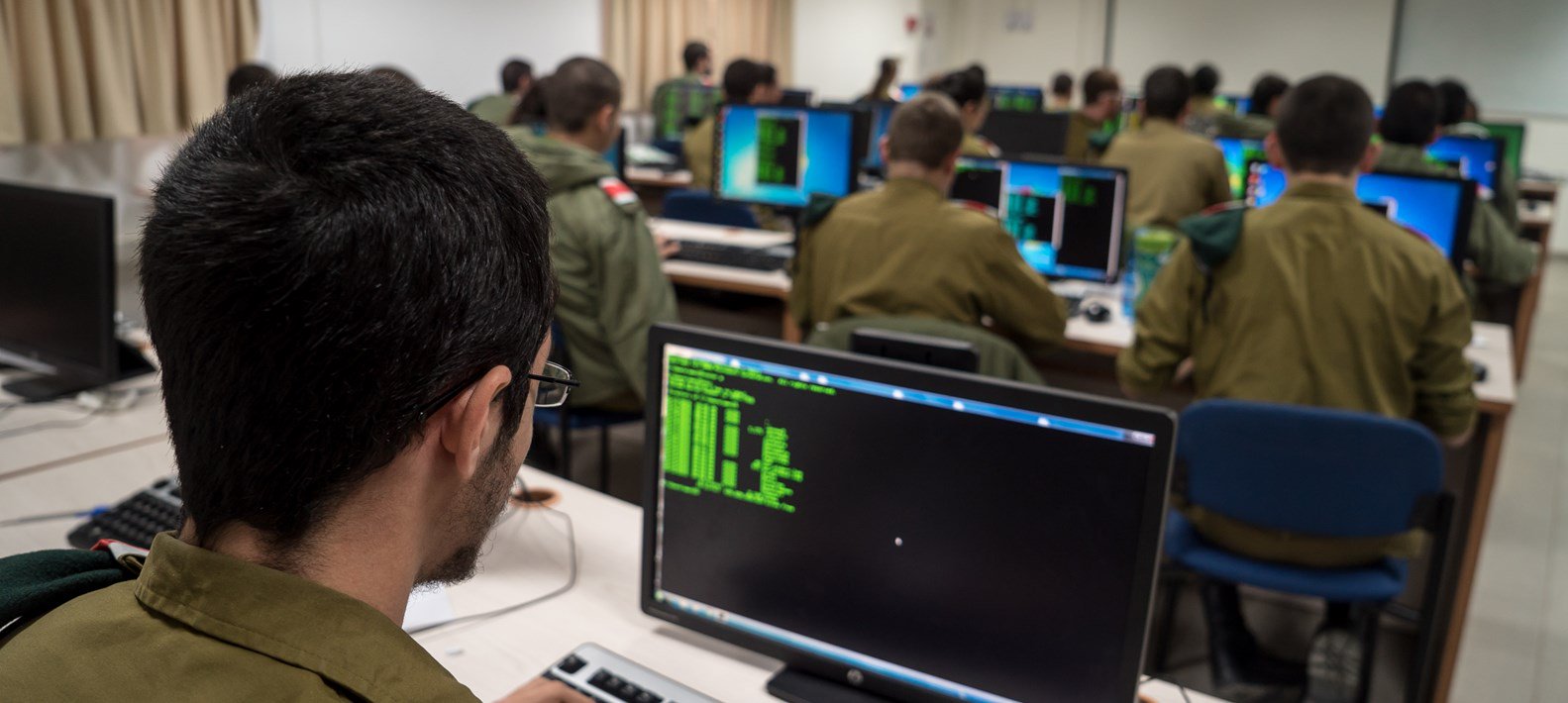
This article addresses the changes that have occurred in the intelligence work of the Israel Defense Forces (IDF) in the period following the information revolution of the 1990s, and examines how technological developments during this period have improved the intelligence process and how they have affected intelligence surprises. The article describes the effect of technological developments on each stage of the classic “intelligence cycle”—collection, processing, analysis, and dissemination. It also provides a comparative analysis of the processes before and after the information revolution, based on open sources. The technological changes have resulted in three main trends: 1) way in which classic intelligence work is done is changing; 2) the access of operational units to intelligence has improved; and 3) the room for intelligence surprises has become increasingly narrow.


The opinions expressed in INSS publications are the authors’ alone.
Publication Series Cyber, Intelligence, and Security
TopicsAdvanced Technologies and National Security
עברית

Events

All events
Iran, US, Israel, and the Global Jewish Community
10 March, 2026
12:00 - 13:00
Shutterstock

Related Publications

All publications
Shutterstock
Digital Sovereignty: A Conceptual Framework for Israel and Policy Recommendations
Digital sovereignty has, in recent years, become one of the central components of national power, economic resilience, and security. Artificial intelligence, cloud computing, data, and capital-intensive computing infrastructure constitute foundational elements for governmental, military, and economic activity. Accordingly, control over digital infrastructure is not merely a technological or economic issue but a strategic concern of the highest order. Israel, as a powerhouse of technological innovation, currently finds itself in a paradox. It is a leader in the development of advanced technologies and benefits from a highly developed technological ecosystem. At the same time, it is increasingly dependent on digital infrastructures controlled by foreign actors, including global cloud providers, semiconductor supply chains, and a regulatory framework that is not always aligned with the scale of investment, the risks involved, and the unique characteristics of strategic digital infrastructure. This situation presents Israel with a strategic challenge: how to preserve openness and innovation while ensuring control, resilience, and sovereignty over critical digital assets. This paper aims to present a conceptual framework for digital sovereignty, to identify principal policy challenges, and to propose an infrastructural and regulatory agenda for integrated implementation that balances public, economic, and security interests.  
23/02/26
Subsea Data Centers: An Opportunity for the State of Israel
What are the opportunities, risks, and challenges involved in establishing data centers—intended, in part, for AI applications—within the sea?
09/02/26
Laser Systems for Object Detection and Three-Dimensional Mapping
The laser is an auxiliary tool on the modern battlefield, used either as a weapon—such as a high-power laser—or as a supporting means, such as a target designator or range finder. One of the most prominent uses of lasers is as a type of sensor, or a kind of sensitive radar, for detecting stationary or moving objects and for highly accurate area mapping, in a system known as LiDAR (Light Detection and Ranging).
19/01/26

Stay up to date

Registration was successful! Thanks.
  • Research

    • Topics
      • Israel and the Global Powers
      • Israel-United States Relations
      • Glazer Israel-China Policy Center
      • Russia
      • Europe
      • Antisemitism and Delegitimization
      • Iran and the Shi'ite Axis
      • Operation Roaring Lion
      • Iran
      • Lebanon and Hezbollah
      • Syria
      • Yemen and the Houthi Movement
      • Iraq and the Iraqi Shiite Militias
      • Conflict to Agreements
      • Israeli-Palestinian Relations
      • Hamas and the Gaza Strip
      • Peace Agreements and Normalization in the Middle East
      • Saudi Arabia and the Gulf States
      • Turkey
      • Egypt
      • Jordan
      • Israel’s National Security Policy
      • Military and Strategic Affairs
      • Societal Resilience and the Israeli Society
      • Jewish-Arab Relations in Israel
      • Climate, Infrastructure and Energy
      • Terrorism and Low Intensity Conflict
      • Cross-Arena Research
      • Data Analytics Center
      • Law and National Security
      • Advanced Technologies and National Security
      • Foreign Information Manipulation and Interference
      • Economics and National Security
    • Projects
      • Preventing the Slide into a One-State Reality
  • Publications

    • All Publications
    • INSS Insight
    • Policy Papers
    • Special Publication
    • Strategic Assessment
    • Technology Platform
    • Memoranda
    • Database
    • Posts
    • Books
    • Archive
  • About

    • Vision and Mission
    • History
    • Research Disciplines
    • Chairman of the Board
    • Board of Directors
    • Fellowship and Prizes
    • Internships
    • Support
    • Privacy Policy and Terms of Use
  • Media

    • Communications
    • Video Gallery
    • Press Release
    • Podcast
  • Home

  • Events

  • Database

  • Team

  • Contact

  • Newsletter

  • עברית

INSS logo The Institute for National Security Studies, Strategic, Innovative, Policy-Oriented Research, go to the home page
40 Haim Levanon St. Tel Aviv, 6997556 Israel | Tel: 03-640-0400 | Fax: 03-744-7590 | Email: info@inss.org.il
Developed by Daat ,Yael Group.
Accessibility Statement
This site is protected by reCAPTCHA and the Google Privacy Policy and Terms of Service apply.
No audio version available for this podcast