


The Cognitive Campaign: The Second Lebanon War as a Case Study | INSS
go to header go to content go to footer go to search
INSS logo The Institute for National Security Studies, Strategic, Innovative, Policy-Oriented Research, go to the home page
INSS
Tel Aviv University logo - beyond an external website, opens on a new page
  • Campus
  • Contact
  • עברית
  • Support Us
  • Research
    • Topics
      • Israel and the Global Powers
        • Israel-United States Relations
        • Glazer Israel-China Policy Center
        • Russia
        • Europe
        • Antisemitism and Delegitimization
      • Iran and the Shi'ite Axis
        • The Campaign Against Iran and the Shiite Axis
        • Iran
        • Lebanon and Hezbollah
        • Syria
        • Yemen and the Houthi Movement
        • Iraq and the Iraqi Shiite Militias
      • Conflict to Agreements
        • Israeli-Palestinian Relations
        • Hamas and the Gaza Strip
        • Peace Agreements and Normalization in the Middle East
        • Saudi Arabia and the Gulf States
        • Turkey
        • Egypt
        • Jordan
      • Israel’s National Security Policy
        • Military and Strategic Affairs
        • Societal Resilience and the Israeli Society
        • Jewish-Arab Relations in Israel
        • Climate, Infrastructure and Energy
        • Terrorism and Low Intensity Conflict
      • Cross-Arena Research
        • Data Analytics Center
        • Law and National Security
        • Advanced Technologies and National Security
        • Foreign Information Manipulation and Interference
        • Economics and National Security
    • Projects
      • Preventing the Slide into a One-State Reality
      • India-Middle East-Europe Economic Corridor (IMEC)
  • Publications
    • -
      • All Publications
      • INSS Insight
      • Policy Research and Papers
      • Special Publication
      • Strategic Assessment
      • Technology Platform
      • Memoranda
      • Posts
      • Books
      • Archive
  • Database
    • Surveys
    • Spotlight
    • Maps
    • Dashboards
  • Events
  • Team
  • About
    • Vision and Mission
    • History
    • Research Disciplines
    • Chairman of the Board
    • Board of Directors
    • Fellowship and Prizes
    • Annual Reports
    • Internships
  • Media
    • Communications
    • Video gallery
    • Press Releases
  • Podcast
  • Newsletter
  • Campus
Search in site
  • Research
    • Topics
    • Israel and the Global Powers
    • Israel-United States Relations
    • Glazer Israel-China Policy Center
    • Russia
    • Europe
    • Antisemitism and Delegitimization
    • Iran and the Shi'ite Axis
    • The Campaign Against Iran and the Shiite Axis
    • Iran
    • Lebanon and Hezbollah
    • Syria
    • Yemen and the Houthi Movement
    • Iraq and the Iraqi Shiite Militias
    • Conflict to Agreements
    • Israeli-Palestinian Relations
    • Hamas and the Gaza Strip
    • Peace Agreements and Normalization in the Middle East
    • Saudi Arabia and the Gulf States
    • Turkey
    • Egypt
    • Jordan
    • Israel’s National Security Policy
    • Military and Strategic Affairs
    • Societal Resilience and the Israeli Society
    • Jewish-Arab Relations in Israel
    • Climate, Infrastructure and Energy
    • Terrorism and Low Intensity Conflict
    • Cross-Arena Research
    • Data Analytics Center
    • Law and National Security
    • Advanced Technologies and National Security
    • Foreign Information Manipulation and Interference
    • Economics and National Security
    • Projects
    • Preventing the Slide into a One-State Reality
    • India-Middle East-Europe Economic Corridor (IMEC)
  • Publications
    • All Publications
    • INSS Insight
    • Policy Research and Papers
    • Special Publication
    • Strategic Assessment
    • Technology Platform
    • Memoranda
    • Posts
    • Books
    • Archive
  • Database
    • Surveys
    • Spotlight
    • Maps
    • Dashboards
  • Events
  • Team
  • About
    • Vision and Mission
    • History
    • Research Disciplines
    • Chairman of the Board
    • Board of Directors
    • Fellowship and Prizes
    • Internships
    • Annual Reports
    • Privacy Policy and Terms of Use
  • Media
    • Communications
    • Video gallery
    • Press Releases
  • Podcast
  • Newsletter
  • Campus
  • Contact
  • עברית
  • Support Us
bool(false)

Publications

Home Publications Cyber, Intelligence, and Security The Cognitive Campaign: The Second Lebanon War as a Case Study

The Cognitive Campaign: The Second Lebanon War as a Case Study

Cyber, Intelligence, and Security, Volume 2, No. 2, September 2018

Follow us on Google
עברית
Pnina Shuker

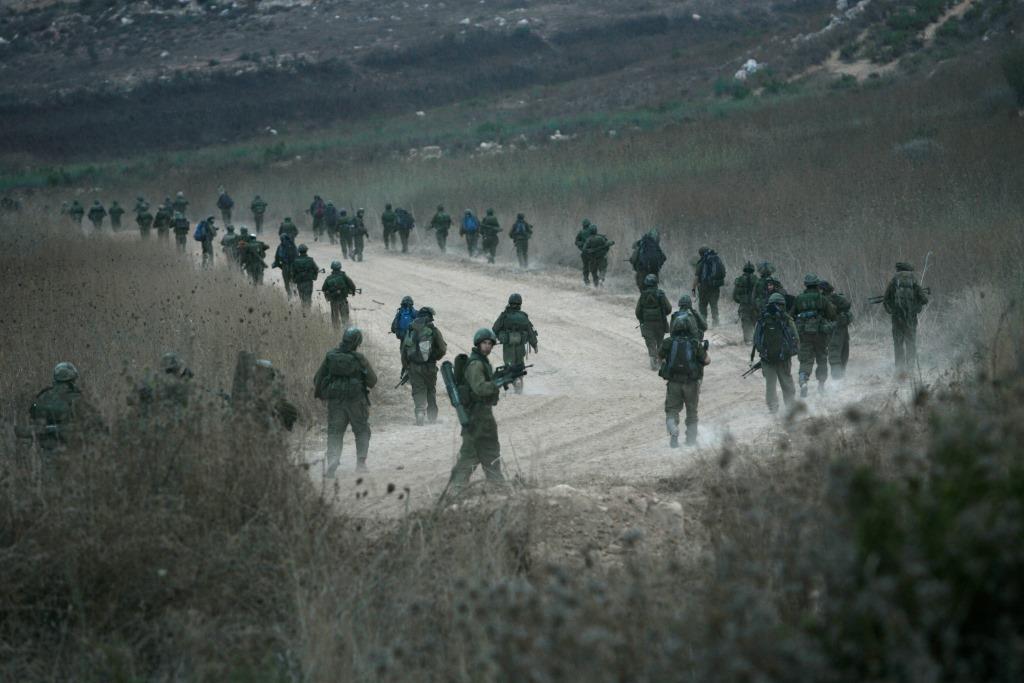
The aim of this article is to examine the way that leaders try to shape their society’s cognitive perceptions during war, with the assumption that society will not agree to unconditionally support a protracted war involving high casualties. Recognizing the necessity of large-scale public support of war, decision makers manipulate local public opinion so that it will justify the war and recognize the importance of the war’s objectives and the ostensible achievements that war could provide. This article demonstrates how this was manifested during the Second Lebanon War—to the point of endangering the ground troops of the Israel Defense Forces for objectives that were purely psychological—and points out the negative repercussions of waging a war at the strategic level and on its outcomes.


The opinions expressed in INSS publications are the authors’ alone.
Publication Series Cyber, Intelligence, and Security
TopicsForeign Information Manipulation and InterferenceData Analytics CenterMilitary and Strategic AffairsSocietal Resilience and the Israeli Society
עברית

Events

All events
Israel’s National Security Conference
27 July, 2026
10:00 - 14:00

Related Publications

All publications
Shutterstock
The Influence-Cybercrime Nexus
How Cybercriminal Infrastructure is Reshaping Authoritarian Operations Against Democracies
23/08/26
A Conceptual Failure: Following the State Comptroller's Report on Countering Foreign Interference in Elections
The State Comptroller’s latest report not only exposes deficiencies regarding foreign interference in Israeli elections, but also a deeper failure—a conceptual failure—that Israel must rectify ahead of the upcoming elections
13/07/26
Data Poisoning Primer: Foundations, Threat Models, and National Security Risks
Artificial intelligence is now integrated into the core of defense, intelligence, and economic operations, but its reliability depends entirely on the integrity of the data from which it learns. A new memorandum by Dr. Shay Hershkovitz examines one of the most significant vulnerabilities in the AI era: “data poisoning”—the covert and intentional manipulation of datasets or models. The memorandum demonstrates how this threat goes beyond a technical cyber problem and constitutes a profound strategic and cognitive threat. Adversaries can exploit these vulnerabilities to embed “dormant poisoning,” which remains inactive during routine operations but distorts decision-making processes in moments of crisis. The memorandum analyzes the dimensions of this asymmetric threat and presents a series of strategic recommendations for building national and institutional resilience against this challenge.
08/07/26

Stay up to date

Registration was successful! Thanks.
  • Research

    • Topics
      • Israel and the Global Powers
      • Israel-United States Relations
      • Glazer Israel-China Policy Center
      • Russia
      • Europe
      • Antisemitism and Delegitimization
      • Iran and the Shi'ite Axis
      • The Campaign Against Iran and the Shiite Axis
      • Iran
      • Lebanon and Hezbollah
      • Syria
      • Yemen and the Houthi Movement
      • Iraq and the Iraqi Shiite Militias
      • Conflict to Agreements
      • Israeli-Palestinian Relations
      • Hamas and the Gaza Strip
      • Peace Agreements and Normalization in the Middle East
      • Saudi Arabia and the Gulf States
      • Turkey
      • Egypt
      • Jordan
      • Israel’s National Security Policy
      • Military and Strategic Affairs
      • Societal Resilience and the Israeli Society
      • Jewish-Arab Relations in Israel
      • Climate, Infrastructure and Energy
      • Terrorism and Low Intensity Conflict
      • Cross-Arena Research
      • Data Analytics Center
      • Law and National Security
      • Advanced Technologies and National Security
      • Foreign Information Manipulation and Interference
      • Economics and National Security
    • Projects
      • Preventing the Slide into a One-State Reality
      • India-Middle East-Europe Economic Corridor (IMEC)
  • Publications

    • All Publications
    • INSS Insight
    • Policy Research and Papers
    • Special Publication
    • Strategic Assessment
    • Technology Platform
    • Memoranda
    • Database
    • Posts
    • Books
    • Archive
  • About

    • Vision and Mission
    • History
    • Research Disciplines
    • Chairman of the Board
    • Board of Directors
    • Fellowship and Prizes
    • Internships
    • Annual Reports
    • Support
    • Privacy Policy and Terms of Use
  • Media

    • Communications
    • Video Gallery
    • Press Release
    • Podcast
  • Home

  • Events

  • Database

  • Team

  • Contact

  • Newsletter

  • עברית

INSS logo The Institute for National Security Studies, Strategic, Innovative, Policy-Oriented Research, go to the home page
40 Haim Levanon St. Tel Aviv, 6997556 Israel | Tel 03-640-0400 | Fax 03-744-7590 |
Developed by Daat ,Yael Group.
Accessibility Statement
This site is protected by reCAPTCHA and the Google Privacy Policy and Terms of Service apply.