


Publications
Special Publication, September 14, 2026
Follow us on GoogleJewish terrorism has evolved from a local enforcement problem into a distinct strategic threat to the State of Israel and its democratic character. The destructive combination of inadequate enforcement, a lack of political backing for the security agencies, and the weakness of the judicial and law enforcement systems is creating a reality marked by lawlessness, non-recognition of state institutions, and the loss of the state’s monopoly on the use of force. The lack of a decisive Israeli response to this phenomenon constitutes evidence that it is a policy directed from above.
This reality poses a multidimensional threat to Israel: a security threat—diverting the IDF’s attention and forces toward confronting Jewish terrorism at the expense of defense needs in other arenas, while subjecting the military to ongoing operational strain. In addition, the risk of a violent uprising in Judea and Samaria is growing, alongside the collapse of Palestinian stabilizing mechanisms; a governance and societal threat—weakening law enforcement systems, eroding respect for state-mindedness and allowing violence to seep dangerously into Israeli society in a manner that could paralyze the functioning of the state; and an international threat—Israel’s portrayal as an aggressive, oppressive, and racist state is undermining the legitimacy of its use of force, severely damaging its standing in the region and worldwide, and raising the risk of acute diplomatic isolation.
We warn of a threat to Israel’s very ability to govern and function. As history teaches us, democracies that fail to restrain radical forces within them do not survive.
Escalation Trends and Helplessness of the Security Establishment—the IDF, Shin Bet (Israel Security Agency) and Israel Police
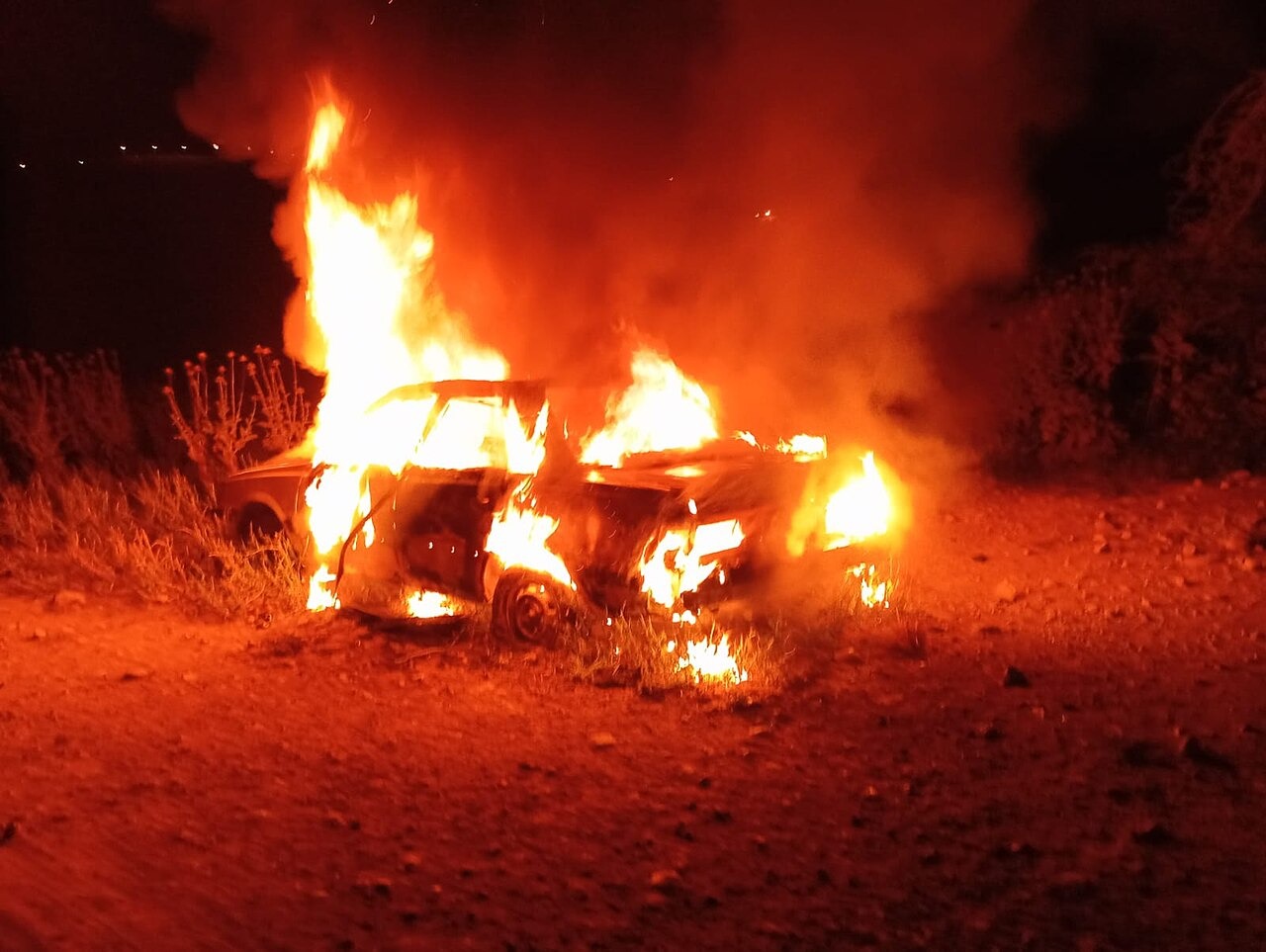
- Surge in Jewish nationalist crime: According to data from the security establishment, 660 incidents of nationalist crime were recorded in the first half of 2026—a 63% increase compared to the second half of 2025 (405 incidents), and a 50% increase compared to the corresponding period last year. Casualties and property damage were also recorded: in the first half of 2026, 140 Palestinians were injured and 6 were killed in acts of Jewish terrorism. The UN Office for the Coordination of Humanitarian Affairs (OCHA) reports an average of 6 incidents per day—a record number of settler attacks resulting in casualties or property damage. Pressure and violence have displaced thousands of Palestinians from herding and farming communities in Area C.
- Direct harm to Israeli security forces: Targeted attacks by settlers against soldiers and police officers rose by approximately 36%, with 45 incidents recorded in the first half of 2026, compared to 33 during the corresponding period in 2025. The incidents included stone-throwing at IDF forces, physical confrontations, road blockades, slashing the tires of military vehicles (including those belonging to battalion commanders), and interference with forces carrying out evacuation or security missions. In closed-door discussions, senior officers in the Central Command have reported that as many as 80% of log entries among certain brigades concern Jewish nationalist crime. The need to divert force deployment to manage these confrontations has forced the military to cancel planned arrests of wanted Palestinian suspects.
The Collapse of Israel’s Self-Conception
The problem lies not only in the growing scale of the violence, but also in inadequate enforcement and the tailwind that enables it. The lack of consistent political backing for the IDF, the Shin Bet, and the Israel police weakens their ability to disrupt and eradicate the phenomenon. Ostensibly, approval has been granted to the concept that sustained pressure can be exerted on Palestinian communities, Palestinian buildings in Area C may be demolished and set on fire, and realities on the ground may be altered, all in order to drive out Palestinians who live and work in Area C and prepare the territory for the application of Israeli sovereignty. The central failure is this conduct, which constitutes a moral stain. Beyond that, it suffers from a disregard for the chain of reactions and accompanying consequences, both in the Israeli domestic arena and in the international arena.
The commander of the IDF Central Command, Maj. Gen. Avi Bluth, has noted in letters and meetings that the violence “does not occur in a vacuum and is fueled by public support.” The IDF maintains that the failure of rabbis, settlement leaders, and politicians to issue unequivocal condemnations legitimizes extremist activists on the ground. In this way, acts of revenge by Jews in response to Palestinian terrorism are increasingly normalized and legitimized, even though they indiscriminately harm innocent people.
Central Command officers have also acknowledged that they are “failing every day to uphold the law” due to insufficient authority and a lack of legal and enforcement tools. Activists who are issued restraining orders or arrested are released by the courts shortly afterward and return to the field. An analysis of law enforcement data regarding Israeli citizens in Judea and Samaria (2005–2025) shows that approximately 94% of investigation files opened following ideologically motivated offenses are closed without an indictment. Only about 3% of all cases result in a conviction. The lack of political backing for the military and the failure to condemn the phenomenon also embolden activists.
The extensive deployment of Territorial Defense Units and community security emergency squads—staffed by armed local residents serving as reservists in the areas where they live—blurs the boundary between the civilian and military-operational spheres and intensifies friction. Officers report that efforts to uphold the rule of law are met with accusations of engaging in "October 6th discourse" or being labeled as "leftist."
Jewish terrorism is intertwined with what the international community refers to as "state-sponsored violence." The takeover of land through "agricultural farms" and illegal outposts serves as a central means of dispossessing Palestinians of their land, with support provided through state budgets and infrastructure. These actions advance the "Decisive Plan" and create the conditions for the expulsion of Palestinians and the application of sovereignty over Judea and Samaria. In this reality, restraining Jewish terrorists is perceived as contradicting the government’s policy in deepening Israel's hold on the territory.
Israel cannot regard itself as a state governed by the rule of law, with a nonpartisan military and a system characterized by shared responsibility and mutual backing among its sub-systems (the military, police, Shin Bet, and government), while simultaneously acquiescing to selective enforcement, standing idly by, and blurring the facts. When ideologically motivated violence enjoys de facto immunity or political backing, command authority, military discipline, and the state’s monopoly on the use of force are eroded.
Blindness Regarding the Impact of Jewish Terrorism on the Strategic Environment
Terrorism and violence against Palestinians in Judea and Samaria, alongside the displacement of communities and damage to their livelihoods, are eroding the Palestinian Authority's legitimacy and its ability to protect the population under its responsibility. These developments are compounded by deliberate measures to weaken the PA, including the withholding of clearance revenues, which have exacerbated its fiscal crisis and left it able to pay only 50%–70% of its employees’ salaries. This policy, which aligns with the aspirations of certain Israeli actors to weaken the PA and even bring about its collapse, fails to take into account its full ramifications for Israel: from the need to assume responsibility for the needs of approximately three million Palestinians to the deepening of Israel's isolation in the regional and international arenas and growing calls for its boycott.
Furthermore, the PA's loss of governance creates an immediate security threat. As its ability to protect the Palestinian population weakens, concerns grow that its security apparatuses will cease counterterrorism operations, coordination, and cooperation with the IDF and may even turn their weapons against soldiers and Israelis in the area in response to attacks on Palestinians. At the same time, the governance vacuum and the damage to Palestinian territorial contiguity encourage the resurgence of armed groups—such as the Tanzim or local cells—that do not answer to the PA and are liable to organize acts of revenge and violent responses to Jewish attacks on villages.
Allocating IDF forces to confront Jewish rioters undermines the military’s operational focus and diminishes the order of battle available to thwart Palestinian terrorism and carry out missions in other arenas. This creates a self-reinforcing cycle: Jewish terrorism weakens the stabilizing mechanisms in the Judea and Samaria arena, heightens Palestinian motivation to engage in violence, and necessitates more extensive Israeli military action. This, in turn, increases the number of casualties and friction, making it difficult to distinguish between the innocent population and terrorist elements. The escalation could also spill over into East Jerusalem, particularly the Temple Mount, which is already subject to provocations by Jewish extremists, as well as into Israel itself and other arenas. It could also provide Iran, Hezbollah, the Houthis, Shiite militias, Turkey, and Qatar with further opportunities and incentives to act against Israel through a range of means.
Regional and international consequences: The friction and intensifying violent incidents in Judea and Samaria make it difficult for Jordan and Egypt to maintain security coordination with Israel. They also diminish the prospects of expanding the "Abraham Accords" to additional countries and establishing regional cooperation against Iran. Moreover, Jewish terrorism, together with an unchecked settlement policy, has become one of the most effective instruments in the international campaign against Israel. This campaign portrays Israel as an aggressive, oppressive, and racist state that effectively advances ideas of ethnic cleansing of Palestinians. The lack of a decisive Israeli response to this phenomenon constitutes evidence that this is a policy directed from above which, in practice, increases exposure to potential sanctions against individuals and entities in the State of Israel, legal and diplomatic pressure, and heightened scrutiny of other countries’ security and economic cooperation with Israel. The longer Jewish terrorism continues without an effective response to eradicate it—and the more state authorities’ failure and lack of resolve in confronting it become increasingly apparent—the more difficult it will become for Israel to frame its actions in other arenas, including Lebanon, the Gaza Strip, and Syria, as acts of self-defense, and to mobilize support from the United States and Europe.
In conclusion, nationalist Jewish terrorism and crime constitute a strategic threat capable of undermining the national security of the State of Israel, the rule of law, its democratic foundations, and core humanistic values anchored both in Jewish tradition and the Declaration of Independence. Acquiescence to a reality characterized by damaged governance and disregard for the law, coupled with the ineffectiveness of the security and law enforcement systems and the erosion of state-mindedness, gravely impairs Israel’s ability to function as a responsible state governed by the rule of law and exercising control over the force used in its name. This helplessness accelerates the breakdown of Israel’s internal systems, erodes its legitimacy, isolates it in the international arena, and severely damages its standing within the community of nations. As historical experience teaches, a democracy that surrenders its duty to defend itself and enforce the law against radical forces within it jeopardizes its very survival.
Essential and Immediate Courses of Action:
- Decisive action against Jewish terrorism and nationalist crime: The security establishment and law enforcement agencies must act systematically, consistently, and impartially to prevent and thwart nationalist violence, investigate incidents, and prosecute those responsible. The state has significant operational, intelligence, and legal tools at its disposal. These tools must be deployed in a coordinated manner, supported by adequate resources, and their effectiveness must be evaluated based on measurable results.
- Establishment of an inter-agency task force: A permanent operational and intelligence task force should be established, bringing together the IDF Central Command, the Israel Police Judea and Samaria District, the Shin Bet, the Civil Administration, and the State Attorney's Office. The task force should operate on the basis of a shared intelligence picture, measurable objectives and timetables, and clearly defined responsibilities. Operational activities should be coordinated with the commander of the IDF Central Command.
- Political backing for law enforcement: The political leadership must provide the IDF, the Shin Bet, the police, and the prosecution authorities with clear public and practical support in exercising their lawful powers. This includes refraining from political interference in individual enforcement decisions and from delegitimizing commanders, investigators, and prosecutors for performing their duties. The gaps between the evolving nature of the threat and the ability of the security and law enforcement systems to respond effectively must be systematically assessed, distinguishing among gaps in authority, policy, resources, and implementation. Where the existing framework does not provide an adequate response, the necessary adjustments should be made to strengthen enforcement mechanisms and, where necessary, to develop and advance additional authorities in a targeted and proportionate manner, subject to judicial review.
- Full subordination of settlement defense structures to state authority: The roles of the territorial defense battalions and community security emergency squads must be precisely defined, the limits of their authority clarified, and their activities restricted to defending communities and carrying out missions expressly authorized by the IDF. They must be prohibited from independently participating in law enforcement operations, confrontations, or civilian or ideological activities outside the military chain of command. Training, command and oversight, documentation, and reporting mechanisms should be strengthened, including with regard to their activities and their use of weapons and equipment provided by the state.
- Immediate enforcement against unauthorized outposts and encroachments: Illegal outposts established in Area B (approximately 26, according to recent data) must be evacuated without delay, prioritizing focal points of friction and violence. Where legal conditions permit, expedited procedures for the removal of recent unlawful encroachments should be used, with binding timelines and a requirement to provide written justification for any delay. In area A, existing prohibitions on entry must be strictly enforced. In Area B, closed military zone orders or targeted exclusion orders should be issued as necessary, based on risk assessments.
- Proportionate use of administrative measures and enforcement of restriction orders: The use of administrative detention against Israelis should be permitted only in exceptional cases involving severe and immediate security dangers where no effective alternative is available through the criminal justice process, and subject to judicial review. At the same time, compliance with exclusion and restriction orders must be strictly enforced. Subject to case-specific authorization and legal oversight, technological monitoring tools should be employed to prevent violations of these orders.
- Confiscation of equipment and assets from those using them illegally: Authorizations to use weapons, vehicles, ATVs, communications devices, and other state-provided resources should be immediately suspended where there is an evidentiary basis indicating that they have been used to commit acts of violence against IDF forces or Palestinian civilians. Following an individualized review, such equipment should be returned to the state, licenses revoked as necessary, and criminal or disciplinary proceedings initiated. These measures are not intended to deny settlers their lawful right to self-defense.
- Stabilization of the Palestinian arena and prevention of the collapse of the Palestinian Authority: A policy must be formulated to prevent the PA’s economic and institutional collapse, which would create a governance and security vacuum, intensify the cycle of violence, and increase the burden on Israel. This policy should include regulating the transfer of clearance revenues, expanding economic activity and employment subject to security vetting, strengthening the PA security mechanisms in coordination with Israel, and mobilizing international support. These measures should be accompanied by demands for PA governance reforms, budgetary transparency, and stronger action against incitement and the financing of terrorism.
- Restoration of international credibility: Alongside enforcement, there is a need for clear political condemnation, transparency regarding the measures taken and their outcomes, proactive dialogue with allies and international actors, and action to address the entities and infrastructures fueling the violence. The goal is not to "improve Israel's image," but to restore confidence in Israel as a state governed by the rule of law—a prerequisite for strengthening the willingness of its allies to stand by it in the international arena and for preserving its freedom of action on security matters.