


The Russian and Iranian Missile Threats: Implications for NATO Missile Defense | INSS
go to header go to content go to footer go to search
INSS logo The Institute for National Security Studies, Strategic, Innovative, Policy-Oriented Research, go to the home page
INSS
Tel Aviv University logo - beyond an external website, opens on a new page
  • Campus
  • Contact
  • עברית
  • Support Us
  • Research
    • Topics
      • Israel and the Global Powers
        • Israel-United States Relations
        • Glazer Israel-China Policy Center
        • Russia
        • Europe
        • Antisemitism and Delegitimization
      • Iran and the Shi'ite Axis
        • Operation Roaring Lion
        • Iran
        • Lebanon and Hezbollah
        • Syria
        • Yemen and the Houthi Movement
        • Iraq and the Iraqi Shiite Militias
      • Conflict to Agreements
        • Israeli-Palestinian Relations
        • Hamas and the Gaza Strip
        • Peace Agreements and Normalization in the Middle East
        • Saudi Arabia and the Gulf States
        • Turkey
        • Egypt
        • Jordan
      • Israel’s National Security Policy
        • Military and Strategic Affairs
        • Societal Resilience and the Israeli Society
        • Jewish-Arab Relations in Israel
        • Climate, Infrastructure and Energy
        • Terrorism and Low Intensity Conflict
      • Cross-Arena Research
        • Data Analytics Center
        • Law and National Security
        • Advanced Technologies and National Security
        • Foreign Information Manipulation and Interference
        • Economics and National Security
    • Projects
      • Preventing the Slide into a One-State Reality
  • Publications
    • -
      • All Publications
      • INSS Insight
      • Policy Papers
      • Special Publication
      • Strategic Assessment
      • Technology Platform
      • Memoranda
      • Posts
      • Books
      • Archive
  • Database
    • Surveys
    • Spotlight
    • Maps
    • Dashboards
  • Events
  • Team
  • About
    • Vision and Mission
    • History
    • Research Disciplines
    • Chairman of the Board
    • Board of Directors
    • Fellowship and Prizes
    • Internships
  • Media
    • Communications
    • Video gallery
    • Press Releases
  • Podcast
  • Newsletter
  • Campus
Search in site
  • Research
    • Topics
    • Israel and the Global Powers
    • Israel-United States Relations
    • Glazer Israel-China Policy Center
    • Russia
    • Europe
    • Antisemitism and Delegitimization
    • Iran and the Shi'ite Axis
    • Operation Roaring Lion
    • Iran
    • Lebanon and Hezbollah
    • Syria
    • Yemen and the Houthi Movement
    • Iraq and the Iraqi Shiite Militias
    • Conflict to Agreements
    • Israeli-Palestinian Relations
    • Hamas and the Gaza Strip
    • Peace Agreements and Normalization in the Middle East
    • Saudi Arabia and the Gulf States
    • Turkey
    • Egypt
    • Jordan
    • Israel’s National Security Policy
    • Military and Strategic Affairs
    • Societal Resilience and the Israeli Society
    • Jewish-Arab Relations in Israel
    • Climate, Infrastructure and Energy
    • Terrorism and Low Intensity Conflict
    • Cross-Arena Research
    • Data Analytics Center
    • Law and National Security
    • Advanced Technologies and National Security
    • Foreign Information Manipulation and Interference
    • Economics and National Security
    • Projects
    • Preventing the Slide into a One-State Reality
  • Publications
    • All Publications
    • INSS Insight
    • Policy Papers
    • Special Publication
    • Strategic Assessment
    • Technology Platform
    • Memoranda
    • Posts
    • Books
    • Archive
  • Database
    • Surveys
    • Spotlight
    • Maps
    • Dashboards
  • Events
  • Team
  • About
    • Vision and Mission
    • History
    • Research Disciplines
    • Chairman of the Board
    • Board of Directors
    • Fellowship and Prizes
    • Internships
    • Privacy Policy and Terms of Use
  • Media
    • Communications
    • Video gallery
    • Press Releases
  • Podcast
  • Newsletter
  • Campus
  • Contact
  • עברית
  • Support Us
bool(false)

Publications

Home Publications Memoranda The Russian and Iranian Missile Threats: Implications for NATO Missile Defense

The Russian and Iranian Missile Threats: Implications for NATO Missile Defense

Memorandum No. 143 Tel Aviv: Institute for National Security Studies, November 2014
Azriel Bermant
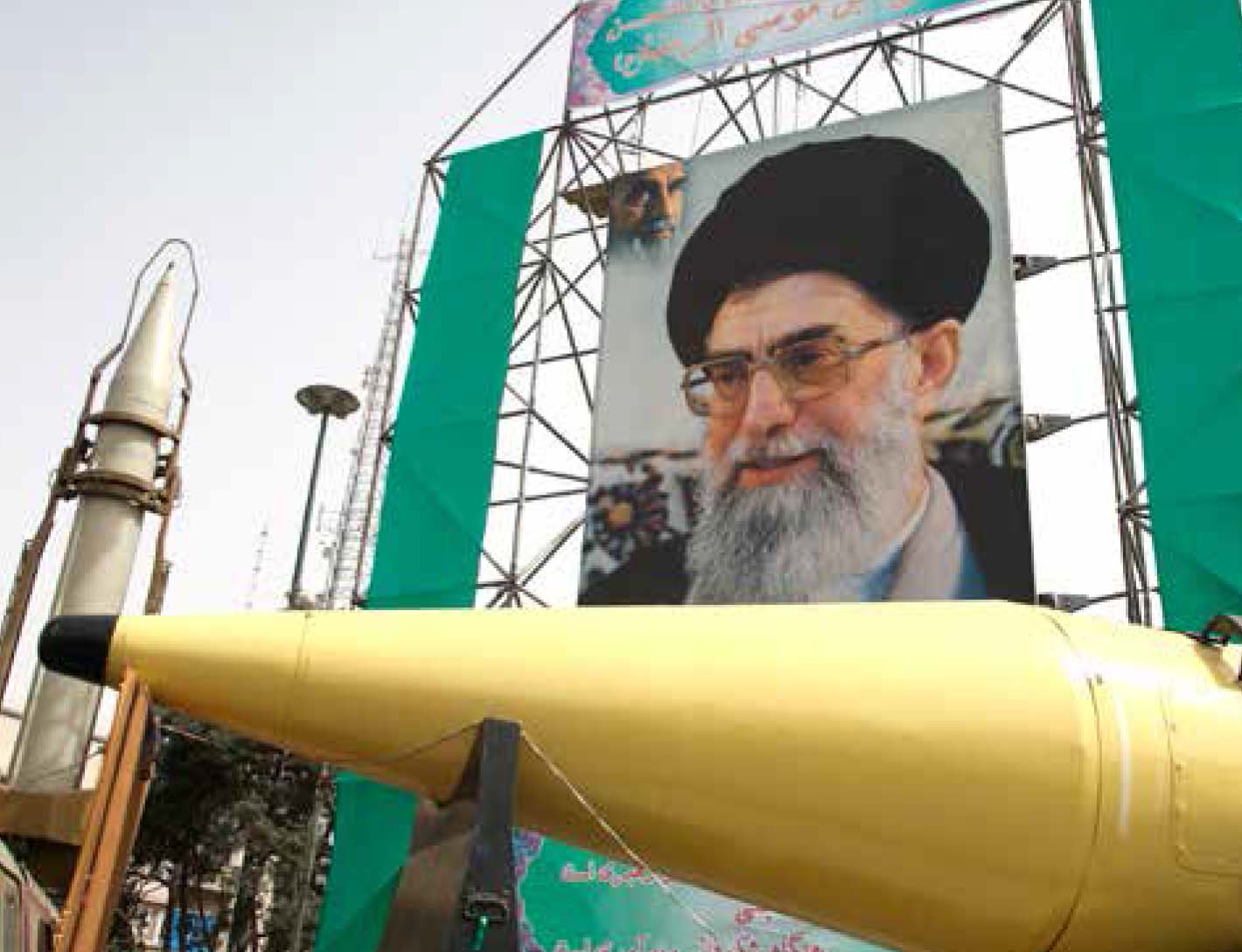
Iranian Shahab-2 (L) and Shahab-3 missiles on display in front of a large portrait of Supreme Leader Ayatollah Ali Khamenei. Photo: AFP/Getty Images
As tensions rise over Ukraine, NATO is making preparations for the deployments of a ballistic missile defense (BMD) system in Romania in 2015 and in Poland in 2018. The United States and NATO claim that the missile defense shield is not directed at Russia, but is designed to deal with the dual threat of ballistic missiles and weapons of mass destruction emanating from the Middle East. Russia, on the other hand, has consistently maintained that the anti-missile shield is directed at its own strategic nuclear forces, as NATO’s planned deployments in Eastern Europe reinforce the Kremlin’s resentment over what it perceives as Western penetration into its “near abroad.” The monograph provides an in-depth exploration of the ongoing controversy over the NATO BMD system in Europe and argues that the very high cost of maintaining the system is justified in terms of its ability to mitigate damage, provide greater flexibility for national leaders, strengthen the morale of vulnerable populations, and devalue the threats posed by revisionist states.

Click here for the full text.

Executive Summary
This paper explores in depth the ongoing controversy over the NATO ballistic missile defense (BMD) system in Europe. In previous decades, Russia had expressed objections to US missile defense systems, but was particularly unhappy with the plan of President George W. Bush to deploy a missile defense shield in Eastern Europe. Although the Obama administration scrapped Bush’s BMD system in 2009, it has unveiled a BMD system of its own which Russia has continued to oppose.

The United States and NATO claim that the system is designed to deal with the dual threat of ballistic missiles and weapons of mass destruction (WMD) emanating from the Middle East. While NATO has not stated explicitly that the system is intended to defend Europe from an Iranian threat, the United States has suggested that Tehran is indeed a significant threat to the alliance, and that countermeasures are required to address this. However, Russia has never accepted this claim, and maintains that the BMD system is directed at its own strategic nuclear forces. The NATO plans to deploy BMD systems in Romania in 2015 and Poland in 2018 reinforce the Kremlin’s resentment over what it perceives as Western penetration into its “near abroad.”

In recent years, both NATO and Russia have explored the notion of cooperation over BMD. Indeed, this study accepts the argument presented by many experts in the field that both parties have a vested interest in working together to address the growing threat of ballistic missiles in the hands of revisionist regimes. In spite of the Kremlin’s public skepticism over the threat from Tehran, there is evidence to suggest that Russia’s military echelon has concerns of its own over a nuclear Iran armed with ballistic missiles, and has already taken steps to address this problem.

Nevertheless, it is likely that Russia, under the leadership of Vladimir Putin, will view the ongoing differences of opinion over BMD as means to rally support against the West, as tensions over Ukraine escalate. Indeed, the strong disagreements on BMD are part and parcel of the more general mistrust between Washington and Moscow, related in part to Putin’s anger  and resentment over the legacy of NATO’s expansion eastwards following the collapse of the Soviet Union. For a country such as Poland, it is the presence of US forces on its territory which constitutes the security guarantee, rather than the actual BMD system itself. This paper argues that BMD is more a reflection of the tensions between NATO and Russia than a direct cause of these difficulties.

This paper also maintains that a comprehensive agreement between the P5+1 and Iran is unlikely to have an impact on the NATO BMD system. In the unlikely event that Iran were to dismantle its nuclear program, NATO would remain concerned over its ballistic missiles and threats from other parts of the Middle East. Furthermore, as Russia reasserts its military power in its “near abroad,” the United States can ill afford to withdraw its security commitments to countries such as Romania and Poland that will soon be hosting BMD assets on their soil.

In spite of the very high cost of maintaining the NATO BMD system, this paper argues that it is justified in terms of its ability to mitigate damage, provide greater flexibility for national leaders, strengthen the morale of vulnerable populations and devalue the threats posed by revisionist states. Israel’s own experience in the field of missile defense reinforces the argument that defensive systems can strengthen public morale and provide a greater range of options for national leaders. BMD systems in general cannot be an alternative to deterrence, but they can certainly complement it. 

The opinions expressed in INSS publications are the authors’ alone.
Publication Series Memoranda

Events

All events
Iraq – What Looms Ahead?
20 January, 2026
12:00 - 13:00

Related Publications

All publications
IMAGO/Hamza Ali via Reuters Connect
Why All Is Quiet on the Yemeni Front
What explains the lack of documented projectile launches from Yemen toward Israel?
08/03/26
Findings of the Flash Survey on Operation Roaring Lion
05/03/26
REUTERS and IDF Spokesperson's Unit (modified by INSS)
Trump’s Decisive Juncture in the Campaign Against Iran and the Implications for Israel
A protracted war or a freeze in the campaign: What options are available to the US president in the Iranian arena, what might influence his decision—and how should Israel prepare?
05/03/26

Stay up to date

Registration was successful! Thanks.
  • Research

    • Topics
      • Israel and the Global Powers
      • Israel-United States Relations
      • Glazer Israel-China Policy Center
      • Russia
      • Europe
      • Antisemitism and Delegitimization
      • Iran and the Shi'ite Axis
      • Operation Roaring Lion
      • Iran
      • Lebanon and Hezbollah
      • Syria
      • Yemen and the Houthi Movement
      • Iraq and the Iraqi Shiite Militias
      • Conflict to Agreements
      • Israeli-Palestinian Relations
      • Hamas and the Gaza Strip
      • Peace Agreements and Normalization in the Middle East
      • Saudi Arabia and the Gulf States
      • Turkey
      • Egypt
      • Jordan
      • Israel’s National Security Policy
      • Military and Strategic Affairs
      • Societal Resilience and the Israeli Society
      • Jewish-Arab Relations in Israel
      • Climate, Infrastructure and Energy
      • Terrorism and Low Intensity Conflict
      • Cross-Arena Research
      • Data Analytics Center
      • Law and National Security
      • Advanced Technologies and National Security
      • Foreign Information Manipulation and Interference
      • Economics and National Security
    • Projects
      • Preventing the Slide into a One-State Reality
  • Publications

    • All Publications
    • INSS Insight
    • Policy Papers
    • Special Publication
    • Strategic Assessment
    • Technology Platform
    • Memoranda
    • Database
    • Posts
    • Books
    • Archive
  • About

    • Vision and Mission
    • History
    • Research Disciplines
    • Chairman of the Board
    • Board of Directors
    • Fellowship and Prizes
    • Internships
    • Support
    • Privacy Policy and Terms of Use
  • Media

    • Communications
    • Video Gallery
    • Press Release
    • Podcast
  • Home

  • Events

  • Database

  • Team

  • Contact

  • Newsletter

  • עברית

INSS logo The Institute for National Security Studies, Strategic, Innovative, Policy-Oriented Research, go to the home page
40 Haim Levanon St. Tel Aviv, 6997556 Israel | Tel: 03-640-0400 | Fax: 03-744-7590 | Email: info@inss.org.il
Developed by Daat ,Yael Group.
Accessibility Statement
This site is protected by reCAPTCHA and the Google Privacy Policy and Terms of Service apply.
No audio version available for this podcast