


Political Infighting and Its Effect on Deterrence: The Eshkol Government prior to the Six Day War | INSS
go to header go to content go to footer go to search
INSS logo The Institute for National Security Studies, Strategic, Innovative, Policy-Oriented Research, go to the home page
INSS
Tel Aviv University logo - beyond an external website, opens on a new page
  • Campus
  • Contact
  • עברית
  • Support Us
  • Research
    • Topics
      • Israel and the Global Powers
        • Israel-United States Relations
        • Glazer Israel-China Policy Center
        • Russia
        • Europe
        • Antisemitism and Delegitimization
      • Iran and the Shi'ite Axis
        • Operation Roaring Lion
        • Iran
        • Lebanon and Hezbollah
        • Syria
        • Yemen and the Houthi Movement
        • Iraq and the Iraqi Shiite Militias
      • Conflict to Agreements
        • Israeli-Palestinian Relations
        • Hamas and the Gaza Strip
        • Peace Agreements and Normalization in the Middle East
        • Saudi Arabia and the Gulf States
        • Turkey
        • Egypt
        • Jordan
      • Israel’s National Security Policy
        • Military and Strategic Affairs
        • Societal Resilience and the Israeli Society
        • Jewish-Arab Relations in Israel
        • Climate, Infrastructure and Energy
        • Terrorism and Low Intensity Conflict
      • Cross-Arena Research
        • Data Analytics Center
        • Law and National Security
        • Advanced Technologies and National Security
        • Foreign Information Manipulation and Interference
        • Economics and National Security
    • Projects
      • Preventing the Slide into a One-State Reality
  • Publications
    • -
      • All Publications
      • INSS Insight
      • Policy Papers
      • Special Publication
      • Strategic Assessment
      • Technology Platform
      • Memoranda
      • Posts
      • Books
      • Archive
  • Database
    • Surveys
    • Spotlight
    • Maps
    • Dashboards
  • Events
  • Team
  • About
    • Vision and Mission
    • History
    • Research Disciplines
    • Chairman of the Board
    • Board of Directors
    • Fellowship and Prizes
    • Internships
  • Media
    • Communications
    • Video gallery
    • Press Releases
  • Podcast
  • Newsletter
  • Campus
Search in site
  • Research
    • Topics
    • Israel and the Global Powers
    • Israel-United States Relations
    • Glazer Israel-China Policy Center
    • Russia
    • Europe
    • Antisemitism and Delegitimization
    • Iran and the Shi'ite Axis
    • Operation Roaring Lion
    • Iran
    • Lebanon and Hezbollah
    • Syria
    • Yemen and the Houthi Movement
    • Iraq and the Iraqi Shiite Militias
    • Conflict to Agreements
    • Israeli-Palestinian Relations
    • Hamas and the Gaza Strip
    • Peace Agreements and Normalization in the Middle East
    • Saudi Arabia and the Gulf States
    • Turkey
    • Egypt
    • Jordan
    • Israel’s National Security Policy
    • Military and Strategic Affairs
    • Societal Resilience and the Israeli Society
    • Jewish-Arab Relations in Israel
    • Climate, Infrastructure and Energy
    • Terrorism and Low Intensity Conflict
    • Cross-Arena Research
    • Data Analytics Center
    • Law and National Security
    • Advanced Technologies and National Security
    • Foreign Information Manipulation and Interference
    • Economics and National Security
    • Projects
    • Preventing the Slide into a One-State Reality
  • Publications
    • All Publications
    • INSS Insight
    • Policy Papers
    • Special Publication
    • Strategic Assessment
    • Technology Platform
    • Memoranda
    • Posts
    • Books
    • Archive
  • Database
    • Surveys
    • Spotlight
    • Maps
    • Dashboards
  • Events
  • Team
  • About
    • Vision and Mission
    • History
    • Research Disciplines
    • Chairman of the Board
    • Board of Directors
    • Fellowship and Prizes
    • Internships
    • Privacy Policy and Terms of Use
  • Media
    • Communications
    • Video gallery
    • Press Releases
  • Podcast
  • Newsletter
  • Campus
  • Contact
  • עברית
  • Support Us
bool(false)

Publications

Home Publications Chapters Political Infighting and Its Effect on Deterrence: The Eshkol Government prior to the Six Day War

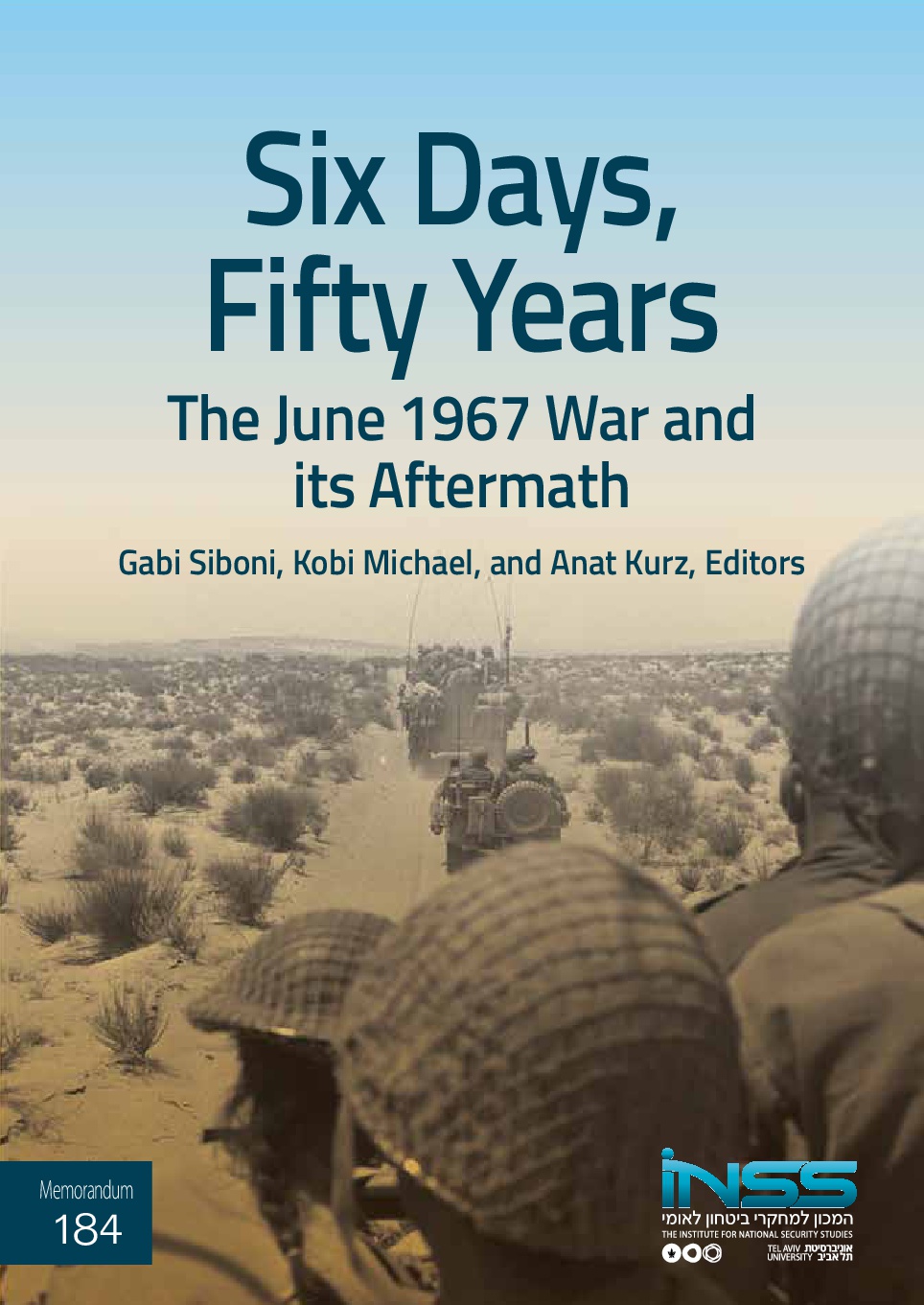
Political Infighting and Its Effect on Deterrence: The Eshkol Government prior to the Six Day War

Tel Aviv: The Institute for National Security Studies, 2018
עברית
Zaki Shalom

In mid-May 1967, massive Egyptian forces began entering the Sinai Peninsula, a blatant violation of the understandings reached under the auspices of the US administration after Operation Kadesh. The core of the understandings was that Sinai was to remain a demilitarized zone, in which UN forces would be stationed in order to separate between Israel and Egypt. President Gamal Abdel Nasser went even further than deploying his army in Sinai and at the same time ordered the UN forces to leave Sinai and Gaza. He claimed that Egypt was free to do as it pleased in these territories since they were under Egyptian sovereignty. UN Secretary U Thant acceded to his demand. Egypt continued to escalate the tension with Israel when it announced the blocking of the Straits of Tiran to Israeli shipping, with the clear knowledge that Israel would view this as a casus belli and with the understanding that the blocking of the straits would put Israel in an untenable economic and strategic situation, since the vast majority of its oil supply arrived from Iran by way of the Straits of Tiran.


The opinions expressed in INSS publications are the authors’ alone.
Publication Series Chapters
TopicsMilitary and Strategic AffairsSocietal Resilience and the Israeli Society
עברית

Events

All events
Iran, US, Israel, and the Global Jewish Community
10 March, 2026
12:00 - 13:00
Shutterstock

Related Publications

All publications
Shutterstock
Principles for an Israeli Strategy to Address the Iranian Nuclear Threat at the End of the War
Although we are currently in the midst of a war and do not yet know how it will end, the US negotiations initiative—which may bring the campaign to an end—requires a clear definition of Israel’s interest regarding the Iranian nuclear project. The conclusion of Operation Roaring Lion will place Israel and the international community before a new strategic reality vis-à-vis Iran. The regime in Tehran, if it survives the war, may—after experiencing systemic trauma and damage to its senior leadership—adopt a national security doctrine that relies on nuclear weapons as its sole existential deterrent capability. Under these circumstances, it is essential to ensure that Iran retains no nuclear capability that could serve as a foundation for a military nuclear program. This paper argues that previous models of “risk management” (such as the JCPOA, the Joint Comprehensive Plan of Action) are no longer relevant. Therefore, Israel must insist on the complete dismantling of Iran’s uranium enrichment infrastructure and relevant technological capabilities as a necessary condition for ending the war, whether by diplomatic or military means.
31/03/26
Shutterstock
From Military Achievement to a Regional Arrangement
To leverage the military success against Iran into a strategic achievement, a mechanism for cooperation with the United States and the moderate Arab states is required
30/03/26
REUTERS/Dawoud Abu Alkas
Between Victory and Decisive Defeat: Evaluating Israel’s Ability to Achieve Its War Objectives Against Hamas
How can victory and decisive defeat be defined – and has Israel achieved them after two years of war in Gaza?
23/11/25

Stay up to date

Registration was successful! Thanks.
  • Research

    • Topics
      • Israel and the Global Powers
      • Israel-United States Relations
      • Glazer Israel-China Policy Center
      • Russia
      • Europe
      • Antisemitism and Delegitimization
      • Iran and the Shi'ite Axis
      • Operation Roaring Lion
      • Iran
      • Lebanon and Hezbollah
      • Syria
      • Yemen and the Houthi Movement
      • Iraq and the Iraqi Shiite Militias
      • Conflict to Agreements
      • Israeli-Palestinian Relations
      • Hamas and the Gaza Strip
      • Peace Agreements and Normalization in the Middle East
      • Saudi Arabia and the Gulf States
      • Turkey
      • Egypt
      • Jordan
      • Israel’s National Security Policy
      • Military and Strategic Affairs
      • Societal Resilience and the Israeli Society
      • Jewish-Arab Relations in Israel
      • Climate, Infrastructure and Energy
      • Terrorism and Low Intensity Conflict
      • Cross-Arena Research
      • Data Analytics Center
      • Law and National Security
      • Advanced Technologies and National Security
      • Foreign Information Manipulation and Interference
      • Economics and National Security
    • Projects
      • Preventing the Slide into a One-State Reality
  • Publications

    • All Publications
    • INSS Insight
    • Policy Papers
    • Special Publication
    • Strategic Assessment
    • Technology Platform
    • Memoranda
    • Database
    • Posts
    • Books
    • Archive
  • About

    • Vision and Mission
    • History
    • Research Disciplines
    • Chairman of the Board
    • Board of Directors
    • Fellowship and Prizes
    • Internships
    • Support
    • Privacy Policy and Terms of Use
  • Media

    • Communications
    • Video Gallery
    • Press Release
    • Podcast
  • Home

  • Events

  • Database

  • Team

  • Contact

  • Newsletter

  • עברית

INSS logo The Institute for National Security Studies, Strategic, Innovative, Policy-Oriented Research, go to the home page
40 Haim Levanon St. Tel Aviv, 6997556 Israel | Tel: 03-640-0400 | Fax: 03-744-7590 | Email: info@inss.org.il
Developed by Daat ,Yael Group.
Accessibility Statement
This site is protected by reCAPTCHA and the Google Privacy Policy and Terms of Service apply.