Unmanned Aerial Vehicles in Asymmetric Warfare: Maintaining the Advantage of the State Actor | INSS
go to header go to content go to footer go to search
INSS logo The Institute for National Security Studies, Strategic, Innovative, Policy-Oriented Research, go to the home page
INSS
Tel Aviv University logo - beyond an external website, opens on a new page
  • Campus
  • Contact
  • עברית
  • Support Us
  • Research
    • Topics
      • Israel and the Global Powers
        • Israel-United States Relations
        • Glazer Israel-China Policy Center
        • Russia
        • Europe
        • Antisemitism and Delegitimization
      • Iran and the Shi'ite Axis
        • Operation Roaring Lion
        • Iran
        • Lebanon and Hezbollah
        • Syria
        • Yemen and the Houthi Movement
        • Iraq and the Iraqi Shiite Militias
      • Conflict to Agreements
        • Israeli-Palestinian Relations
        • Hamas and the Gaza Strip
        • Peace Agreements and Normalization in the Middle East
        • Saudi Arabia and the Gulf States
        • Turkey
        • Egypt
        • Jordan
      • Israel’s National Security Policy
        • Military and Strategic Affairs
        • Societal Resilience and the Israeli Society
        • Jewish-Arab Relations in Israel
        • Climate, Infrastructure and Energy
        • Terrorism and Low Intensity Conflict
      • Cross-Arena Research
        • Data Analytics Center
        • Law and National Security
        • Advanced Technologies and National Security
        • Foreign Information Manipulation and Interference
        • Economics and National Security
    • Projects
      • Preventing the Slide into a One-State Reality
      • India-Middle East-Europe Economic Corridor (IMEC)
  • Publications
    • -
      • All Publications
      • INSS Insight
      • Policy Papers
      • Special Publication
      • Strategic Assessment
      • Technology Platform
      • Memoranda
      • Posts
      • Books
      • Archive
  • Database
    • Surveys
    • Spotlight
    • Maps
    • Dashboards
  • Events
  • Team
  • About
    • Vision and Mission
    • History
    • Research Disciplines
    • Chairman of the Board
    • Board of Directors
    • Fellowship and Prizes
    • Internships
  • Media
    • Communications
    • Video gallery
    • Press Releases
  • Podcast
  • Newsletter
  • Campus
Search in site
  • Research
    • Topics
    • Israel and the Global Powers
    • Israel-United States Relations
    • Glazer Israel-China Policy Center
    • Russia
    • Europe
    • Antisemitism and Delegitimization
    • Iran and the Shi'ite Axis
    • Operation Roaring Lion
    • Iran
    • Lebanon and Hezbollah
    • Syria
    • Yemen and the Houthi Movement
    • Iraq and the Iraqi Shiite Militias
    • Conflict to Agreements
    • Israeli-Palestinian Relations
    • Hamas and the Gaza Strip
    • Peace Agreements and Normalization in the Middle East
    • Saudi Arabia and the Gulf States
    • Turkey
    • Egypt
    • Jordan
    • Israel’s National Security Policy
    • Military and Strategic Affairs
    • Societal Resilience and the Israeli Society
    • Jewish-Arab Relations in Israel
    • Climate, Infrastructure and Energy
    • Terrorism and Low Intensity Conflict
    • Cross-Arena Research
    • Data Analytics Center
    • Law and National Security
    • Advanced Technologies and National Security
    • Foreign Information Manipulation and Interference
    • Economics and National Security
    • Projects
    • Preventing the Slide into a One-State Reality
    • India-Middle East-Europe Economic Corridor (IMEC)
  • Publications
    • All Publications
    • INSS Insight
    • Policy Papers
    • Special Publication
    • Strategic Assessment
    • Technology Platform
    • Memoranda
    • Posts
    • Books
    • Archive
  • Database
    • Surveys
    • Spotlight
    • Maps
    • Dashboards
  • Events
  • Team
  • About
    • Vision and Mission
    • History
    • Research Disciplines
    • Chairman of the Board
    • Board of Directors
    • Fellowship and Prizes
    • Internships
    • Privacy Policy and Terms of Use
  • Media
    • Communications
    • Video gallery
    • Press Releases
  • Podcast
  • Newsletter
  • Campus
  • Contact
  • עברית
  • Support Us
bool(false)

Publications

Home Publications Chapters Unmanned Aerial Vehicles in Asymmetric Warfare: Maintaining the Advantage of the State Actor

Unmanned Aerial Vehicles in Asymmetric Warfare: Maintaining the Advantage of the State Actor

Memorandum No. 167, Tel Aviv: Institute for National Security Studies, July 2017

Liran Antebi
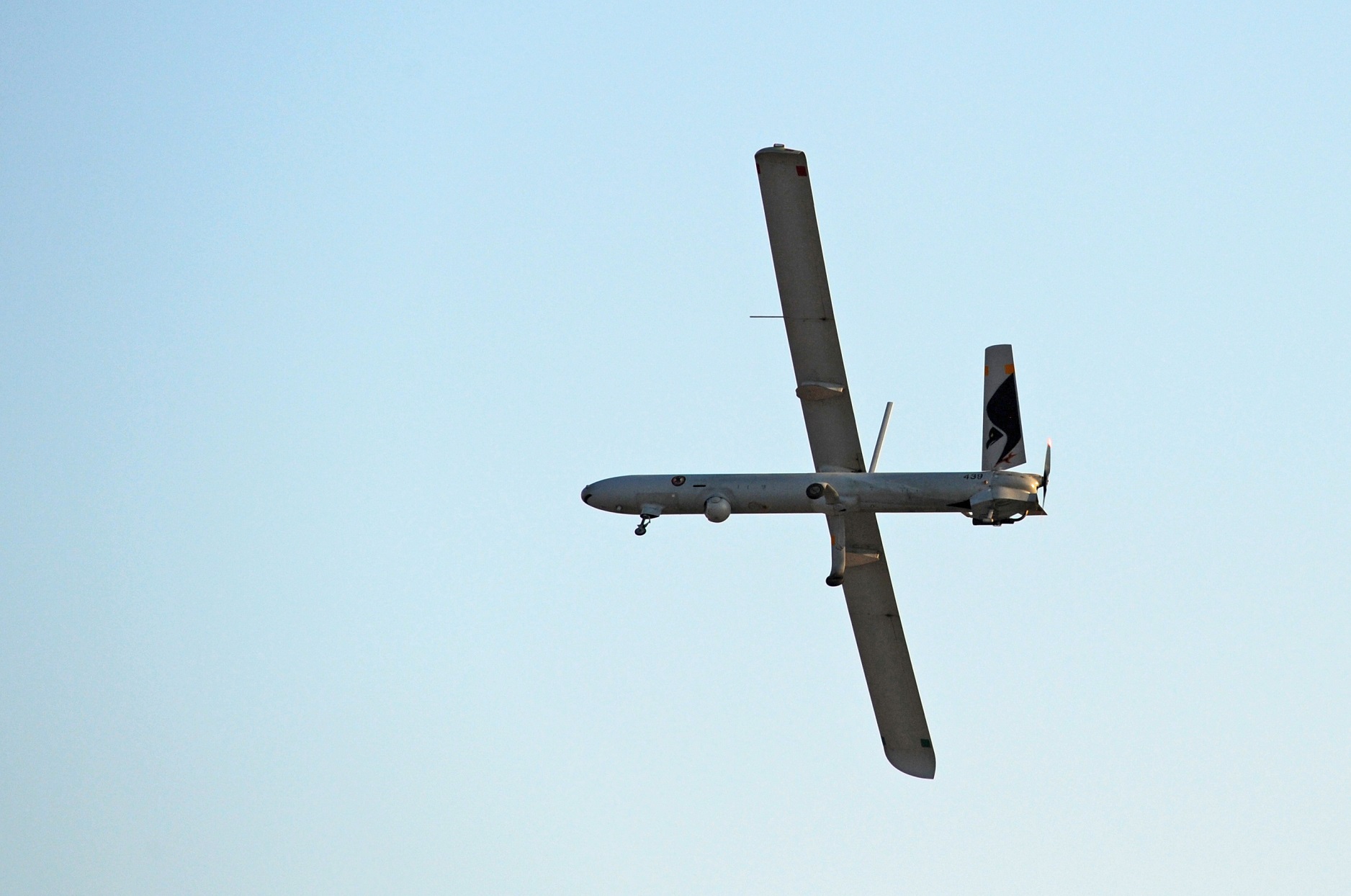
photo: NPA/Milner Moshe

The 2006 Second Lebanon War represents a turning point in the use of Unmanned Aerial Vehicles (UAVs).1 This was the first war in history that recorded more unmanned flight hours than manned fighter aircraft flight hours, and that featured sustained UAV use without breaks in situational awareness. Since that war, Israel has continued to develop and absorb additional UAVs, and has used them extensively in operations over the last decade. At the same time, Hezbollah too – which failed in its few attempts to attack Israel with explosives-laden UAVs during the Second Lebanon War – has expanded its UAV fleet in the past ten years. This article will survey the processes that have taken place in the field of UAVs over the decade since the Second Lebanon War, and recommend particular preparations in this regard for a future potential war pitting Israel against Hezbollah. The main question at hand is whether in a future campaign Israel will retain the UAV advantage over Hezbollah that it enjoyed in 2006.


The opinions expressed in INSS publications are the authors’ alone.
Publication Series Chapters
TopicsLebanon and HezbollahLebanon War IIMilitary and Strategic Affairs

Events

All events
Iran, US, Israel, and the Global Jewish Community
10 March, 2026
12:00 - 13:00
Shutterstock

Related Publications

All publications
Interactive Live Map: Lebanon Following Operation Roaring Lion (Epic Fury)
The interactive map herein provides a situational overview of the Lebanese arena during Operation Roaring Lion (Epic Fury) and following the ceasefire agreement that came into effect on April 16, 2026. The map displays the Israeli security zone, IDF strikes in the vicinity, as well as IDF outposts and UN bases. The map is updated continuously with the highest possible precision, based on open-source intelligence (OSINT) and media reports.
05/05/26
Hezbollah’s Global Financial Network as a Target in the War Against the Organization
How can Hezbollah’s financial resilience—based on a complex and sprawling global system that enables it to withstand IDF infrastructure strikes in Lebanon—be undermined?
03/05/26
Marwan Naamani/dpa via Reuters Connect
The Long Road to Disarming Hezbollah—A DDR Model for Lebanon
Assuming that Operation Roaring Lion does not end in the complete defeat of Hezbollah, the issue of disarming Hezbollah will remain on the agenda at its conclusion—an interest shared by both Israel and the Lebanese state. This article proposes adopting the DDR model—Disarmament, Demobilization, and Reintegration—and advancing an L(ebanon)DDR process as an orderly framework for disarming Hezbollah and integrating it into Lebanon, alongside repairing, rebuilding, and strengthening the Lebanese state. This framework offers an alternative to disarming Hezbollah through military force, which would require Israel to occupy all of Lebanon. Although it is clear that Hezbollah will not relinquish its weapons easily, the current circumstances present an opportunity to force this outcome through combined Lebanese–Israeli, regional, and international efforts. These circumstances include the willingness of Israel and Lebanon to enter into direct political negotiations; the military weakening of Hezbollah (and Iran) following the war; the IDF’s presence in southern Lebanon; and the growing support within Lebanon for disarming Hezbollah. On April 9, Israel agreed to President Aoun’s proposal to open direct negotiations with Lebanon to promote a peace arrangement and disarm Hezbollah. This objective is the central challenge on the path to an agreement between the two states, which would establish the Lebanese government’s monopoly over the use of military force. Experience from DDR processes suggests that this model can help, as it offers a long-term, supervised, and gradual process that combines disarmament with civil, social, and economic rehabilitation, alongside international support and reciprocal incentives for all parties involved.
15/04/26

Stay up to date

Registration was successful! Thanks.
  • Research

    • Topics
      • Israel and the Global Powers
      • Israel-United States Relations
      • Glazer Israel-China Policy Center
      • Russia
      • Europe
      • Antisemitism and Delegitimization
      • Iran and the Shi'ite Axis
      • Operation Roaring Lion
      • Iran
      • Lebanon and Hezbollah
      • Syria
      • Yemen and the Houthi Movement
      • Iraq and the Iraqi Shiite Militias
      • Conflict to Agreements
      • Israeli-Palestinian Relations
      • Hamas and the Gaza Strip
      • Peace Agreements and Normalization in the Middle East
      • Saudi Arabia and the Gulf States
      • Turkey
      • Egypt
      • Jordan
      • Israel’s National Security Policy
      • Military and Strategic Affairs
      • Societal Resilience and the Israeli Society
      • Jewish-Arab Relations in Israel
      • Climate, Infrastructure and Energy
      • Terrorism and Low Intensity Conflict
      • Cross-Arena Research
      • Data Analytics Center
      • Law and National Security
      • Advanced Technologies and National Security
      • Foreign Information Manipulation and Interference
      • Economics and National Security
    • Projects
      • Preventing the Slide into a One-State Reality
      • India-Middle East-Europe Economic Corridor (IMEC)
  • Publications

    • All Publications
    • INSS Insight
    • Policy Papers
    • Special Publication
    • Strategic Assessment
    • Technology Platform
    • Memoranda
    • Database
    • Posts
    • Books
    • Archive
  • About

    • Vision and Mission
    • History
    • Research Disciplines
    • Chairman of the Board
    • Board of Directors
    • Fellowship and Prizes
    • Internships
    • Support
    • Privacy Policy and Terms of Use
  • Media

    • Communications
    • Video Gallery
    • Press Release
    • Podcast
  • Home

  • Events

  • Database

  • Team

  • Contact

  • Newsletter

  • עברית

INSS logo The Institute for National Security Studies, Strategic, Innovative, Policy-Oriented Research, go to the home page
40 Haim Levanon St. Tel Aviv, 6997556 Israel | Tel: 03-640-0400 | Fax: 03-744-7590 | Email: info@inss.org.il
Developed by Daat ,Yael Group.
Accessibility Statement
This site is protected by reCAPTCHA and the Google Privacy Policy and Terms of Service apply.