The Tents at Har Dov as a Strategic Opportunity | INSS
go to header go to content go to footer go to search
INSS logo The Institute for National Security Studies, Strategic, Innovative, Policy-Oriented Research, go to the home page
INSS
Tel Aviv University logo - beyond an external website, opens on a new page
  • Campus
  • Contact
  • עברית
  • Support Us
  • Research
    • Topics
      • Israel and the Global Powers
        • Israel-United States Relations
        • Glazer Israel-China Policy Center
        • Russia
        • Europe
        • Antisemitism and Delegitimization
      • Iran and the Shi'ite Axis
        • Operation Roaring Lion
        • Iran
        • Lebanon and Hezbollah
        • Syria
        • Yemen and the Houthi Movement
        • Iraq and the Iraqi Shiite Militias
      • Conflict to Agreements
        • Israeli-Palestinian Relations
        • Hamas and the Gaza Strip
        • Peace Agreements and Normalization in the Middle East
        • Saudi Arabia and the Gulf States
        • Turkey
        • Egypt
        • Jordan
      • Israel’s National Security Policy
        • Military and Strategic Affairs
        • Societal Resilience and the Israeli Society
        • Jewish-Arab Relations in Israel
        • Climate, Infrastructure and Energy
        • Terrorism and Low Intensity Conflict
      • Cross-Arena Research
        • Data Analytics Center
        • Law and National Security
        • Advanced Technologies and National Security
        • Foreign Information Manipulation and Interference
        • Economics and National Security
    • Projects
      • Preventing the Slide into a One-State Reality
  • Publications
    • -
      • All Publications
      • INSS Insight
      • Policy Papers
      • Special Publication
      • Strategic Assessment
      • Technology Platform
      • Memoranda
      • Posts
      • Books
      • Archive
  • Database
    • Surveys
    • Spotlight
    • Maps
    • Dashboards
  • Events
  • Team
  • About
    • Vision and Mission
    • History
    • Research Disciplines
    • Chairman of the Board
    • Board of Directors
    • Fellowship and Prizes
    • Internships
  • Media
    • Communications
    • Video gallery
    • Press Releases
  • Podcast
  • Newsletter
  • Campus
Search in site
  • Research
    • Topics
    • Israel and the Global Powers
    • Israel-United States Relations
    • Glazer Israel-China Policy Center
    • Russia
    • Europe
    • Antisemitism and Delegitimization
    • Iran and the Shi'ite Axis
    • Operation Roaring Lion
    • Iran
    • Lebanon and Hezbollah
    • Syria
    • Yemen and the Houthi Movement
    • Iraq and the Iraqi Shiite Militias
    • Conflict to Agreements
    • Israeli-Palestinian Relations
    • Hamas and the Gaza Strip
    • Peace Agreements and Normalization in the Middle East
    • Saudi Arabia and the Gulf States
    • Turkey
    • Egypt
    • Jordan
    • Israel’s National Security Policy
    • Military and Strategic Affairs
    • Societal Resilience and the Israeli Society
    • Jewish-Arab Relations in Israel
    • Climate, Infrastructure and Energy
    • Terrorism and Low Intensity Conflict
    • Cross-Arena Research
    • Data Analytics Center
    • Law and National Security
    • Advanced Technologies and National Security
    • Foreign Information Manipulation and Interference
    • Economics and National Security
    • Projects
    • Preventing the Slide into a One-State Reality
  • Publications
    • All Publications
    • INSS Insight
    • Policy Papers
    • Special Publication
    • Strategic Assessment
    • Technology Platform
    • Memoranda
    • Posts
    • Books
    • Archive
  • Database
    • Surveys
    • Spotlight
    • Maps
    • Dashboards
  • Events
  • Team
  • About
    • Vision and Mission
    • History
    • Research Disciplines
    • Chairman of the Board
    • Board of Directors
    • Fellowship and Prizes
    • Internships
    • Privacy Policy and Terms of Use
  • Media
    • Communications
    • Video gallery
    • Press Releases
  • Podcast
  • Newsletter
  • Campus
  • Contact
  • עברית
  • Support Us
bool(false)

Publications

Home Publications Policy Papers The Tents at Har Dov as a Strategic Opportunity

The Tents at Har Dov as a Strategic Opportunity

Policy Paper, July 2, 2023

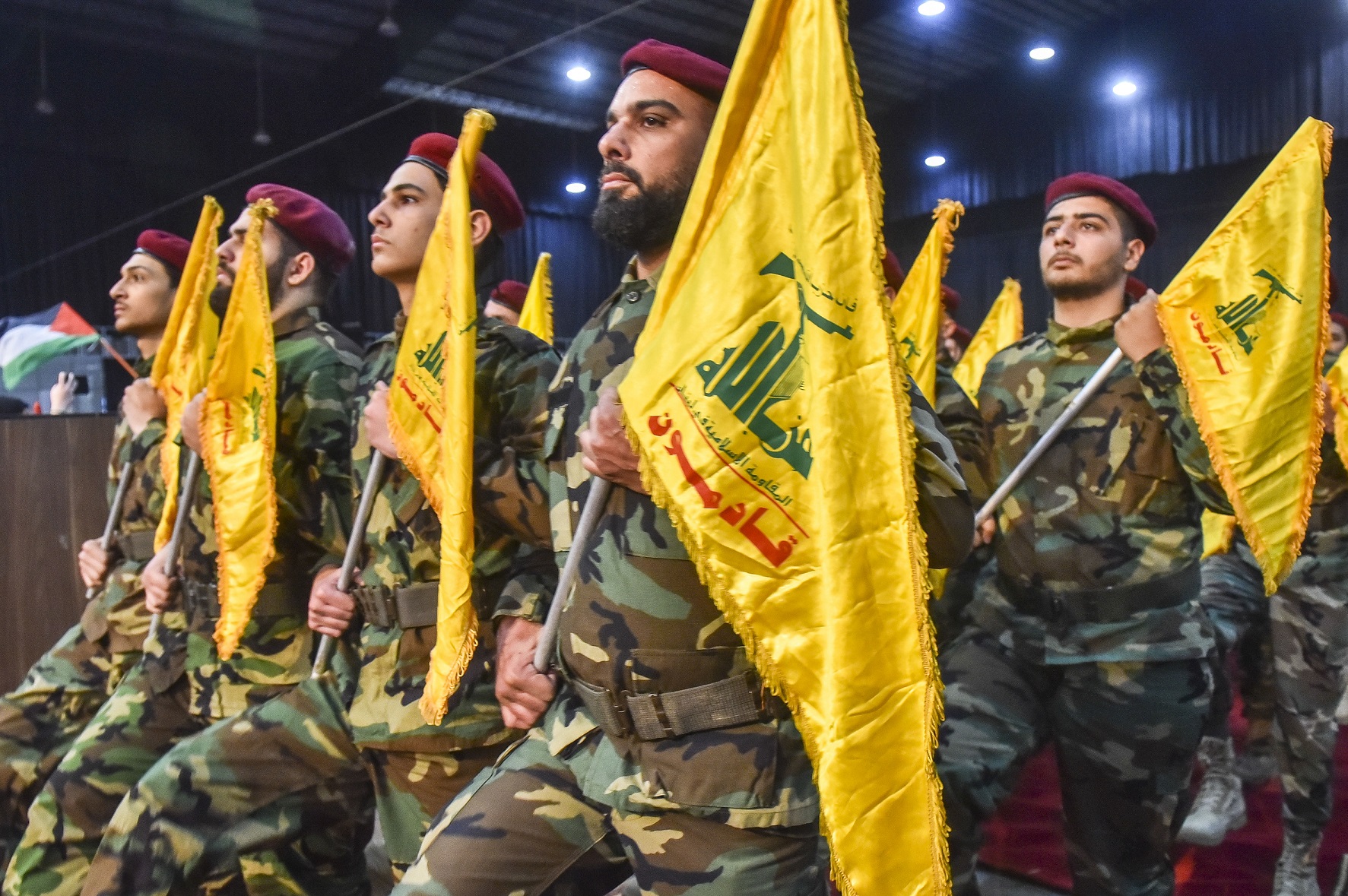
Israel must use every possible means to remove the Hezbollah tents at Har Dov. The political process should be fully exhausted, but limited in time. If it fails, Israel should take action to remove the tents, even at the price of risking a deterioration into a limited conflict on the ground. 


Background

In the middle of June 2023, following a leak from a discussion at the Foreign Affairs and Defense Committee, the Israeli media reported that two tents manned by Hezbollah personnel were situated close to Mt. Dov. The tents were positioned on the Israeli side of the Blue Line (demarcated by the UN in 2000 as the border line between Israel and Lebanon and adopted by Israel), that is, within the sovereign territory of the State of Israel. For its part, Hezbollah disputes this picture: it does not recognize the Blue Line and claims that this area is part of Lebanon (even though in 1967 it was captured from Syria). The erection of the tents did not go unnoticed by the IDF, but Israel decided in the first stage not to take action to remove the tents by force, but rather to use diplomatic channels. In this framework, an appeal was made to the UN and the United States to convey messages to the Lebanese side to take action itself to remove the tents.

Significance

Hezbollah’s erection of the tents and its determination not to remove them reflect a recent rise in the organization’s confidence and is increased boldness vis-à-vis Israel, along with a willingness to take risks. Incidents from the last few months reflect this clearly: Hezbollah's ultimatum on the issue of the Karish gas field, the terrorist attack at Megiddo Junction by a Palestinian attacker who infiltrated from the northern border (March 13), and the rocket fire from Lebanon (April 6), which while carried out by Palestinian elements, was likely prepared and used an infrastructure with Hezbollah's knowledge. At the same time, an increase has been evident in the presence of Hezbollah operatives and their willingness to create friction with the IDF along the border.

Hezbollah's Motivations

It seems that Hezbollah is spurred by its mistaken understanding that the internal difficulties in Israel since the establishment of the current government reflect weakness, and that Israel does not have an interest at the current time in conducting a campaign against it. In our understanding, Hezbollah is also not interested in a large-scale military campaign but interprets the developments as an opportunity for it to improve the balance of deterrence against the IDF and to expand its presence in southern Lebanon and its grip on the border. Hezbollah is relying on an Israeli interest in containing the incidents and preventing a large-scale deterioration, and therefore is not concerned about friction. Even if the erection of the tents began as a mistake on the part of operatives on the ground who were not aware of the location of the Blue Line (i.e., the border), their continued presence and the expansion from one tent to two help Hezbollah to improve its standing as the "defender of Lebanon" vis-à-vis the Lebanese public and demonstrate its importance for Iran and its central role as part of the "axis of resistance" against Israel.

Conclusion

We are in a process of the erosion of Israeli deterrence toward Hezbollah. The organization acts more boldly and blatantly than in the past. The ongoing process of Hezbollah's force buildup and the perception that IDF activity deliberately avoids friction with the organization have led to a serious strategic situation, a state of overconfidence that could lead to escalation. Whether Hezbollah is acting out of desperation given the difficult situation in Lebanon and seeks to justify its existence, or whether it is acting out of hubris and arrogant audacity, the trend is dangerous, and it must be stopped.

Recommendations

  1. From Israel's perspective, in the current circumstances, it is very important not to play into Hezbollah's hands. Israel must use every possible means to remove the Hezbollah tents at Har Dov, and for two main reasons. On the ground, Israel must stop Hezbollah's efforts to expand its presence next to the border. Hezbollah is trying gradually to create a new reality, while penetrating into Israel's sovereign territory – a situation that Israel cannot accept. On the strategic level, Israel must demonstrate force and determination in order to improve the balance of deterrence versus Hezbollah in Israel's favor, after it has eroded recently.
  2. Israel acted correctly in first turning to diplomatic channels to expose Hezbollah’s actions, which blatantly and consistently violate Security Council Resolution 1701. Israel should fully exhaust the diplomatic process but place a time limit on it; earn international recognition and support for its position and its demands to dismantle the tents, which were erected in its territory; and establish legitimacy for the possibility of Israeli action to remove the tents.
  3. Assuming that after the exposure of the incident the chances of a successful diplomatic process are slim, Israel should take action to remove the tents, even at the price of deterioration into a limited conflict on the ground. The method of removal and operational means should combine deception on one hand but also determination and demonstration of power that exceeds Hezbollah's expectations.
The opinions expressed in INSS publications are the authors’ alone.
Publication Series Policy Papers
TopicsLebanon and Hezbollah

Events

All events
Iran, US, Israel, and the Global Jewish Community
10 March, 2026
12:00 - 13:00
Shutterstock

Related Publications

All publications
Stringer/dpa via Reuters Connect
“The Roaring Lion”—Hezbollah’s War for Survival
Why did the weakened organization decide to open a front against Israel following its strike in Iran, how does this campaign differ from previous campaigns in the north, and how should Israel respond?
24/03/26
REUTERS
The Lebanese Army—The Challenge for Israel Given the Gap Between Vision and Reality
The Lebanese Army is the weak link on the path to realizing the vision of Lebanon’s new leadership, which seeks to repair and rehabilitate the state. A central aspect of implementing this vision is the collection of all weapons held by the militias, primarily Hezbollah, and their transfer to the Lebanese Army. This goal aligns with Israel’s interest in seeing Lebanon become a sovereign and functioning state, with a responsible central authority, whom Israel can address, that holds a monopoly on weapons through a strong army representing all elements loyal to the state. Hence, Israel and Lebanon share a common interest in strengthening the Lebanese Army so that it can implement government decisions while taking advantage of the growing weakness of both Hezbollah and Iran after the end of Operation Roaring Lion. The significant gap between the vision of Lebanon’s leadership, as reflected in its decisions against Hezbollah thus far, and its inability to realize that vision constitutes a challenge for Israel. This document presents the failures in the functioning of the Lebanese Army and concludes with recommendations for Israeli policy considering the current campaign, even though this document was written during the war and there is no certainty as to how it will end. Its importance also stems from the need to prepare for the international conference in Paris, which will focus on strengthening the Lebanese Army and whose date has been postponed until early April.  
15/03/26
Ammar Awad/REUTERS
The Campaign in Lebanon in the Eyes of the Israeli Public
A comprehensive analysis of public perceptions of security and trust in light of developments in the northern arena since October 7, 2023
23/12/25

Stay up to date

Registration was successful! Thanks.
  • Research

    • Topics
      • Israel and the Global Powers
      • Israel-United States Relations
      • Glazer Israel-China Policy Center
      • Russia
      • Europe
      • Antisemitism and Delegitimization
      • Iran and the Shi'ite Axis
      • Operation Roaring Lion
      • Iran
      • Lebanon and Hezbollah
      • Syria
      • Yemen and the Houthi Movement
      • Iraq and the Iraqi Shiite Militias
      • Conflict to Agreements
      • Israeli-Palestinian Relations
      • Hamas and the Gaza Strip
      • Peace Agreements and Normalization in the Middle East
      • Saudi Arabia and the Gulf States
      • Turkey
      • Egypt
      • Jordan
      • Israel’s National Security Policy
      • Military and Strategic Affairs
      • Societal Resilience and the Israeli Society
      • Jewish-Arab Relations in Israel
      • Climate, Infrastructure and Energy
      • Terrorism and Low Intensity Conflict
      • Cross-Arena Research
      • Data Analytics Center
      • Law and National Security
      • Advanced Technologies and National Security
      • Foreign Information Manipulation and Interference
      • Economics and National Security
    • Projects
      • Preventing the Slide into a One-State Reality
  • Publications

    • All Publications
    • INSS Insight
    • Policy Papers
    • Special Publication
    • Strategic Assessment
    • Technology Platform
    • Memoranda
    • Database
    • Posts
    • Books
    • Archive
  • About

    • Vision and Mission
    • History
    • Research Disciplines
    • Chairman of the Board
    • Board of Directors
    • Fellowship and Prizes
    • Internships
    • Support
    • Privacy Policy and Terms of Use
  • Media

    • Communications
    • Video Gallery
    • Press Release
    • Podcast
  • Home

  • Events

  • Database

  • Team

  • Contact

  • Newsletter

  • עברית

INSS logo The Institute for National Security Studies, Strategic, Innovative, Policy-Oriented Research, go to the home page
40 Haim Levanon St. Tel Aviv, 6997556 Israel | Tel: 03-640-0400 | Fax: 03-744-7590 | Email: info@inss.org.il
Developed by Daat ,Yael Group.
Accessibility Statement
This site is protected by reCAPTCHA and the Google Privacy Policy and Terms of Service apply.