



CV
Dr. Avishay Ben Sasson-Gordis is a Ruderman Family Foundation Scholar in Residence and a Senior Researcher at the Institute for National Security Studies (INSS) at Tel Aviv University, where he heads the Israel-United States Research Field. He works on the implications of domestic American politics, and US policy more broadly on Israeli national security. Avishay is a Liberalism Rekindled postdoctoral fellow at the Hebrew University of Jerusalem. His academic work focuses on the democratic backsliding and the political theory of the military. He is a frequent commentator on Israeli current affairs in international and Israeli media, and his commentary has appeared in Foreign Affairs, Haaretz, and World Politics Review.
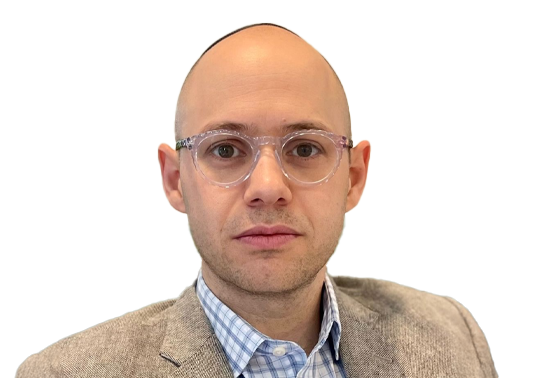
Avishay Ben Sasson-Gordis
Ruderman Family Foundation Scholar in Residence
Publications
All PublicationsTrump’s Decisive Juncture in the Campaign Against Iran and the Implications for Israel
A protracted war or a freeze in the campaign: What options are available to the US president in the Iranian arena, what might influence his decision—and how should Israel prepare?
5 March, 2026Interactive Map: Operation Epic Fury (Lion's Roar)
This interactive map highlights the deployment of U.S. military assets and other relevant actors in the region. The current U.S. posture signals deterrence and readiness for offensive military operations, while reflecting a strong preference to avoid a protracted conflict. Combined with intensified ISR activity and diplomatic signaling, this configuration supports coercive diplomacy but also increases the risk of escalation through miscalculation in an already volatile theater. The map is updated regularly and as accurately as possible, based on open-source intelligence assessments and media reporting.
11 February, 2026Reducing US Military Aid to Israel: Economic Feasibility Versus Strategic Cost
What are the implications of a change in the framework of direct US aid to Israel?
11 February, 2026Strategic Assessment: Scenarios for US Intervention in the Unrest in Iran and Possible Iranian Responses
The options available to the US administration in dealing with Tehran, Iran’s possible responses to these measures—and the implications for Israel
19 January, 2026The Battle Over Israel Within the Republican Party
Israel must prepare for a reality where support is a controversial issue in both parties in Congress
18 December, 2025Where Did We Go Wrong?
Israeli public discourse following October 7 has focused on the false “conceptions” that blinded us to the possibility that reality could develop as it did. The surprise caused to Israel by Hamas’ attack deeply undermined Israelis’ confidence in security professionals and, one would hope, those professionals’ confidence in themselves. More broadly, this should lead members of the security community to ask fundamental questions about their understanding of the world around us. Two of these questions are: “Where did I go wrong?” and “In which cases have I changed my mind?”
Recently, but before Operation Rising Lion, we held a discussion on a social media network that addressed the question “What were you mistaken about in the past two years?” The discussion’s participants, many of whom have relevant military or civilian research backgrounds, provided meaningful answers that could help us clarify the changes that have occurred in the way we perceive reality. This article touches on the key points of that discussion
2025-08-07 All magazine articles
Media
All media Trump’s war is hell
11 March, 2026
Israel’s gamble in Iran
3 March, 2026
Israel Assumes Broad New Powers in the West Bank
10 February, 2026